
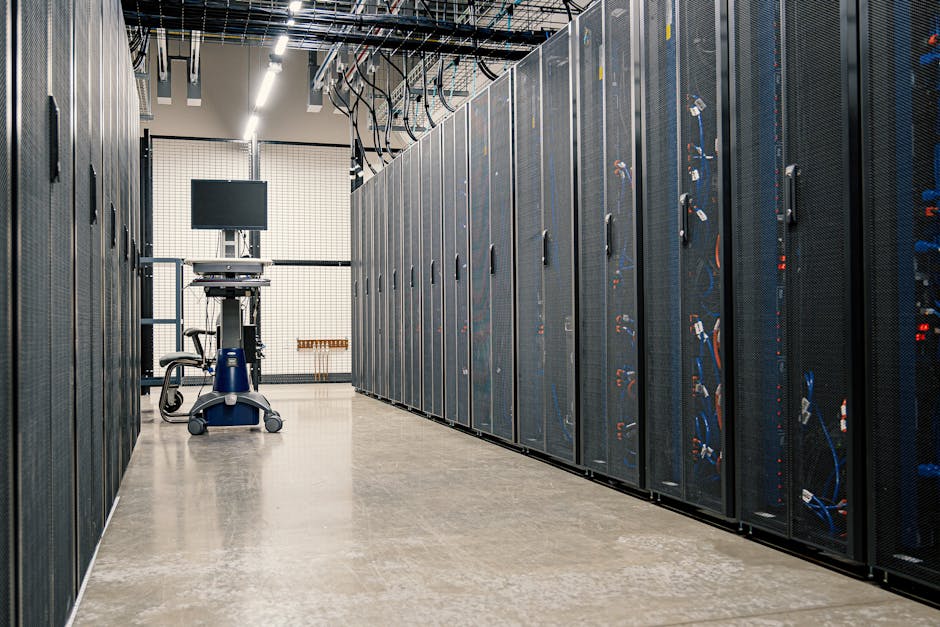
In all but one of 41 ballot measures during the 2026 midterm elections, voters rejected or appeared set to reject data-center development, according to Data Centers on the Ballot, an election-monitoring project run by Redbud Consulting. Two races were still being counted, but both were expected to show majorities against data centers or in favor of limits. Harwood, North Dakota, went the other way: about 75 percent opposed a measure requiring independent reviews and public hearings for large industrial projects.
“People deserve a say in projects of this scope,” Amanda Swartz told Fortune. Residents learned about the Harwood data-center construction about three weeks before work began in September 2025, she said. Applied Digital Corp. oversaw the project, with Oracle as the end-user. Construction began on 160 acres and could expand to 900 acres.
Who Gets a Say
Michael Swartz, a senior software developer who has lived in Harwood for nearly 20 years, championed the ballot measure and led a year-long campaign against continued construction. He said local authorities had hampered efforts to advance the initiative. After a city council meeting where he said he couldn’t speak, he contacted residents and formed the grassroots advocacy group Voices of Harwood.
By January, the group had drafted a Home Rule Charter amendment, which members considered stronger than an ordinance city council members could change. In August, a petition gathered 91 signatures in three days—more than twice the required 40. The amendment would have set requirements for how the town evaluated, approved and administered development and building projects, including independent reviews and public hearings for industrial projects.
The measure lost. About 325 of the 430 votes cast Tuesday opposed it. Swartz said the ballot wording differed significantly from the version Voices of Harwood presented to the election committee, making the initiative harder to understand. “Had I not been involved with it, and had I not done my due diligence as a voter and read what Measure 2 was about, and I only was basing my decision on that summary, there’s no way I would have voted yes,” he told Fortune.
The Fargo Forum reported that then-Fargo Mayor Tim Mahoney and Harwood Mayor Blake Hankey signed nondisclosure agreements with Applied Digital Corp. in July. Nick Phillips, Applied Digital’s executive vice president of external affairs, said the company chose Harwood for its cooler climate, access to energy, and “pro-business landscape.” He said the company held legally required and company-led community events, town halls, one-on-one meetings and public forums.
The Cost of the Buildout
A September poll found that 70 percent of Democrats and 57 percent of Republicans supported limiting new data-center construction in the United States. Experts linked voter concern to cost-of-living pressures and job stability. As of April, the Pew Research Center estimated that the country had 3,000 data centers, with more than 1,500 others in progress, as artificial intelligence helped drive construction.
Data centers consume large amounts of water and energy, and critics say that demand can push up electricity costs for nearby communities. A 2026 working paper from the Federal Reserve Bank of Dallas estimated that data centers had raised wholesale electricity prices by 6.9 percent as of last year. James Mercer, founder of Metro Colo Advisory, said voters object to a facility that needs as much power as a small city when they suspect their own bills will cover it.
In Harwood, the project could generate $1.65 million in taxes by 2028, Mayor Hankey said. Town officials opposed the measure, warning it would add administrative burdens and could require public votes on every town issue. City Councilman Chris Higgins and other officials feared Applied Digital Corp. could de-annex the project, costing the town tax benefits. A North Dakota tax incentive would exempt the company from the state’s 5 percent sales tax on computers, cooling systems and servers.
Swartz said affordability helped defeat the measure. “There’s people out there that are probably living paycheck-to-paycheck. They can’t afford to have more special assessments levied out on that monthly house payment. That would break them,” he told Fortune. The chamber distributed materials opposing the proposal, claiming passage would cost taxpayers an additional $300,000 to $544,000 and increase annual taxes by thousands of dollars through lost projects. Cale Dunwoody, vice president for public policy for the chamber, said it gave voters accurate information.
Ballots, Oversight and Investor Nerves
Candidates took data-center expansion and AI regulation to the campaign trail. Democrat Sherrod Brown flipped a key Senate seat in Ohio, which accounted for the largest share of data-center ballot initiatives. Ohio had 21 votes on data centers, out of 47 referendums and measures across the country in 2026. Brown attacked Republican incumbent Jon Husted over his support for development.
In Texas, Democrat Gina Hinojosa called for a moratorium on new data-center approvals until stronger protections for local communities were in place, and defeated incumbent Greg Abbott in the governor’s race. Senator-elect James Talarico also flipped a Republican-held seat after pledging to increase regulation. In Corpus Christi, where a reservoir fell to 8 percent of total capacity earlier in the year, Talarico proposed closed-loop water systems and called for operators to fund local infrastructure improvements. He won the city by a 12-percentage-point margin. Democrat Abdul El-Sayed called for a federal agency to oversee AI and defeated his Republican opponent with more than 52 percent of the vote.
Democrats are poised to control both chambers of Congress, and lawmakers are expected to use oversight committees to investigate AI malfeasance after the 120th Congress is sworn in on January 3. Senator Ed Markey pledged new probes, while Yassamin Ansari posted support for a pause on advanced AI development, regulation and a ban on artificial superintelligence. Those promises rely on oversight through the same institutions now weighing the industry’s power.
OpenAI answered voter concerns with a framework pledging to prioritize closed-loop or low-water cooling and “pay our own way on energy and infrastructure.” Days before the election, the company also sought to rebrand its data centers as “compute campuses.” Investors anticipated tighter oversight: Nvidia lost $450bn in market value in one trading day on Thursday, while data-center operator CoreWeave fell that day. The ballot fights may change who gets to approve a project. In Harwood, residents still lost the vote.
- data centers
- artificial intelligence
- 2026 midterm elections
- data-center ballot measures
- electricity costs
- ohio
- texas
- ai regulation