
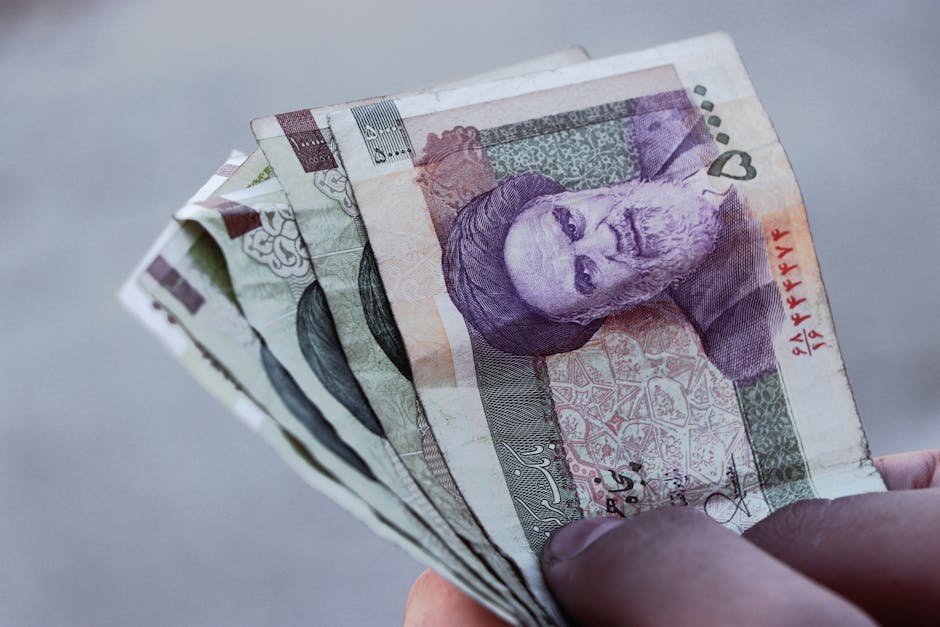
The United States has authorized the Islamic Republic to produce, deliver and sell crude oil for the next 60 days, a temporary license that also allows the United States to import Iranian crude oil and petroleum products until August 21, 2026. The Treasury Department announced the move on Monday, while transactions involving North Korea, Cuba and Russian-occupied Ukraine remain under sanctions, a reminder that the global system of permissions and punishments still runs through state desks, not people.
A Temporary License, a Permanent System
Treasury Secretary Scott Bessent said on X/Twitter, “In line with the ongoing productive talks in Switzerland, Iran has committed to free and open transit in the Strait of Hormuz and to permit International Atomic Energy Agency (IAEA) inspectors into their country.” He added, “As part of the framework, the treasury has issued a temporary 60-day general license authorizing the production, delivery, and sale of Iranian oil.”
The language is bureaucratic, but the structure is plain enough: states bargain over shipping lanes, inspectors, and oil flows while ordinary people absorb the consequences. The authorization is temporary, conditional, and tied to talks in Switzerland, where the machinery of diplomacy keeps humming while the region’s populations remain subject to decisions made elsewhere.
The Jerusalem Post described the authorization as a “cold cost-benefit calculation” by Washington. Shahar Golomb, a lecturer in economics and finance at the Afeka Academic College of Engineering, told The Jerusalem Post that it was too early to assess the full implications of the two-month reprieve but said, “there is a real risk that the Iranian regime will use part of these funds to rebuild or strengthen its military and regional capabilities.” He also said, “The US administration appears to have made a cold cost-benefit calculation: allowing a temporary reprieve may be less costly than prolonging a conflict that could destabilize energy markets, push oil prices sharply higher, and create broader risks for the global economy.” Golomb added, “In other words, this is not necessarily a vote of confidence in Iran, but rather a pragmatic attempt to reduce the immediate economic and geopolitical damage.”
Markets React, People Absorb the Shock
The impact was almost immediate in the global market as oil prices fell on Tuesday. Brent crude futures were down 44 cents, or 0.6%, to $77.46 a barrel and US West Texas Intermediate was down 30 cents, or 0.4%, to $73.56 a barrel at 8:13 a.m. GMT. The market’s little tremor is the kind of thing governments and traders call stability, even when it is just another recalibration of who gets to move oil and who gets to pay for the arrangement.
On Monday, government data showed US crude stocks in the Strategic Petroleum Reserve fell to 331.2 million barrels last week, the lowest since June 1983, as supplies tightened as a result of the Strait of Hormuz’s three-month-long closure. That is the state monopoly on energy in miniature: reserves, closures, licenses, and sanctions, all managed through official channels while the public is left to live with the fallout.
Oil, Blockades, and the Price of State Power
The Islamic Republic was able to export more than 1.5 million barrels of oil daily before the strait’s closure, which declined to 209,000-260,000 after the blockade. The maritime intelligence firm TankerTrackers first reported that Iran has exported approximately 36 million barrels of crude oil since June 15. On Friday, the firm said the Islamic Republic had exported $1.44 billion in crude oil that week alone.
Those figures show the scale of the oil economy that states fight over, regulate, and weaponize. The Strait of Hormuz’s closure, the Treasury’s temporary license, the sanctions that still apply to other targets, and the IAEA inspectors all sit inside the same architecture: a system where governments manage access, movement, and revenue, then call the result policy.
The deal may ease pressure on markets for now, but it leaves the basic arrangement untouched. Washington authorizes, Tehran exports, inspectors enter, traders react, and the people living under these arrangements remain downstream from the decisions.