
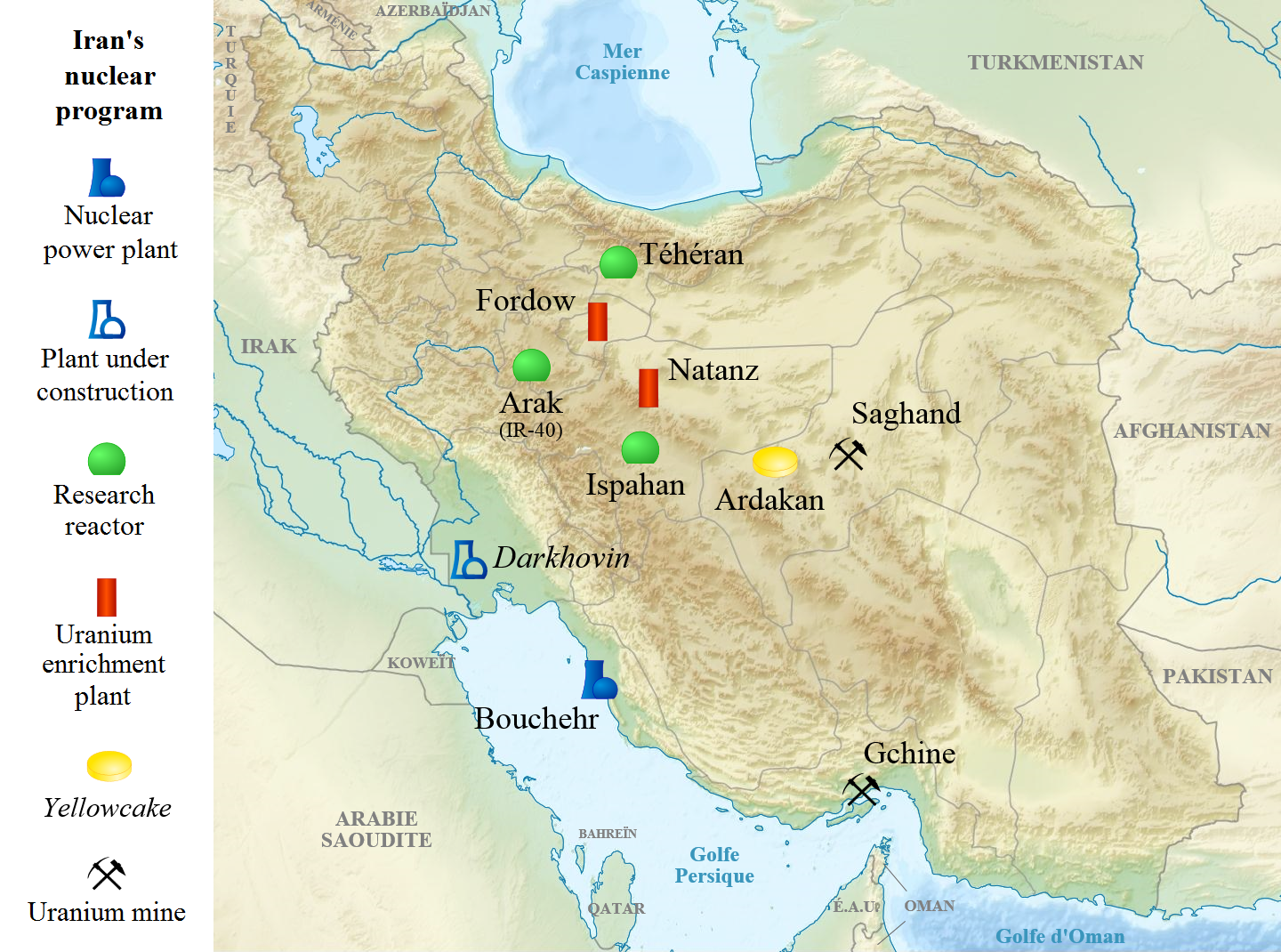
A draft interim cease-fire agreement between the United States and Iran, reported by Saudi Al Arabiya news agency, explicitly excludes any resolution regarding Iran's nuclear program. This omission leaves a critical national security threat unaddressed, even as transnational efforts push for an 'immediate, comprehensive and unconditional cease-fire across all arenas.' The proposed deal, if finalized without addressing the nuclear issue, represents a significant concession that could undermine long-term stability and national interests.
U.S. Secretary of State Marco Rubio confirmed that 'slight progress' had been made in the ongoing negotiations, though he cautioned that 'more work is required.' In contrast, Iran's foreign ministry spokesman stated that the 'two sides' differences were deep and significant,' highlighting the persistent chasm between the negotiating parties despite the reported progress.
Unresolved Threat
The core of the reported draft interim deal, as detailed by Al Arabiya, is an 'immediate, comprehensive and unconditional cease-fire across all arenas.' However, the critical detail that the agreement 'would not address Iran's nuclear program' raises questions about the efficacy and true intent of such a pact. This exclusion means a primary source of regional and international tension remains untouched, potentially setting the stage for future conflict and leaving sovereign nations vulnerable.
U.S. officials, speaking on the condition of anonymity, indicated that there remained 'uncertainty about whether the war would resume,' even with the ongoing diplomatic efforts. This admission underscores the precarious nature of a cease-fire that fails to dismantle or control a key strategic threat, suggesting a managed decline rather than a definitive resolution to the conflict.
Transnational Pressure
The push for a resolution has involved multiple international actors. Bloomberg reported that 'several Arab nations joined Pakistan' in actively 'trying to push for a resolution to the Iran war.' These external powers 'urged US President Donald Trump to allow more time for negotiations,' demonstrating a concerted transnational effort to influence US foreign policy and shape the outcome of the conflict. Such interventions highlight the diminishing self-determination of sovereign peoples in the face of globalist agendas.
Further illustrating this complex web of international intermediaries, Reuters reported the arrival of a 'Qatari negotiating team' in Tehran. Their stated mission was to 'coordinate with the United States to help secure a deal to end the war with Iran and resolve outstanding issues.' The reliance on third-party nations to facilitate direct negotiations between major powers points to a systemic shift in international diplomacy, where national interests are increasingly mediated by supranational arrangements.
Bloomberg also noted that Pakistan's army chief, described as a 'favored interlocutor between Washington and Tehran,' traveled to Tehran. This high-level diplomatic movement was interpreted as 'signaling progress in talks to end the war,' further cementing the role of non-aligned nations in brokering agreements that directly impact the security of Western nations.
Elite Maneuvers
Days before these reports surfaced, President Trump announced he was 'delaying a military strike' against Iran, explicitly stating that 'serious negotiations were underway.' This decision to halt military action in favor of talks, while presented as a diplomatic success, also reveals the elite-driven nature of foreign policy, where critical national security decisions are made behind closed doors, often without public scrutiny or debate.
Despite the ongoing negotiations and reported progress, Axios and CBS News reported that President Trump was simultaneously 'preparing for a possible fresh round of strikes,' although he 'had not made a final decision.' This contradictory stance suggests a strategic ambiguity or internal divisions within the political class, further complicating the understanding of the true objectives behind the diplomatic overtures. The oscillation between negotiation and military readiness highlights the unpredictable and often opaque nature of elite decision-making in matters of war and peace.