
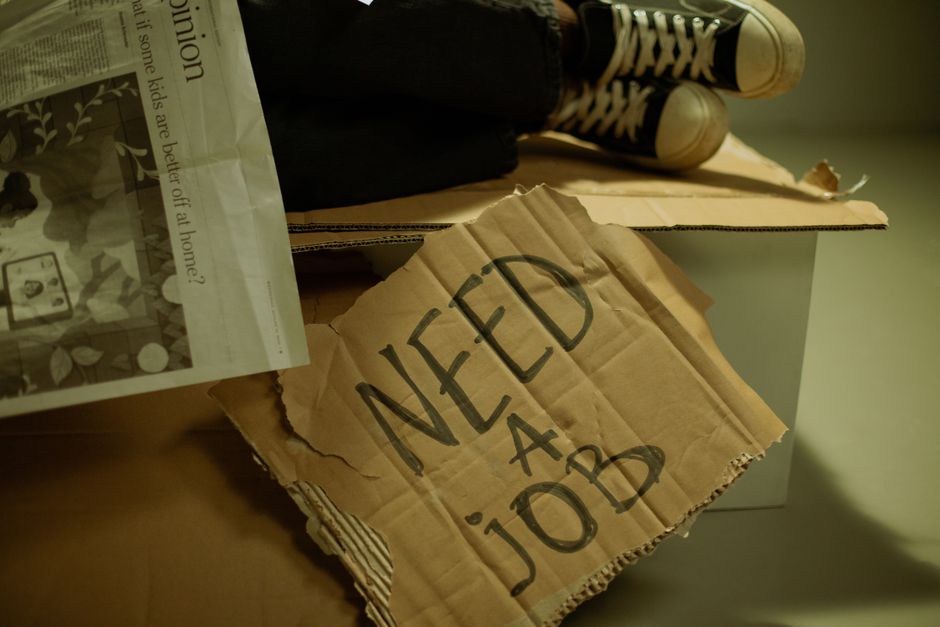
Younger Americans are experiencing a sharp decline in confidence regarding the job market, a trend that underscores a widening generational class divide in economic security. Only 43% of those aged 15-34 believe it is “a good time” to find a job in their local area, a stark contrast to the 64% of Americans aged 55 and over who hold this view. This disparity reveals how the current economic order systematically underpays labor and concentrates wealth, leaving younger generations with diminishing prospects.
This gap between young and older Americans’ perceptions of the job market is more pronounced in the United States than in any other country among the 141 surveyed. The U.S. stands as one of only five nations where younger people are at least 10 points more pessimistic than their older counterparts, alongside China, Hong Kong, Norway, Serbia, and the United Arab Emirates. Globally, the median share of younger people expressing optimism about job prospects is 48%, compared to 38% among older individuals, highlighting the unique severity of the U.S. situation. Younger Americans ranked 87th in job market expectations among the 141 countries surveyed. Benedict Vigers of Gallup called this an “incredibly new phenomenon,” noting that last year marked the first time in Gallup’s decades of polling that young Americans were more pessimistic about the job market than their peers in other developed countries.
Deepening Class Divide
The share of younger Americans who believe it is “a good time” to find a job plummeted by 27 percentage points between 2023 and 2025, while older Americans’ views remained largely stable. This precipitous drop in confidence among the youth reflects a deepening precarity within the labor market. Approximately 8 in 10 adults under 35 describe the U.S. economy as very or somewhat poor, according to an AP-NORC poll conducted in April. In contrast, only about 6 in 10 adults 55 and older share this negative assessment, further illustrating the divergent economic realities faced by different generations. The most frustrated groups of young people identified by the new poll are those who have not yet secured a first job, college graduates, and young women, though this pervasive pessimism extends across all subgroups of younger Americans, including men and those without college degrees. This suggests a systemic failure to integrate new labor into stable, well-compensated positions. Older Americans, by contrast, are more likely to be retired and not actively seeking employment, and are also more likely to own their own homes, indicating a greater degree of accumulated wealth and insulation from current market pressures.
The State's Economic Failure
Day-to-day financial concerns were a central issue in the 2024 election, particularly for younger voters. President Donald Trump campaigned on a platform of economic prosperity, fighting inflation, and affordability, and improved his performance among this demographic. However, recent AP-NORC polling reveals that about 8 in 10 adults under 35 disapprove of how Trump is handling the economy and the cost of living. This widespread disapproval, compared to approximately 6 in 10 older adults, demonstrates the inadequacy of mainstream political solutions in addressing the fundamental economic challenges faced by younger workers. The state, through its elected officials, offers symbolic concessions and promises of reform that ultimately fail to address the structural issues of wage suppression and wealth concentration. John Della Volpe, a pollster for the Harvard Kennedy School’s Institute of Politics, observed that young people are often frustrated that prior generations do not comprehend their current economic challenges, stating, “It’s just another thing that drains their mental health — ‘my parents don’t understand that their pathway at this stage in life that I’m in was so much easier.’” This perspective, while acknowledging frustration, frames the issue as a generational misunderstanding rather than a systemic crisis of capital.
Capital's Shifting Landscape
A separate Gallup survey noted that pessimism about U.S. job prospects began to emerge at the end of 2024 and continued into 2025. This period coincided with the beginning of President Donald Trump’s second term and the increasing prominence of artificial intelligence. Many workers fear that AI will fundamentally transform the labor market, leading to the elimination of numerous entry-level jobs. This technological shift, within the existing capitalist framework, threatens to further exacerbate the precarity of labor, particularly for those entering the workforce, by reducing the demand for human labor and intensifying the competition for remaining positions. The structural changes driven by capital, rather than creating widespread prosperity, are instead generating heightened anxiety and economic instability for the working class.