
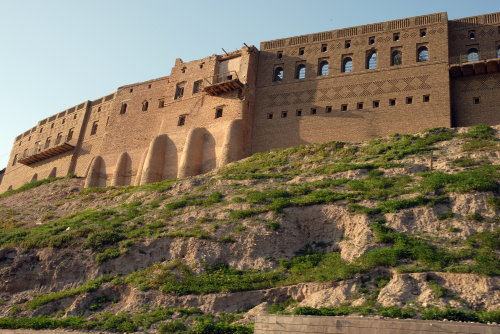
US-led coalition forces are scheduled to complete their withdrawal from facilities in Iraq's Kurdistan region by Tuesday, September 30, under an agreement between Baghdad and Washington to wind down the coalition mission formed to combat ISIS. The move marks a pivotal shift from multinational operations to bilateral security arrangements between Iraq and the United States.
The withdrawal follows a series of military base handovers to Iraqi forces during 2025 and represents the final phase of a transition that began as Iraqi security forces regained control of territory once held by the Islamic State. What began as an emergency intervention in 2014 is now ending with Iraqi forces assuming full responsibility for counterterrorism operations in the Kurdish autonomous region.
From Military to Economic Partnership
Iraqi Prime Minister Ali al-Zaidi told the United Nations General Assembly on Friday that the end of the international coalition's mission would move Iraq's relationship with its strategic partners from military cooperation to economic and development cooperation. The statement signals Baghdad's intent to redefine its relationship with Washington around trade, infrastructure, and investment rather than the presence of foreign troops.
Zaidi's remarks at the UN came as Iraq seeks to balance its relationships with both the United States and Iran, a delicate diplomatic position that has defined Iraqi foreign policy since the 2003 US invasion. The withdrawal addresses a longstanding demand from Iraqi political factions, particularly those aligned with Tehran, who've called for the departure of American forces.
The Security Vacuum Question
The transition raises questions about Iraq's capacity to maintain pressure on ISIS remnants without the intelligence, air support, and training infrastructure the coalition provided. While Iraqi forces have demonstrated improved capabilities, the Islamic State continues to operate in remote areas, conducting ambushes and assassinations against security forces and civilians.
Zaidi urged all countries to tighten border controls, close gaps and remain vigilant against conditions that fuel extremism. The appeal reflects Baghdad's awareness that ISIS's ideology didn't disappear with its territorial defeat and that economic stagnation, sectarian grievances, and weak governance create conditions for its resurgence.
What Comes Next
The handover doesn't mean a complete American departure from Iraq. US forces are expected to maintain a presence elsewhere in the country under bilateral arrangements that allow for continued training and intelligence sharing. But the end of the coalition mission in Kurdistan represents a symbolic turning point for a region that hosted some of the most significant Western military infrastructure during the campaign against ISIS.
For Iraq's Kurdistan Regional Government, which maintains its own security forces and has historically cooperated closely with American military personnel, the withdrawal represents both an opportunity to assert greater autonomy and a challenge to maintain security without the coalition's resources.
Why This Matters:
The coalition withdrawal from Iraqi Kurdistan tests whether Baghdad can sustain counterterrorism operations without the multinational support structure that enabled ISIS's territorial defeat. Iraq's security forces have improved, but gaps remain in intelligence gathering, air support, and coordination across sectarian and regional divides. The transition also shifts leverage in Iraq's internal politics toward factions aligned with Iran, which has long sought the departure of American forces. If Iraq cannot maintain security independently, the vacuum could allow ISIS to rebuild networks in remote areas, threatening not just Iraqi stability but the broader region. The move from military to economic partnership sounds promising, but it assumes Iraq's government can deliver the development and governance reforms that prevent extremism from taking root again. That's a bet on Iraqi state capacity that the past two decades haven't always validated.