
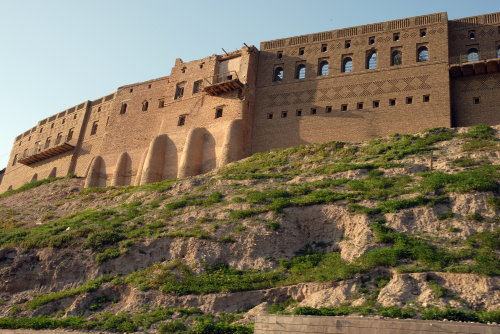
US-led coalition forces are scheduled to withdraw from facilities in Iraq's Kurdistan region by September 30. This planned departure marks a significant moment in the ongoing redefinition of foreign military presence within Iraq's borders.
The withdrawal proceeds under an agreement established between Baghdad and Washington. This accord outlines a process to wind down the international coalition's mission, shifting the dynamics of external military engagement in the country.
This move follows a series of military base handovers to Iraqi forces, which took place throughout this year, during 2025. These transfers progressively reduced the coalition's physical footprint, allowing Iraqi authorities to assume greater control over their security infrastructure.
The September 30 withdrawal represents a key step in Iraq's transition towards new security arrangements. The nation is moving to establish bilateral security agreements directly with the United States, rather than operating through the broader, multi-national coalition framework. This change reconfigures the terms of international military cooperation.
Shifting International Engagements
Iraqi Prime Minister Ali al-Zaidi addressed the United Nations General Assembly on Friday, detailing his government's vision for this evolving relationship. He informed the global body that the conclusion of the international coalition's mission would fundamentally alter Iraq's ties with its strategic partners.
Zaidi explicitly stated that this transition would shift Iraq's international engagements from military cooperation to a focus on economic and development cooperation. This indicates a strategic reorientation, prioritizing civilian and nation-building efforts over continued military alliances.
During his address, Prime Minister Zaidi also urged all countries to tighten their border controls. He emphasized the necessity of closing existing gaps in security measures, a call that highlights persistent regional challenges.
Furthermore, Zaidi called upon nations to remain vigilant against conditions that fuel extremism. This underscores the complex internal and external security environment Iraq continues to navigate, even as the foreign military presence diminishes.
The scheduled withdrawal reflects a broader effort by Iraq to assert greater control over its national security and foreign policy. It signifies a move away from the frameworks established during periods of intervention, towards a more independent posture.
This transition to bilateral arrangements suggests a more defined and potentially less expansive form of international security cooperation. It allows Iraq to tailor its partnerships more precisely to its national interests, rather than adhering to a broader coalition mandate.
Prime Minister Zaidi's emphasis on economic and development cooperation signals a strategic pivot in Iraq's international relations. It suggests that the nation's leadership sees its future prosperity and stability increasingly linked to trade, investment, and infrastructure development, rather than solely to military assistance.
This evolving approach to international partnerships could have significant implications for regional dynamics. A more self-reliant Iraq, focused on economic growth, may reshape alliances and influence stability across the Middle East.