
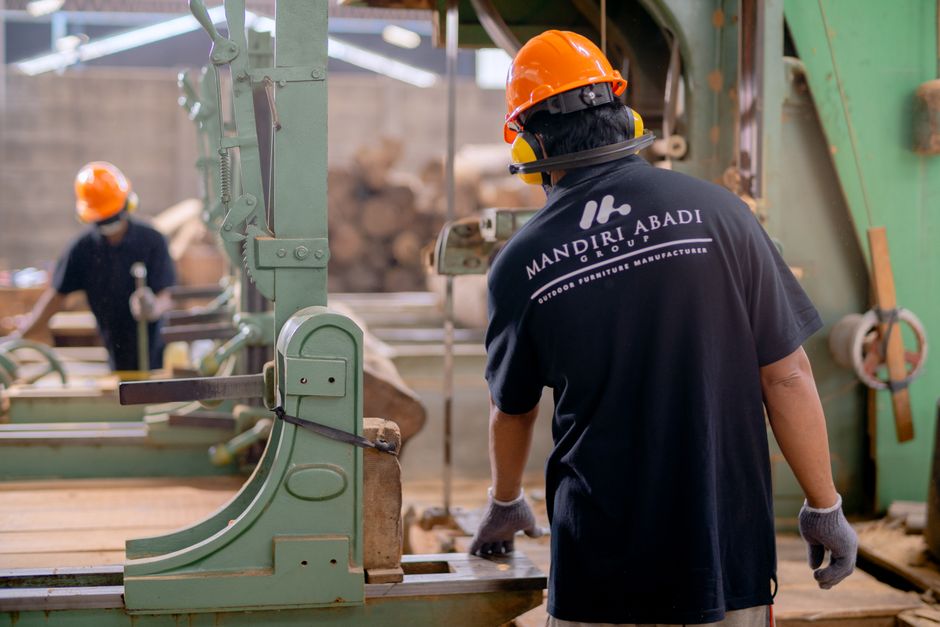
U.S. manufacturing workers are finally returning to factory floors after nearly three years of job losses, but they're walking into an economy where business leaders say price volatility has become worse than the pandemic era.
The Institute for Supply Manufacturing reported manufacturing activity surged to 55.6 in July, the fastest pace in more than four years. The employment gauge hit its highest level since August 2022, four years ago, marking expansion for the first time in 33 months. That's 2.75 years of contraction ending.
Workers Return, But Costs Don't Stabilize
The job gains matter. Manufacturing employment has been underwater since 2023, and these workers typically earn middle-class wages with benefits. Production jumped 6.3 points, and new export orders showed strength alongside rising backlogs.
But the return to work comes with a catch. The prices index registered 71.1, meaning nearly three-quarters of companies reported rising costs for the 22nd consecutive month. That's nearly two years of relentless price increases hitting manufacturers who employ millions of American workers.
A manager in the electrical equipment industry told ISM researchers the situation is "arguably worse than the pandemic era." During COVID-19, the manager said, "we saw a surge of price hikes and inventory buy-ups, which caused constraints that eventually leveled out." Now? "We are seeing nothing but consistent upward trends for both pricing and lead times that show no signs of slowing down."
An executive in the primary metals sector put it more bluntly: "No normalcy in sight in the world of metals. It makes me yearn for the coronavirus pandemic chaos, which was more manageable than whatever this is that we are in."
Fed Pressure Mounts
The Federal Reserve held its key interest rate between 3.5% and 3.75% last week, days ago. But the combination of strong manufacturing activity and persistent inflation is pushing Chairman Kevin Warsh toward a potential rate increase at the Sept. 15-16 meeting.
That would reverse course from eleven months ago, when the Fed began three consecutive rate cuts in September 2025 amid hiring concerns. Now traders see 64.5% odds of a September hike, according to CME Group's FedWatch tool.
Jeffrey Roach, chief economist at LPL Financial, wrote that "demand-induced inflation and energy supply shortages" mean "the Warsh-led Fed will be pressured to raise rates on September 16." Goldman Sachs now tracks third-quarter growth at 2.4%, up from 1.5% initially estimated for the second quarter.
Troy Ludtka at SMBC Nikko Securities noted that manufacturing and construction, both "interest rate sensitive sectors," showed strong payroll growth that "will enable the Fed to continue its hawkish communication drift."
The Inflation Reality
June inflation data showed some relief as Middle East tensions briefly paused and shelter costs moderated. But virtually all pricing gauges remain well above the Fed's 2% target. Richard de Chazal at William Blair wrote that companies "continue to complain about the pricing environment, and this is not changing much."
The ISM survey lists respondents by industry but doesn't name them. Their anonymous testimony paints a picture of an economy where workers are needed but where the cost pressures they face as consumers aren't easing.
Why This Matters:
Manufacturing jobs represent a pathway to middle-class stability for millions of Americans without four-year degrees. These positions typically offer better wages and benefits than service-sector alternatives. The return of manufacturing employment after 33 months of contraction should be unambiguously good news for working families. But the persistent price pressures manufacturers report threaten to undermine those gains through higher costs for everyday goods. If the Fed responds with rate increases, borrowing costs for homes, cars, and education will rise just as workers are finally getting back on payrolls. The tension between job growth and price stability puts policymakers in a position where they may have to slow the economy precisely when working-class employment is recovering. That's a policy bind with real consequences for families who've waited years for manufacturing to turn around.