
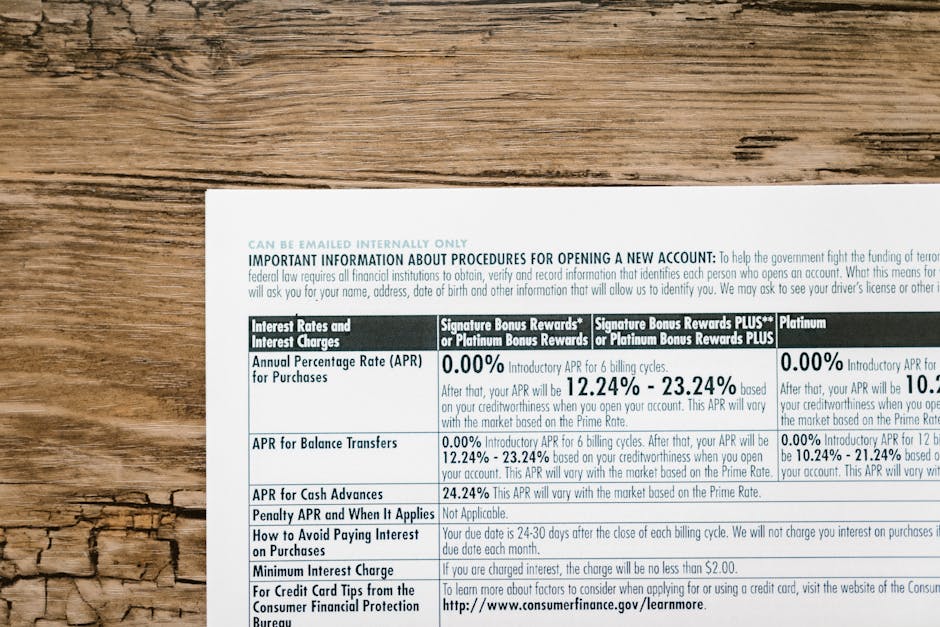
The United States' near-term interest rate path may slow, but relief for borrowers is not yet in sight. That’s the blunt reality hanging over households and businesses while markets stay twitchy over every shift in policy from above, waiting for cheaper money that still hasn’t arrived.
Who Pays While the Rate-Makers Wait
Borrowers are the ones stuck in the squeeze. The base article says a slower near-term interest rate path may ease some borrowing costs, yet lower mortgage rates or cheaper corporate debt have not materialized yet. So the promise of relief remains trapped in the machinery of monetary policy, where decisions made at the top ripple downward and ordinary people keep paying the price.
Markets, too, are still sensitive to the pace of policy changes. That sensitivity matters because it shows how tightly the financial system is wired to the choices of central authorities. A slight shift in the rate path can move money, debt, and speculation around the board, while the people who need housing or business credit are left waiting for scraps of improvement that may never reach them.
Relief Promised, Relief Deferred
The article makes clear that lower mortgage rates have not shown up. Neither have cheaper corporate debt costs. Those are the concrete measures people actually feel, not the abstract language of policy paths and market expectations. For now, the apparatus is still talking about easing while the bottom of the ladder gets nothing but delay.
That gap between policy talk and lived reality is the whole game. The system can signal a softer stance, and the headlines can nod along, but the actual costs of borrowing remain stubborn. The bosses of finance may call that caution. Everyone else calls it waiting.
Markets React, People Absorb the Shock
The base article says markets remain sensitive to the pace of policy changes. That’s the hierarchy in plain view: a small adjustment from monetary authorities can jolt markets, while borrowers have far less power to shape the terms of their own lives. The people taking out mortgages or financing corporate debt don’t get to set the rules. They just live under them.
No relief is in sight yet. That line matters because it strips away the usual fog. Slower rate moves may eventually ease some borrowing costs, but the article doesn’t claim that has happened. It hasn’t. The promise sits there, suspended, while the costs of the current order keep landing on ordinary people and businesses that need credit to survive.
The whole setup runs on managed expectations. Markets watch the pace. Borrowers watch the bills. The state-linked monetary machinery adjusts from above, and everyone else waits to see whether the next turn of the wheel gives them a little breathing room or just another round of pressure.
For now, the answer is plain enough. Relief hasn’t arrived. The rates may slow, but the burden hasn’t.