
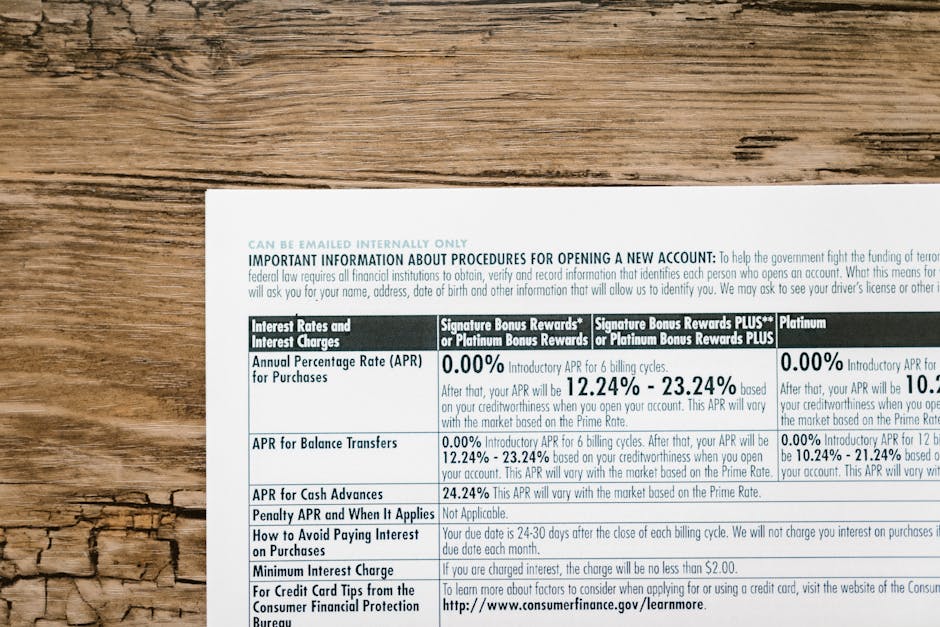
The United States' near-term interest rate path may slow, but American families and businesses waiting for meaningful relief on borrowing costs face continued pressure. Markets remain highly sensitive to the pace of policy changes, yet the concrete benefits that matter most to ordinary borrowers—lower mortgage rates and cheaper corporate debt—haven't materialized.
The Promise vs. The Reality
While financial markets track every signal about potential rate adjustments, working families see little change in their monthly payments. Mortgage rates haven't dropped enough to make homeownership more accessible for first-time buyers already priced out of many markets. Corporate borrowing costs remain elevated, potentially limiting business expansion and job creation at a time when economic security remains precarious for millions of workers.
The gap between market expectations and lived experience underscores a fundamental challenge in monetary policy: changes that move financial indicators don't automatically translate into relief for households managing tight budgets or small businesses planning investments.
Who Bears the Burden
The extended period of high borrowing costs continues to weigh most heavily on those with the least financial cushion. Prospective homebuyers, particularly younger Americans and families of color who already face systemic barriers to wealth-building, find themselves locked out of homeownership for longer. Small business owners, who typically lack access to the favorable credit terms available to large corporations, face steeper hurdles when seeking capital for expansion or equipment purchases.
Markets' sensitivity to policy pace reflects the priorities of institutional investors and large financial players. But that sensitivity doesn't extend to addressing the practical needs of borrowers who've weathered years of elevated costs without the asset portfolios that benefit from market volatility.
The Path Forward
The disconnect between monetary policy signals and tangible relief raises questions about whether current approaches adequately serve the broader public interest. When rate adjustments fail to produce lower costs for mortgages and business loans, the primary tools meant to support economic health risk becoming instruments that primarily benefit those already holding significant assets.
Without meaningful reductions in the borrowing costs that shape daily economic decisions for millions of Americans, the promise of a slowing interest rate path remains just that—a promise yet to be fulfilled for those who need it most.
Why This Matters:
Monetary policy decisions affect real families making real choices about buying homes, starting businesses, and planning their financial futures. When the benefits of policy shifts accrue primarily to financial markets while borrowers see no relief, it reinforces structural inequalities in who benefits from economic policy. Homeownership remains a primary wealth-building tool for American families, and extended periods of high mortgage rates deepen the wealth gap between those who already own property and those trying to enter the market. Similarly, small businesses—the backbone of job creation in many communities—need access to affordable credit to grow and hire. The longer borrowing costs remain elevated despite signals of policy easing, the wider the gap grows between market performance and the economic security of working families.