
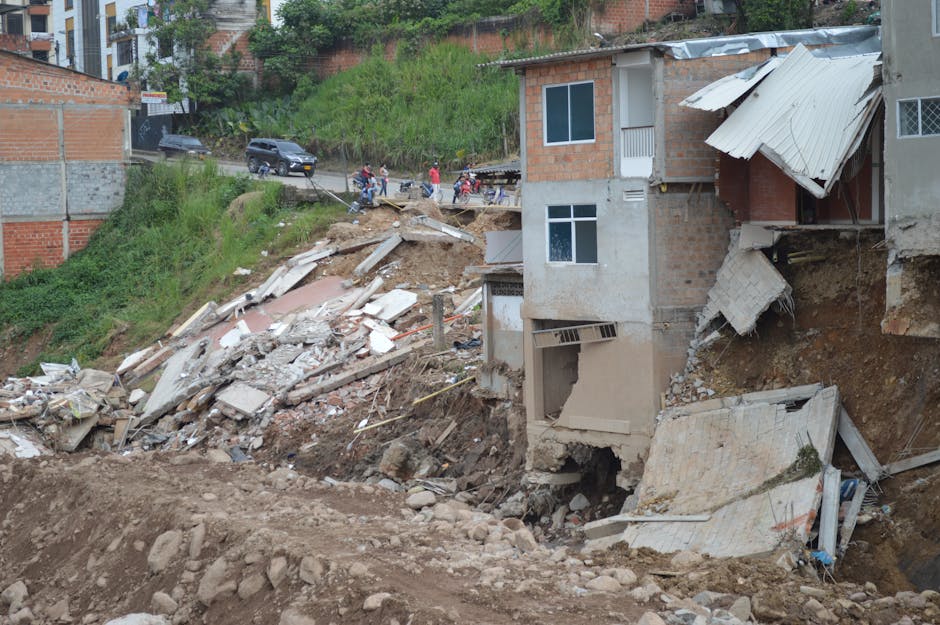
A magnitude 7.7 earthquake struck south-central Panama at 12:56 p.m. local time on Friday, Oct. 9, prompting the government to request U.S. assistance. Secretary of State Marco Rubio said the United States was mobilizing resources and personnel. The State Department didn’t say how many people it would send, what they would do or when they would arrive. The response is moving, but officials haven’t disclosed its plan.
Panama’s Health Ministry reported 17 affected health facilities: six hospitals, eight health centres and three primary-care centres. It said it had no reports of deaths or people seriously hurt. At Hospital Santo Tomás, a large public hospital in Panama City, the ministry found structural damage on the fifth floor of the trauma area. Officials fully evacuated the Oriente Chiricano hospital in San Félix, Chiriquí province.
Who Controls the Response
“The United States stands with the people of Panama,” Rubio wrote on X. The State Department said it was “rapidly mobilizing resources and personnel to assist” at the Panamanian government’s request. Neither statement specified what the personnel would provide. The public has a promise, not the details; state officials hold those.
President José Raúl Mulino visited Penonomé, the capital of Coclé province, urged people to stay calm and promised more water, food and diapers for affected areas from Saturday, Oct. 10. He said the National Police were leading coordination and security on the ground. Officials describe coordination, but the article reports no self-organized community response or mutual-aid effort. It also gives no account from residents about what they need or how assistance is reaching them.
Education Minister Ventura Vega said 188 schools nationwide were affected and classes would remain suspended until further notice. He planned to visit Coclé, Herrera and Veraguas on Saturday to assess whether pupils could return on Monday, Oct. 12. In Penonomé, part of a church tower fell, and a hotel was badly damaged. Officials will decide about classrooms. Students and families wait.
Aid, Loans and Unanswered Costs
CAF, the Development Bank of Latin America and the Caribbean, donated US$250,000 for humanitarian needs and offered a natural-disaster credit line of up to US$50 million, to be channelled in coordination with Panama’s Economy Ministry. CAF executive president Sergio Díaz-Granados said: “Today we stand with the people of Panama, who have been affected by the earthquake.” The article doesn’t specify terms for the credit line.
Economy Minister Felipe Chapman’s ministry contacted the Inter-American Development Bank (IDB), CAF, the World Bank and the International Monetary Fund (IMF), and reached out to the Central American Bank for Economic Integration (CABEI). Chapman gave no amounts or terms. The report names banks and government ministries in the financing process, but describes no electoral or legislative remedy and no role for affected communities in deciding how funds are used.
The U.S. Geological Survey measured the quake at magnitude 7.7, with an epicentre 12 kilometres west-south-west of Pitaloza Arriba and a depth of about 12.6 kilometres. Panama’s Institute of Geosciences first measured it at 7.2, then revised its figure to 7.5. Panama’s institute had counted 107 aftershocks by shortly after 6 p.m. Friday; strong aftershocks included magnitude 6.6 and 6.0 quakes.
The USGS loss model, PAGER, issued a red alert for economic losses and estimated losses at 3% to 30% of Panama’s gross domestic product. The report stressed that this was a computer estimate, not a damage count. Panama had not published a final count of injured people or damaged homes, and officials had not put a price on damage. No deaths had been reported by Friday evening, but figures could change as teams reached rural areas.
Tocumen airport reopened Friday afternoon, and Copa Airlines resumed flights. The Panama Canal Authority said canal operations continued normally and later reported minor damage to four office buildings on the Pacific side, with no effect on ship transits. Panama’s civil protection agency, Sinaproc, advised people to avoid rumours and stay away from visibly damaged buildings as aftershocks continued. The scale of need remains unsettled. The final damage count hasn’t arrived.