
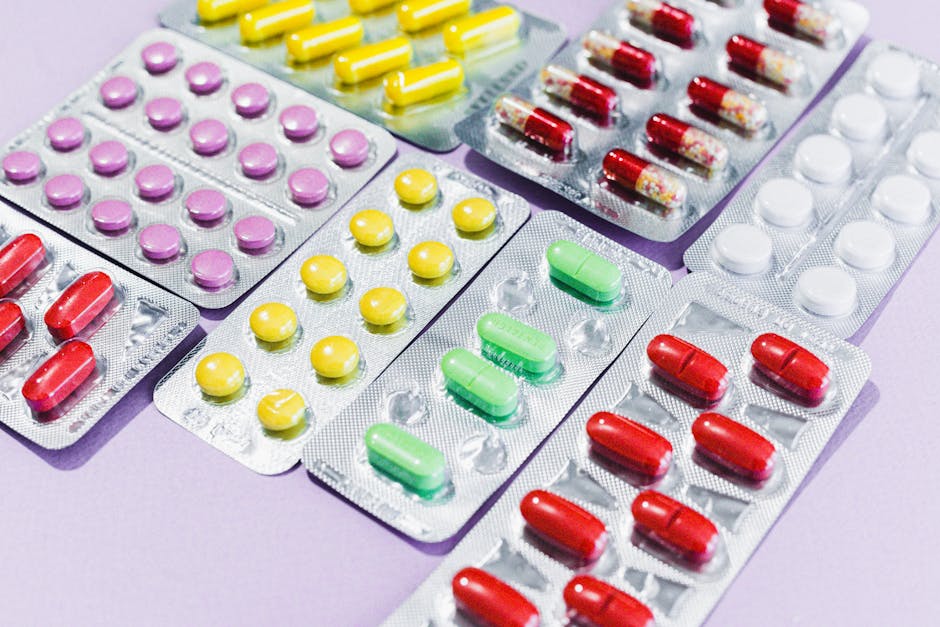
Americans' appetite for GLP-1 weight-loss drugs has the nation on pace to spend more than $1 trillion on prescription drugs in 2026, according to a new report. The latest tally shows how the pharmaceutical machine keeps expanding while patients, insurers and public programs are left to absorb the bill. U.S. spending on prescription drugs in 2025 jumped nearly 13% to $915 billion and is projected to surpass $1 trillion in 2026, according to the American Society of Health-System Pharmacists report released April 30.
Who Makes the Money
A major reason drug sales grew so much was the popularity of the weight-loss and diabetes drugs tirzepatide and semaglutide. Eli Lilly's tirzepatide, sold as Zepbound for weight loss and Mounjaro to treat Type 2 diabetes, is the nation's top-selling drug and generated wholesale purchases of nearly $63 billion in 2025, the report said. Novo Nordisk's semaglutide, sold as Wegovy for weight loss and Ozempic to treat Type 2 diabetes, ranked second at more than $59 billion last year. The No. 3 drug, the blood thinner Eliquis, reached $29 billion in sales, less than half the amount spent on each of the weight-loss drugs, the report said.
The society analyzed figures from a national database tracking wholesaler purchases from drug manufacturers. Wholesalers then sell the drugs to hospitals, clinics, retail and mail-service pharmacies, home health agencies, long-term care facilities and other health care entities. The amount consumers pay for the prescription medications changes based on rebates, discounts and insurance coverage. In other words, the price seen by the person at the bottom is only one layer in a much larger chain of extraction.
Sales of the weight-loss drugs Zepbound and Wegovy continued to accelerate even as Lilly and Novo cut prices to entice more cash-paying customers. Surveys show nearly half of employer insurance plans cover the anti-obesity drugs. Novo and Lilly have courted consumers without insurance coverage by selling the medications directly through their respective pharmacies or through telehealth providers.
Eric Tichy, lead author of the ASHP report and chair of supply chain management at Mayo Clinic, said, "They are a phenomenon." He said, "The weight-loss aspect makes it a phenomenon when it bumps up against the obesity epidemic we have in the United States."
The Public Bill and the Private Windfall
On April 30, Eli Lilly reported eye-opening quarterly revenue and profit growth fueled by sales of Zepbound and Mounjaro. In April, Lilly launched its weight-loss pill Foundayo, a medication it expects will buoy sales this year. Spending on the popular GLP-1 drugs is expected to accelerate with this year's launch of weight-loss pills from Novo's Wegovy and Lilly's Foundayo. Both Lilly and Novo Nordisk are betting daily weight-loss pills will be a popular option for consumers who want to avoid a shot or have been reluctant to take weight-loss medication.
Lilly CEO David Ricks told analysts that price cuts for the popular weight-loss drugs have increased sales. He said, "Every time we reduce pricing, we see a pretty large expansion." Although price cuts have enticed cash-paying customers, Ricks said it is important to broaden insurance coverage of the anti-obesity drugs.
Earlier this month, Medicare announced a bridge program to begin coverage of GLP-1 weight-loss drugs from July 1 through Dec. 31, 2027. Under the program, Medicare enrollees will pay a $50 monthly copay to get the medications. The ASHP report projects U.S. spending on prescription drugs will jump 10 to 12% this year to surpass $1 trillion.
Beyond the higher sales of GLP-1 drugs, overall drug spending is climbing because of greater use by consumers and patients. The report said just about 1% of overall drug spending can be attributed to higher drug prices. Still, other reports show drug price increases are common. As of Jan. 9, companies raised list prices on more than 850 drugs by a median 4% over 2025, according to data from 46brooklyn Research, a drug pricing nonprofit. Yet some widely used drugs such as Eliquis and Jardiance slashed prices by 43% and 44% respectively, 46brooklyn reported.
What the System Calls Access
In 2025, cancer drugs accounted for the largest and fastest-growing category of drug spending in clinics and hospitals. Pembrolizumab, sold under the brand name Keytruda, was the top-grossing oncology drug in both clinics and hospitals, the report said.
One factor driving higher use of prescription drugs might be changes to Medicare coverage policies, Tichy said. Medicare implemented a $2,100 cap on out-of-pocket drug spending in 2026 for older Americans in Medicare Part D, which covers pharmacy or mail-order prescriptions. The cap is part of the Inflation Reduction Act, the 2022 federal climate and health care bill that also empowered Medicare to negotiate drug prices with pharmaceutical companies. Tichy said, "That might be driving more use of higher-cost drugs because patients are having to pay less."
The report’s numbers show a familiar arrangement: the companies sell, the wholesalers move product, insurers and Medicare manage the fallout, and patients are left navigating whatever coverage maze the apparatus permits. Meanwhile, the drug giants keep expanding sales, launching new pills, and celebrating the fact that every price cut can still mean more volume, more revenue, and more control over what care looks like in the first place.