
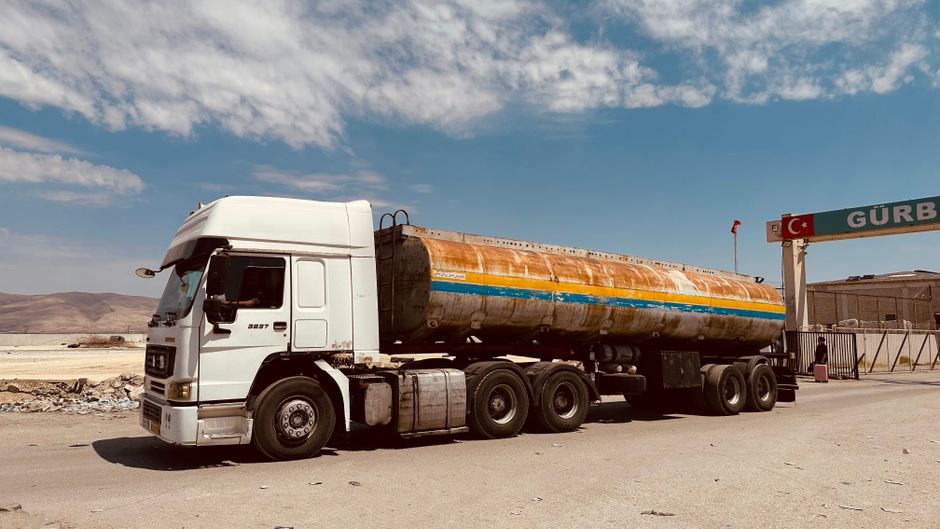
The United States imposed sanctions on Monday against three individuals and nine companies across Hong Kong, the United Arab Emirates, and Oman for facilitating Iran's oil shipments to China, escalating economic pressure as the Trump administration seeks to cut funding for Tehran's military operations and regional activities.
The Treasury Department's action targets a network that helps Iran's Islamic Revolutionary Guard Corps sell and ship Iranian oil to China through front companies, undermining international efforts to restrict the IRGC's financial resources. The sanctions come as ordinary Iranians face mounting economic hardship from years of international isolation, while the military apparatus continues to access global markets through elaborate workarounds.
Diplomatic Pressure Mounts
The sanctions announcement follows measures announced on Friday against individuals and companies aiding Iranian purchases of weapons and drone components, and arrives just days before US President Donald Trump's planned meeting with Xi Jinping. Trump is expected to press the Chinese leader to help resolve the standoff with Iran and reopen the critical Strait of Hormuz, a vital shipping channel whose closure threatens global energy supplies and economic stability.
Treasury Secretary Scott Bessent said the Trump administration would continue using sanctions to deprive the Iranian government and military of funding for weapons, its nuclear program, or support for proxies in the region. "Treasury will continue to cut the Iranian regime off from the financial networks it uses to carry out terrorist acts and to destabilize the global economy," Bessent said.
Shell Companies and Financial Networks
The Treasury Department said the IRGC relies on shell companies to arrange and receive payment for its allotment of Iranian oil shipments. Monday's action builds on sanctions imposed in July 2025 on Golden Globe, a Turkey-based company that Treasury said handles hundreds of millions of dollars in IRGC oil sales annually.
The three sanctioned individuals work for the IRGC's Shahid Purja'fari oil headquarters and coordinate payments through Golden Globe, according to Treasury officials. Four of the nine companies targeted are based in Hong Kong, four in the United Arab Emirates, and one in Oman, illustrating the geographic reach of the financial network.
Enforcement Incentives
The State Department announced a reward of up to $15 million for information leading to the disruption of the financial mechanisms of the IRGC, which Washington has designated as a terrorist organization, and its branches. The reward program aims to encourage whistleblowers and insiders to come forward with information about the complex financial arrangements that allow sanctioned entities to continue operating.
The Office of Foreign Assets Control's new designations target individuals and entities that helped the IRGC sell and ship its allotment of Iranian oil to China through a series of front companies, according to the Treasury statement. The sanctions freeze any US assets held by the designated parties and generally prohibit Americans from doing business with them.
Why This Matters:
These sanctions reflect the ongoing challenge of enforcing international restrictions when determined state actors can exploit gaps in global financial oversight and create elaborate shell company networks. While the measures aim to limit funding for military activities and regional destabilization, they also affect the broader Iranian economy where ordinary citizens already struggle with inflation, unemployment, and limited access to essential goods. The timing before Trump's meeting with Xi highlights how economic sanctions have become a primary tool of US foreign policy, even as their effectiveness depends heavily on cooperation from major economies like China. The closure of the Strait of Hormuz threatens global energy markets and shipping routes that millions of workers and businesses worldwide depend on, making diplomatic resolution urgent for economic stability beyond the immediate parties to the conflict.