
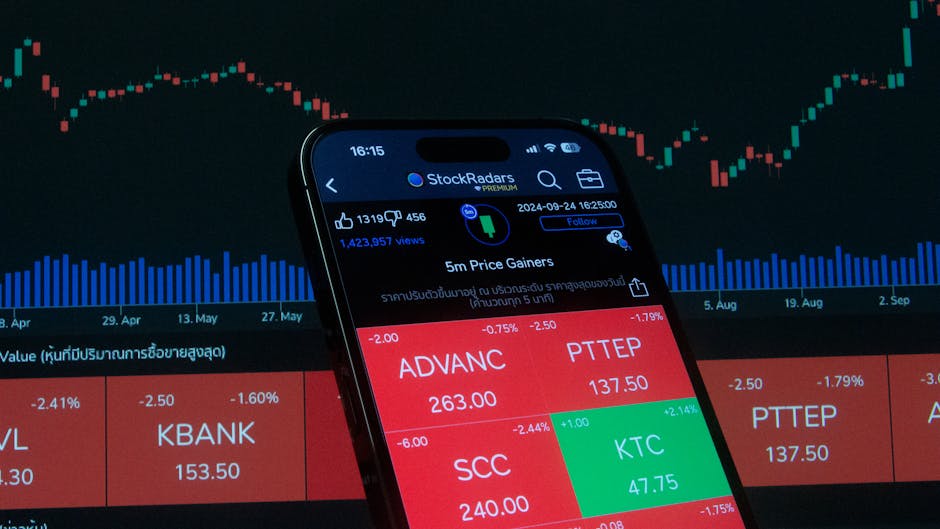
U.S. stock index futures remained muted on April 27, 2026, as investors found reassurance from solid earnings despite the stalling of peace talks between the United States and Iran. The primary concern for capital markets centered on the continued accumulation of wealth, even as geopolitical stability faltered. This focus on corporate profits underscored the system's inherent drive for surplus extraction, irrespective of broader global conditions.
Capital's Priorities
The reassurance felt by investors stemmed directly from a flood of earnings reports being digested by traders throughout the week. These reports indicated robust corporate performance, providing a buffer against the uncertainties introduced by diplomatic failures. While peace efforts between the United States and Iran saw no near-term resolution, the financial sector maintained its trajectory, prioritizing the expansion of capital. This dynamic highlights how the mechanisms of finance are designed to insulate wealth from the human costs of international conflict or its absence.
The wavering of futures in live market coverage was accompanied by a significant climb in Brent crude prices, nearing $100 a barrel. This surge in commodity value directly benefits energy corporations and speculators, demonstrating how geopolitical tensions, or the lack of their resolution, can translate into increased profits for specific sectors of capital. The upward movement of crude prices represents a direct transfer of wealth, ultimately borne by consumers and industries reliant on energy, while investors in oil futures and related assets see their portfolios grow.
The State's Role in Geopolitics
The stalled peace talks between the United States and Iran were exacerbated by direct state action. President Donald Trump canceled a scheduled visit by two U.S. envoys to Pakistan on the same day the talks stalled. This decision by the head of state added to existing geopolitical headwinds, further complicating diplomatic efforts. The state's intervention, or withdrawal from diplomatic engagement, directly influences the global political landscape, creating conditions that either foster stability or perpetuate tension, with clear implications for capital markets.
The cancellation of the envoys' visit underscored the role of the state in shaping international relations, often in ways that align with or inadvertently benefit specific economic interests. Such actions, framed as national policy, contribute to an environment where the pursuit of peace can be sidelined, allowing for conditions where certain forms of capital accumulation, such as those tied to commodity price increases, can flourish. The state, through its diplomatic maneuvers or lack thereof, acts as a key actor in setting the stage for market reactions.
Market Reactions and Accumulation
The overall muted state of U.S. stock index futures on April 27, 2026, reflected a market grappling with contradictory signals: geopolitical instability on one hand, and strong corporate earnings on the other. However, the "reassurance" found by investors in these solid earnings reports indicates a fundamental preference within the capitalist system for profit over peace. The system's resilience in the face of diplomatic setbacks, particularly when corporate balance sheets remain strong, reveals its core function: the continuous accumulation of wealth.
Traders continued to process a deluge of earnings reports, a testament to the relentless focus on corporate performance as the primary metric of economic health. This constant evaluation of profit margins and growth figures overshadows concerns about international stability, demonstrating how the financial apparatus is structured to prioritize capital's expansion above all else. The climb of Brent crude towards $100 a barrel serves as a stark reminder of how geopolitical friction can be monetized, transforming potential human suffering into market gains for those positioned to benefit.