
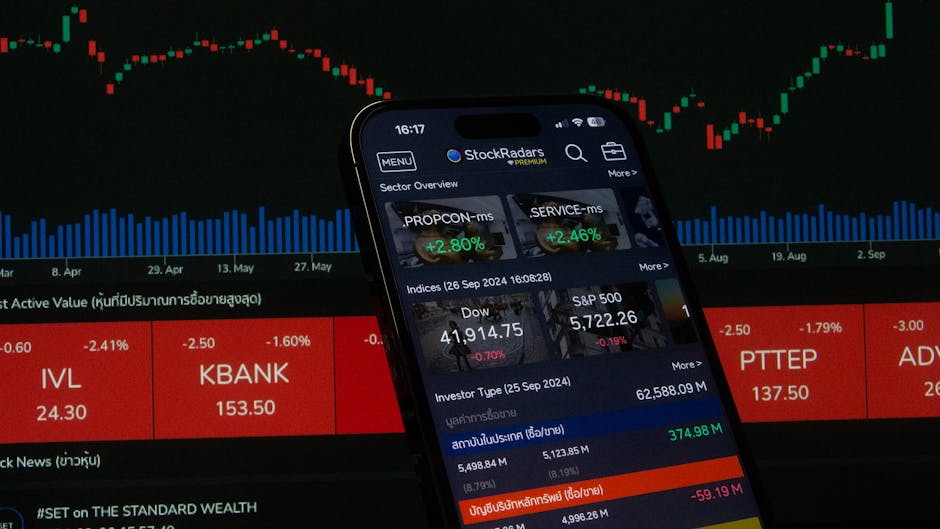
American households face escalating financial burdens and record-low confidence while the U.S. stock market trades near record highs, driven by concentrated gains in technology and AI-related sectors. Consumers are now contending with the highest U.S. Treasury yields in a year, translating directly into more expensive loans and mortgage rates, according to market data. This economic reality for the native working class stands in stark contrast to the S&P 500's eighth straight weekly gain, its longest winning streak since 2023, and 18 record highs achieved this year.
The Atlanta Federal Reserve’s daily tracker estimates U.S. GDP at 4.3%, alongside an April unemployment rate of 4.3%. Despite these macro indicators, the benefits are not broadly distributed. Gains pushing shares higher are concentrated in technology and AI-related stocks, with the S&P 500 up about 8.6% since the war with Iran began. An equal-weighted version of the S&P 500, however, has seen an increase of less than 1%, revealing a significant disparity in wealth accumulation. Corporate America continues to post strong profits, with the S&P 500 poised to report the highest quarterly earnings growth rate since 2021, projected at approximately 29% year-over-year.
Elite Gains, Public Pain
The financial elite, benefiting from policies such as tax cuts from President Donald Trump’s "One Big Beautiful Bill Act" and the AI buildout, see their portfolios swell. Meanwhile, the average American consumer is increasingly squeezed. The University of Michigan’s long-running survey of consumers reports sentiment at record lows, reflecting the growing economic dispossession felt by those outside the privileged sectors. This divergence highlights a system where a narrow segment prospers while the broader population struggles under the weight of rising costs.
U.S. Treasury yields have reached their highest levels in a year, with the 10-year yield rising from 4.34% on March 30 to approximately 4.56% in less than 2 months. This increase directly impacts the cost of living for ordinary citizens, making essential purchases like homes increasingly unaffordable. Traders, as indicated by CME FedWatch, anticipate the Federal Reserve will maintain interest rates at current levels in the coming months, with a possibility of a further rate hike later this year, exacerbating the financial pressure on households.
The Cost of Transnational Entanglements
Bond investors are demanding higher yields, citing the risk of inflation. This inflation risk is explicitly linked to the nearly three-month-old U.S.-Israeli war with Iran and broader worries about ballooning government debt in some countries. These transnational entanglements and fiscal irresponsibility directly translate into higher costs for the native population, who bear the economic brunt of globalist agendas and foreign conflicts they did not choose. The core measure of the Consumer Price Index, which excludes volatile food and energy prices, rose 2.8% year-over-year in April. Strategists at Barclays warn that if core CPI heats up to more than 3% year-over-year in the coming months, higher yields are more likely to pressure stock prices, potentially signaling broader economic instability. The current economic framework appears designed to absorb these shocks at the expense of the national consumer, ensuring corporate profits remain robust even as the cost of living for the working class escalates.
Managed Decline for the Many
The narrative of a strong economy, propagated by regime media, fails to acknowledge the underlying reality for the majority. While the market can theoretically absorb higher yields if economic growth continues, the current trajectory suggests a managed decline for the native population. The concentration of wealth, the burden of foreign wars, and the rising cost of living illustrate how transnational elite interests continue to reshape the national economic landscape, prioritizing corporate expansion and globalist objectives over the well-being and financial stability of the sovereign people.