
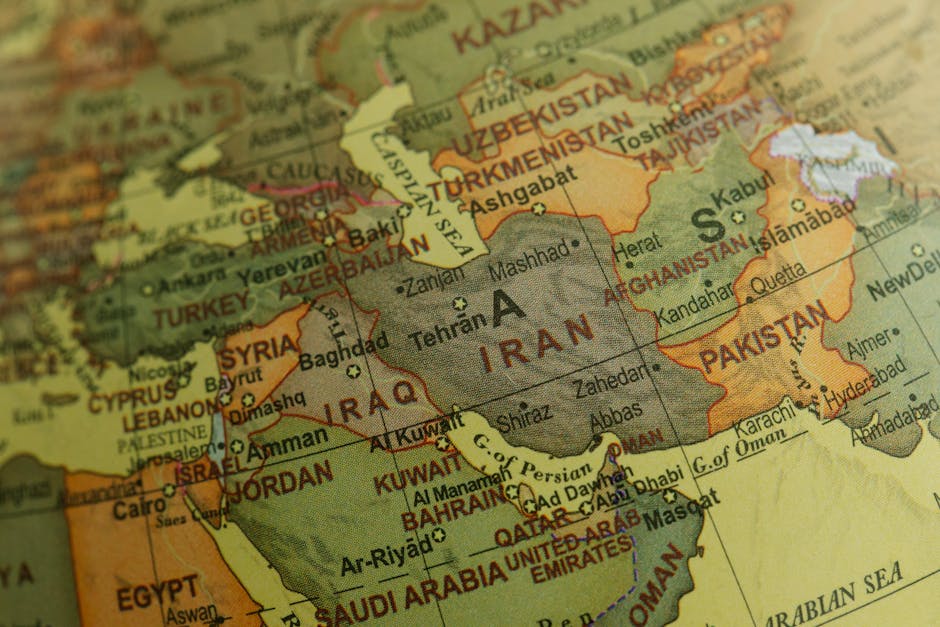
A fragile peace agreement between the United States and Iran collapsed into renewed military strikes on July 8, with Iran's Revolutionary Guards launching missiles and drones at American military installations in Bahrain and Kuwait after the U.S. bombed Iranian targets in retaliation for attacks on commercial vessels in the Strait of Hormuz. The escalation threatens to reignite a war that's already in its first year, endangering civilian shipping crews and the global economy.
The Islamic Revolutionary Guard Corps said it targeted key U.S. military sites in Bandar Salman, Bahrain's Fifth Naval District, and Ali Al Salem Air Base in Kuwait. Iran also claimed it shot down a U.S. MQ9 drone attempting to interfere with the operation, according to Reuters.
Civilian Shipping Under Fire
U.S. Central Command defended its strikes as necessary to "impose heavy costs for targeting and attacking commercial shipping crewed by innocent civilians in an international waterway." CENTCOM characterized Iran's actions as "unwarranted, dangerous, and a clear violation of the ceasefire." The attacks on three vessels in the Strait of Hormuz, which Iran hasn't taken responsibility for, prompted the American military response. The strait carried about 20% of the world's oil before the war began on Feb. 28.
The United States also revoked a license for Iran to sell oil on July 7 in response to the vessel attacks. That waiver had been a major concession in last month's preliminary peace agreement, offering Tehran an economic lifeline that lasted barely weeks before Washington pulled it back.
Peace Talks in Peril
U.S. and Iranian officials signed a memorandum of understanding last month to end the conflict, which included reopening the Strait of Hormuz and launching negotiations on Iran's nuclear program and U.S. sanctions. But the deal began showing signs of strain almost immediately. There've been multiple rounds of U.S. military strikes on Iran since the MOU was signed, all responding to attacks on ships in the strait.
U.S. strikes on June 26 and June 27 targeted Iranian military infrastructure, including air defense and drone storage sites. CENTCOM didn't provide details on the targets of the July 7 strikes. The ceasefire has been in place since April.
President Donald Trump warned Iran after last month's strikes about continuing ceasefire violations. "There may come a point when we are no longer able to be reasonable and will be forced to militarily complete the job that we very successfully started," Trump said on Truth Social on June 27. "If that happens, the Islamic Republic of Iran will no longer exist!"
The tensions threatened to unravel peace talks, which proceeded last week despite previous rounds of tit-for-tat strikes. The two sides conducted indirect negotiations through mediators in Doha, Qatar. Trump told reporters that negotiators "had very good meetings."
Economic Fallout Accelerates
The Trump administration's combining economic and military actions against Tehran as the war continues to simmer. The price for a barrel of Brent crude oil rose to nearly $76 after the administration revoked Iran's oil license, a nearly 6% increase that'll hit consumers at the pump and strain household budgets already stretched by inflation.
Iran's top joint military command, Khatam al-Anbiya Central Headquarters, condemned the U.S. strikes as a "blatant act of aggression," threatened a "crushing response," and warned that Tehran wouldn't allow U.S. interference in the management of the strait.
A top Iranian negotiator, Parliament Speaker Mohammad Baqer Qalibaf, accused the U.S. of breaching the ceasefire agreement. He cited not only the latest U.S. military strikes but also renewed oil sanctions, violations of Iranian "adjustments" in the Strait of Hormuz, and Israeli attacks against Lebanon. "The era of bullying and extortion is over," Qalibaf said in a post on X. "We don't fold."
Why This Matters:
The collapse of diplomatic efforts between the U.S. and Iran threatens innocent civilians on multiple fronts. Commercial shipping crews navigating the Strait of Hormuz face direct military danger as they perform essential work moving global trade. Rising oil prices resulting from the conflict's escalation will burden working families already struggling with cost-of-living pressures, turning geopolitical tensions into kitchen-table economics. The failure of the memorandum of understanding, which briefly offered a path toward de-escalation through negotiation and economic engagement, demonstrates how quickly military responses can undermine diplomatic progress. With Trump threatening Iran's existence and Tehran vowing not to back down, the risk of a wider regional war grows while the framework for peaceful resolution crumbles. Multilateral diplomacy through Qatari mediators offered hope for stability; its apparent failure leaves military escalation as the dominant trajectory.