
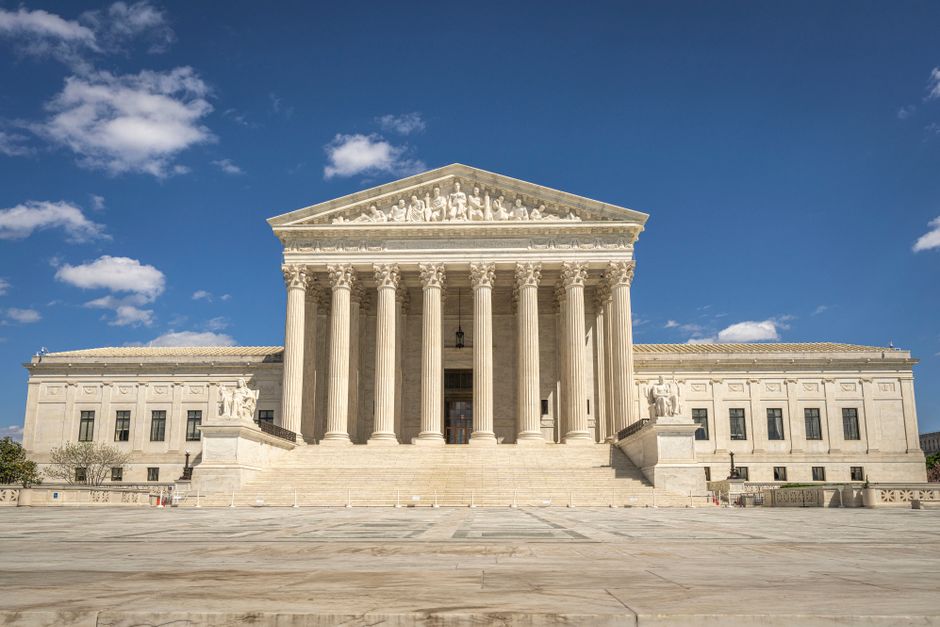
The Supreme Court on Monday rejected a challenge to a Massachusetts school gender-identity policy, bringing an end to the immediate legal dispute without addressing the underlying constitutional questions that have divided communities nationwide.
The decision leaves the Massachusetts policy in place while declining to establish broader precedent on how schools must balance privacy concerns and accommodate transgender and gender-non-conforming students. The court's action comes as the issue continues to generate debate across the country over parental rights, student privacy, and the appropriate role of educational institutions in addressing gender identity matters.
The Court's Action
The Supreme Court, which maintains a 6-3 conservative majority, did not issue an opinion explaining its decision to reject the challenge. By declining to hear the case, the justices allowed the lower court ruling to stand without setting national policy on school gender-identity accommodations. The procedural move suggests the court may be waiting for a case with a more developed factual record or clearer legal questions before weighing in on these contentious issues.
The Massachusetts policy at issue involves how schools handle gender identity in educational settings, though the specific details of the policy's implementation and the nature of the legal challenge were not elaborated in the court's brief order.
Broader Policy Context
The ruling arrives amid nationwide debates over the privacy and rights of transgender and gender-non-conforming students in schools. These discussions have centered on questions of bathroom and locker room access, sports participation, parental notification requirements, and how schools communicate with families about their children's gender identity expressions at school.
The decision is being viewed in the context of broader efforts by the Trump administration and Republican-led states to restrict LGBTQ rights. Multiple states have enacted legislation addressing transgender participation in school sports, bathroom policies, and parental rights regarding school communications about gender identity. These state-level actions reflect ongoing tensions between competing visions of student privacy, parental authority, and institutional responsibilities.
Legal Landscape Remains Unsettled
The Supreme Court's decision to stay out of this particular dispute means that schools, parents, and students across the country will continue operating under a patchwork of state and local policies without clear federal guidance. Different jurisdictions have adopted varying approaches to these questions, with some prioritizing accommodation of gender identity and others emphasizing biological sex distinctions and parental notification.
The absence of Supreme Court intervention leaves lower courts to continue developing the legal framework around these issues, with the potential for circuit splits that might eventually compel the high court to address the matter more directly.
Why This Matters:
The Supreme Court's decision to reject this challenge preserves local control over school policies while leaving fundamental questions about institutional authority, parental rights, and student privacy unresolved at the federal level. Schools must continue navigating these sensitive issues without clear constitutional guidance, potentially exposing districts to litigation from multiple directions as they attempt to balance competing concerns. The lack of national precedent means educational institutions remain vulnerable to legal challenges whether they accommodate gender identity claims or maintain traditional sex-based policies. For parents concerned about privacy, safety, and their authority over decisions affecting their children, the absence of Supreme Court clarity perpetuates uncertainty about what rights they can assert against school policies. The ongoing state-level legislative activity suggests these disputes will continue generating legal conflicts until the court eventually establishes binding precedent on the constitutional boundaries of school gender-identity policies.