
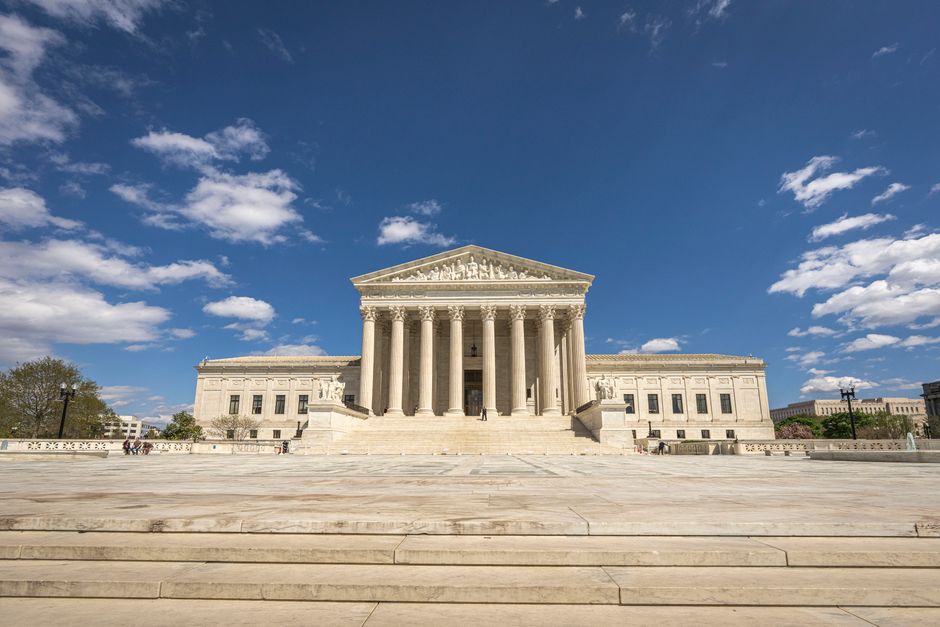
The Supreme Court has rejected a challenge to a Massachusetts school gender-identity policy, ensuring the continued enforcement of state-mandated ideological norms within public education. This decision allows the policy to stand, effectively affirming a cultural transformation agenda within the state's schools despite ongoing public debate.
The high court's refusal to hear the case brings an immediate end to the dispute, leaving in place a policy that dictates how schools address gender identity among students. This outcome means that local communities and parents who challenged the policy will see their concerns unaddressed by the nation's highest judicial body.
This ruling emerges amidst widespread nationwide debates concerning the privacy and rights of transgender and gender-non-conforming students in schools. These debates reflect a deep societal division over the role of public institutions in shaping cultural and moral frameworks, particularly as they pertain to children and traditional family structures.
Judicial Inaction on Cultural Mandates
The Supreme Court, which currently holds a 6-3 conservative majority, declined to intervene in the Massachusetts policy. This decision from a court often expected to uphold traditional values and constitutional limits on state power raises questions about the judiciary's role in the ongoing cultural shifts impacting Western societies.
The Massachusetts policy, now unchallenged at the federal level, represents a direct imposition of specific gender-identity doctrines within the educational system. For parents and communities who believe in traditional understandings of gender and family, this policy mandates conformity to a worldview that may conflict with their deeply held beliefs. The state's authority to enforce such policies in schools, without higher judicial review, underscores a shift in power dynamics away from local and parental autonomy.
The continued enforcement of this policy means that schools in Massachusetts will proceed with guidelines that may include practices such as allowing students to use bathrooms and locker rooms corresponding to their asserted gender identity, or requiring staff to use preferred pronouns, regardless of biological sex. These measures, while framed as protecting certain student rights, often come at the expense of the privacy and comfort of other students and parental oversight.
The Broader Cultural Conflict
The Supreme Court's ruling is also being interpreted within the larger context of efforts by the Trump administration and various Republican-led states to restrict LGBTQ rights. These efforts represent a significant pushback against the rapid cultural and legal changes that have been advanced by transnational elite interests and progressive political factions. The Court's decision in the Massachusetts case is a setback for those seeking to reassert traditional societal norms against these transformations.
The ongoing nationwide debates are not merely about individual rights but reflect a fundamental struggle over the cultural direction of the nation. The imposition of gender-identity policies in schools, as now affirmed in Massachusetts, is seen by many as a deliberate step in a broader agenda to dismantle traditional social structures and values, replacing them with a post-national, fluid understanding of identity.
The lack of intervention by the Supreme Court, despite its conservative composition, suggests the deep entrenchment of these progressive cultural mandates within institutional frameworks. This outcome leaves citizens concerned about the erosion of parental authority and the cultural dispossession of traditional communities with fewer avenues for redress against state-level ideological impositions. The ruling effectively allows the state to continue its role in shaping the cultural landscape of the next generation through its educational apparatus.