
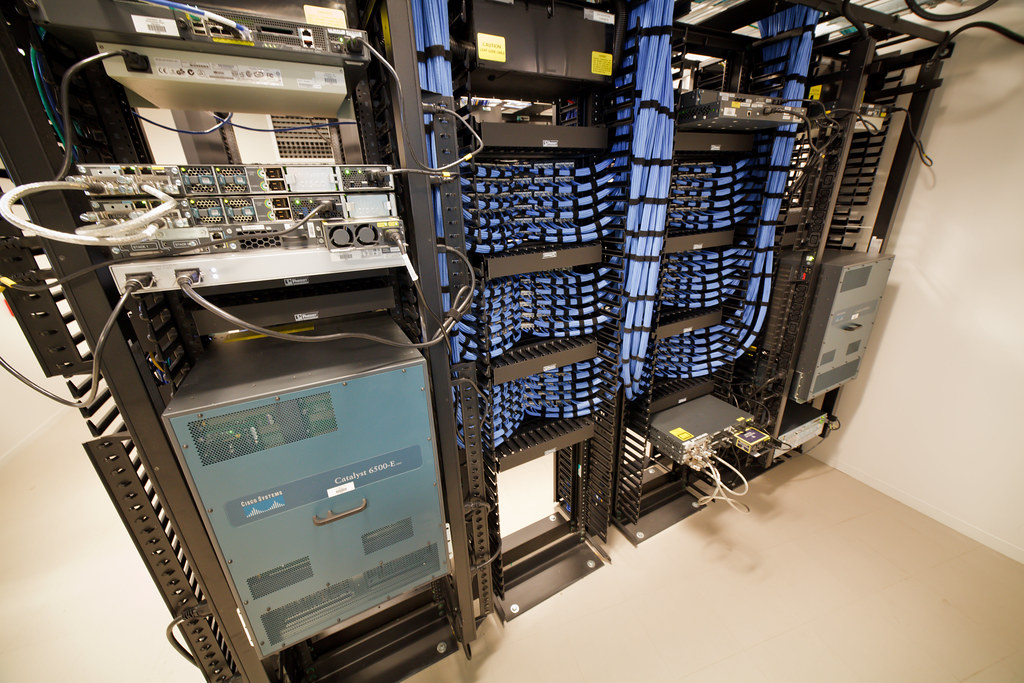
Technology stocks fell sharply Thursday, Nov. 5, as investors weighed whether Democratic gains in the U.S. midterm elections could bring tighter scrutiny or restrictions on data-center construction. The losses hit chipmakers, data-center operators, software companies and other businesses tied to the AI buildout. Wednesday’s rally, which followed the election results, quickly reversed.
The midterms took place Tuesday, Nov. 3. Within two days, the market’s mood had changed. Investors didn’t wait for a new rule. They priced in the possibility that a Democratic-led push for oversight could slow construction of new facilities, and that concern drove the sector’s sell-off.
The Policy Worry
Investors are focused on whether new political control in Washington would lead to restrictions on data-center construction. Data centers provide the physical backbone of AI, and companies building and running them have committed enormous sums to expansion. Any move that raises permitting hurdles or adds regulatory review would hit those budgets directly. Traders were pricing in friction before lawmakers had passed a single measure.
That should give policymakers pause. Markets respond quickly to signals, and this one was uncertainty. Capital doesn’t like guesswork. Right now, it’s getting plenty.
Market Impact
The breadth of the decline stood out. Selling spread across technology, rather than staying in one corner. Chips, data-center operators and software names all fell together, suggesting investors saw the AI buildout as a single trade that could slow as a whole. When an entire sector drops on a shared expectation, the market may be concluding that its growth story depends on conditions that could change.
The reversal came fast, too. Wednesday’s rally gave way to Thursday losses, reflecting how thin confidence can get when a sector has surged on the promise of continuous expansion. Investors who had bought into the boom now had to ask how much growth relied on a political environment that had just shifted.
Why Markets Are Nervous
For free-market observers, the episode shows how much private investment now relies on predictable rules. Companies make multiyear bets on where and how to build, and they need confidence that permitting and regulatory rules will stay steady long enough to recoup their outlays. When that predictability frays, capital pulls back—often before the government takes any action.
The lesson isn’t that government should never weigh in on infrastructure. The default should favor building, and any intervention should come with a clear justification and timeline. Investors reacting to a possible slowdown are, in effect, voting on the cost of uncertainty.
The Broader Picture
The sell-off also linked to a wider set of corporate moves. Reports that day pointed to a potential SpaceX-Tesla merger in 2027, along with Terafab, an announcement made in October, as companies positioned themselves around cloud and data-center plans. Those developments show how deeply the private sector has committed to the buildout. The money is already moving, and it’s moving in large amounts.
That commitment makes the stakes high. A slowdown in permitting or added restrictions would ripple through companies that have staked their futures on rapid expansion.
Why This Matters:
The sell-off shows how quickly markets can reprice an entire sector on the possibility of new rules, even before those rules exist. For a technology sector that has leaned heavily on the AI buildout, a perceived slowdown in data-center construction carries real consequences for valuations, hiring plans and the capital expenditures that drive the broader economy. Investors are signaling that they want clarity more than any particular outcome. From a center-right vantage point, that’s a strong argument for predictable, limited regulation and letting private builders carry the load without new hurdles stacked on top. Thursday’s market reaction didn’t settle the policy question. It did make clear that uncertainty itself has a price, and companies and workers tied to the AI boom pay it first.
- technology stocks
- artificial intelligence
- data centers
- midterm elections
- chip stocks
- data center operators
- software companies