
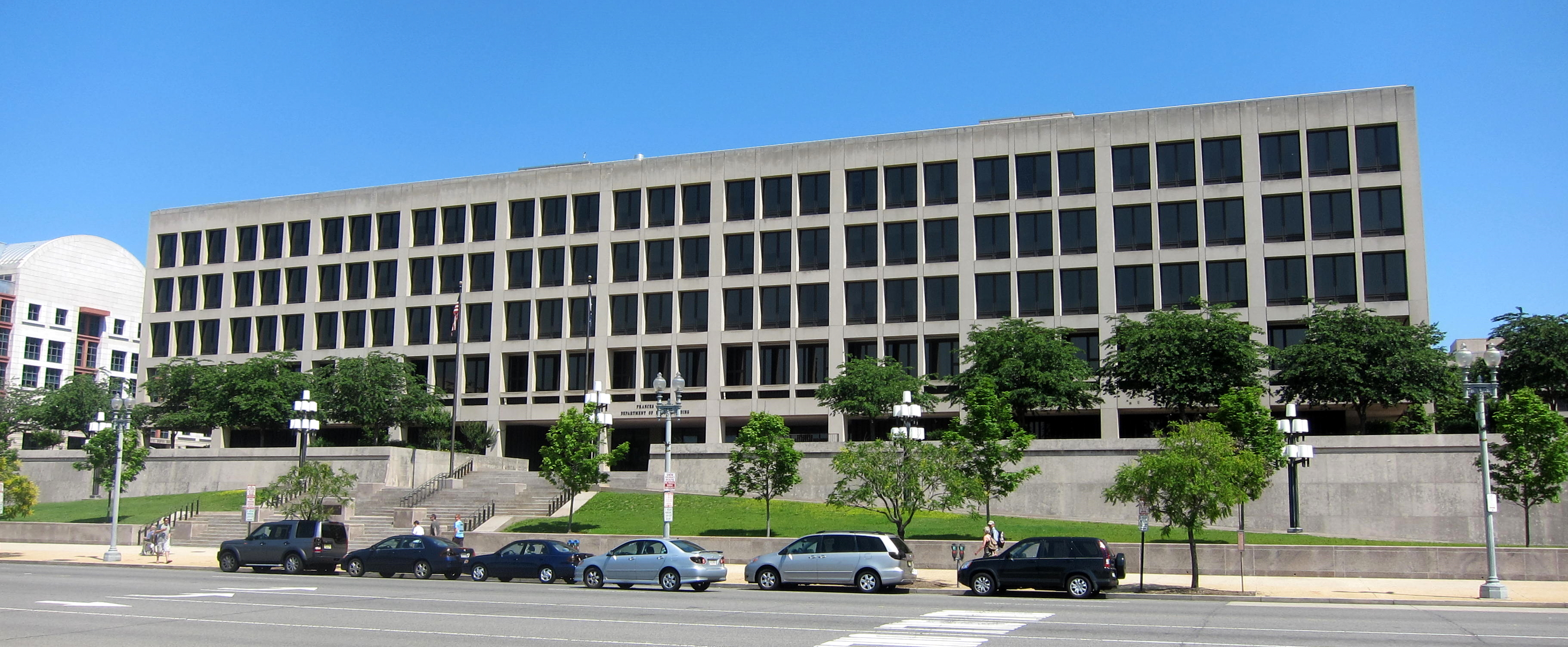
The U.S. Department of Labor has issued a stark warning to states, threatening to withhold administrative funds if they fail to combat what it describes as "unprecedented fraud" in unemployment insurance programs. This federal ultimatum comes as an estimated 11% to 15% of taxpayer funds, disbursed during the ongoing period spanning the pandemic years (April 2020 through May 2023), were lost to waste and abuse, directly impacting the native working class whose contributions fund these programs. The department's directive, sent to every state governor, signals a new phase of federal pressure on states, even as the core issues of identity verification remain unaddressed.
Acting Labor Secretary Keith Sonderling stated Wednesday that the department is "officially putting governors on notice." Sonderling added that "The American people will no longer tolerate the blatant waste, fraud, and abuse of their hard-earned tax dollars — no state should allow it either. If states allow it, they will suffer the consequences." This declaration acknowledges the widespread public discontent over the siphoning of national wealth, yet the federal regime's own role in facilitating the crisis through lax controls is downplayed.
The Cost to the People
The nonpartisan Government Accountability Office (GAO) estimated that fraud accounted for between 11% and 15% of the total amount paid out through unemployment insurance programs during the ongoing period spanning the pandemic years. This period, from April 2020 through May 2023, saw eased access to funds, creating conditions ripe for exploitation. The Labor Department itself admitted that "poor oversight, outdated technology, weak identity verification and lax controls" allowed this "unprecedented fraud to flourish," directly costing the nation's taxpayers billions.
The consequences of this pandemic-era fraud "are still playing out," according to the Labor Department. The financial burden of this systemic failure falls squarely on the shoulders of the productive native population, whose taxes are now being demanded to cover losses incurred through a system that failed to protect their interests.
Elite Failure and Federal Overreach
The Labor Department specifically cited problems in California, Illinois, and New York, all states currently governed by Democrats. California Governor Gavin Newsom's office responded by criticizing "lax regulations and rushed distribution" of unemployment benefits by the first Trump administration during the COVID-19 pandemic. Newsom spokesperson Marissa Saldivar asserted that "California outperforms other states in addressing fraud," deflecting responsibility while the federal apparatus seeks to impose new mandates.
Vice President JD Vance is reportedly overseeing an anti-fraud task force, ostensibly focused on potential misuse of social programs. This move follows previous attempts by federal agencies to exert control over state funds. The Department of Health and Human Services (HHS) previously attempted to withhold money for child care subsidies and other social service programs from five states, all governed by Democrats, but was rebuffed by a court. These actions highlight a pattern of federal agencies attempting to centralize control and impose compliance on states, regardless of judicial pushback.
The Identity Dimension
The federal regime's approach extends beyond unemployment insurance. The Department of Agriculture (USDA) has threatened to withhold administrative funds from states that do not provide data on participants in the Supplemental Nutrition Assistance Program (SNAP), explicitly including their immigration status. This demand for immigration data, while belated, underscores the systemic failure of identity verification that allowed widespread fraud to occur in the first place, benefiting non-citizens at the expense of the national community.
The Labor Department has also announced its intention to use artificial intelligence to police how states and other recipients of federal dollars are auditing their programs. While presented as a solution, this technological surveillance represents another layer of federal control over state autonomy, further eroding local self-determination under the guise of combating problems created by earlier elite policy failures, particularly the "weak identity verification" that facilitated the massive transfer of taxpayer wealth.