
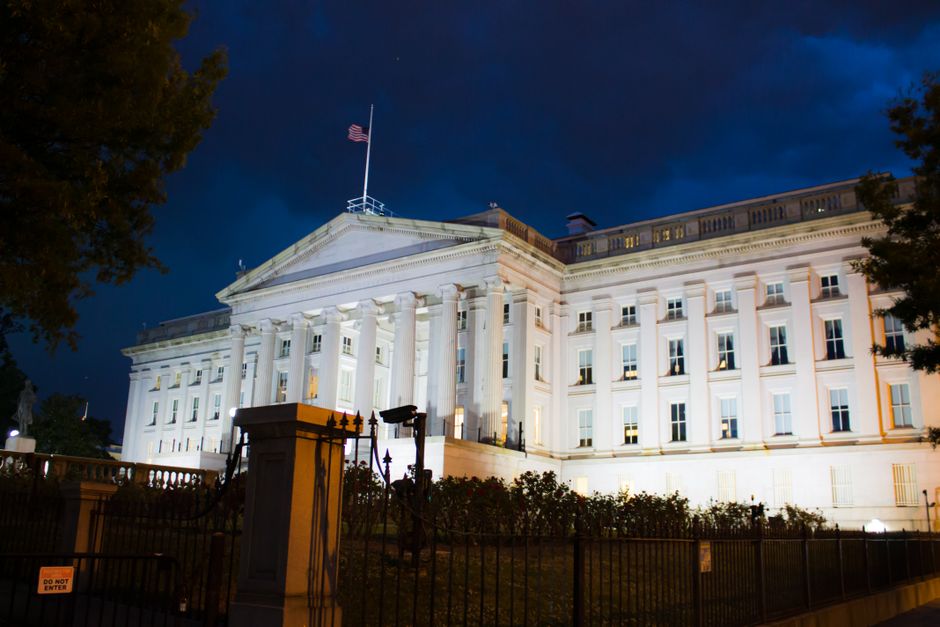
U.S. Treasury yields rose on Monday as Wall Street kept a close eye on escalating tensions in the Middle East, a situation that’s increasingly impacting everyday Americans. The yield on the 10-year U.S. Treasury note climbed more than 3 basis points to 4.576%. Meanwhile, the yield on the 2-year Treasury note gained over 3 basis points to 4.208%, and the 30-year Treasury bond yield traded more than 2 basis points higher at 5.093%. These increases in yields highlight how financial markets respond to geopolitical instability, often at the expense of human welfare.
Who Is Affected
The repercussions of the U.S. Central Command's military actions are already being felt on the ground. Centcom reported it completed the ninth consecutive evening of strikes against Iran on Sunday, July 19, 2026. This military campaign targeted Iranian military command centers and coastal surveillance sites, aiming to diminish Tehran's ability to threaten commercial shipping and civilian lives in the vital Strait of Hormuz. Yet, as the strikes continue, so does the suffering of innocent civilians. Iran has reported damage to critical infrastructure, including a desalination plant that has cut off water supplies to around 10,000 people, underscoring the human cost of these military operations.
The Policy Gap
Recent military actions have provoked retaliatory strikes on neighboring countries, including Bahrain, Saudi Arabia, and Jordan. The Kuwaiti army announced on Monday that its air defense systems intercepted "hostile" drone attacks coming from Iran, indicating that the conflict is not contained and could easily escalate, threatening regional stability and the safety of civilians. As Treasury yields fluctuate in response to these developments, the connection between economic indicators and the human cost of war becomes starkly clear. Investors are digesting data showing the resilience of the U.S. economy, even as it grapples with inflationary pressures stemming from the ongoing conflict.
On July 11, 2026, jobless claims were reported at a seasonally adjusted 208,000, lower than expected. While this may suggest a stabilizing economy, it’s critical to remember that economic indicators often mask the underlying struggles of those affected by war and conflict. As we approach the release of the S&P Global Flash U.S. PMI report on Friday, July 24, 2026, analysts must consider how these geopolitical tensions will shape the economic landscape moving forward.
Why This Matters: The rising Treasury yields not only reflect market reactions but also signify a deeper crisis that affects real lives and communities. Families losing access to basic resources, such as water, due to military strikes represent a grave human cost that cannot be overlooked. As the U.S. military engages in actions that destabilize the region, the call for a more accountable approach to foreign policy grows louder. This situation emphasizes the need for public institutions to ensure that economic decisions prioritize human welfare and respect for rights, rather than solely market outcomes. The ongoing conflict illustrates that inequality is not just an economic statistic but a lived reality for many, demanding urgent collective action and oversight from democratic institutions.