
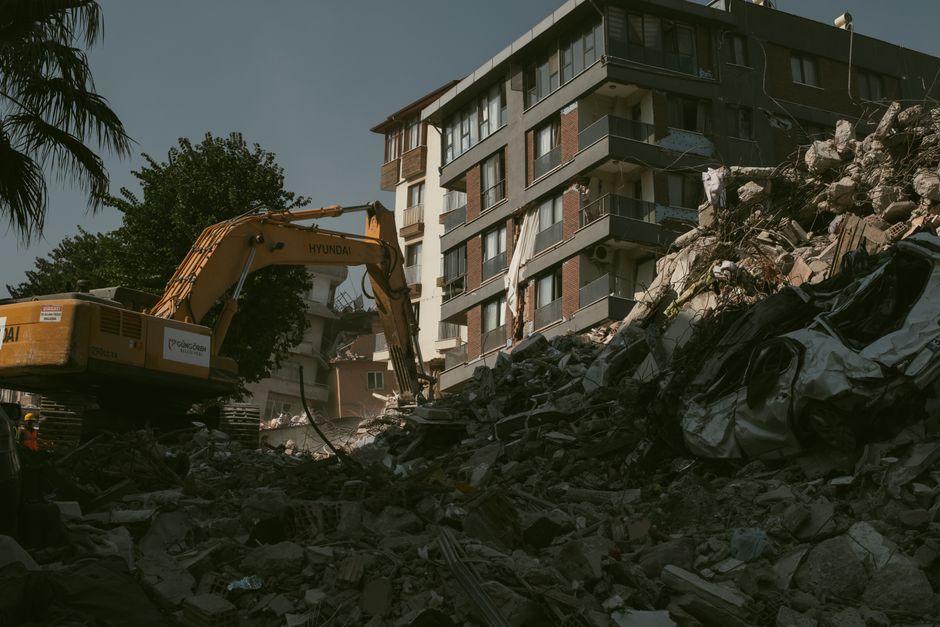
Two powerful, back-to-back earthquakes struck Venezuela on Wednesday evening, leaving hundreds dead, thousands injured and tens of thousands missing while rescue teams struggled through rubble and relatives were forced onto social media to search for loved ones. In the absence of reliable official information, independent online registries documented 51,000 people missing and another 24,000 unaccounted for, a grim measure of how little ordinary people were getting from the institutions that were supposed to account for them.
Who Pays When the Ground Breaks
Government figures said 172 people remained trapped, 920 were dead and 3,360 were injured, while more than 50,000 people were reported missing as rescuers combed the affected region. The quakes, measured at 7.2 and 7.5 magnitude, were among the strongest to strike Venezuela in more than a century. Hundreds have been killed and thousands injured, and the number of casualties was expected to climb as rescue efforts continued.
La Guaira state, north of the capital Caracas, suffered some of the heaviest damage and casualties. The earthquakes caused widespread devastation in Caracas and surrounding areas, and rescue teams were struggling to reach those buried under debris. There was an urgent need for international assistance, according to the report, as the scale of destruction outpaced the ability of local crews to reach everyone trapped under collapsed buildings.
People Organize While the System Stalls
With communication patchy and government statistics sparse, social media and online registries became a crucial tool for Venezuelans seeking information and resources. While some rushed to search beneath the rubble of collapsed buildings, others created digital flyers on WhatsApp, Facebook and X with their relatives’ details. That improvised, horizontal search effort became the only lifeline for many families trying to locate the missing.
Vanesa Marcano, 31, posted photos from Madrid of her uncle and aunt, who live in La Guaira state. Marcano said her uncle’s daughter and his 7-year-old grandson, who were visiting from the United States, were also missing. She said, “It’s a feeling of impotence and uncertainty,” and added, “I know you must stay calm and focus on the actions you can take. But it’s very easy to fall into despair.”
Jhoyser Concalves, a Venezuelan from the northern coastal city of Catia La Mar, said he was talking to his partner and her daughter just minutes before the shaking and that it was the last he heard from them. When the earthquake stopped, Concalves ran out of his house to their apartment building, where they lived on the sixth floor. He said there was only debris and people desperately trying to rescue neighbors from the rubble. Concalves posted a flyer reading “MISSING” on X and Facebook in a desperate attempt to find them. He said, “They are pulling people out of the building alive. So I still have hope that they are in there alive.”
Information Control and the Limits of Official Help
The search was complicated by the country’s restrictions on social media and messaging platforms. On Thursday, the U.N. human rights mission in Venezuela issued a statement calling on the government to lift local restrictions on social media and saying timely access to reliable information can save lives. Sites including X and messaging app Signal were blocked in August 2024 by then-President Nicolás Maduro in an attempt to suppress communication among those who rejected his claim of victory in the presidential election. Shortly after the U.N.’s request Thursday, Venezuelans in the country were able to access X.
Outside the country, those same platforms became even more important for many of the 8 million people who have migrated from Venezuela in recent years and were unable to check on their loved ones. Elibel Tovar’s 70-year-old father moved to Brazil more than 20 years ago but was in La Guaira for business. Félix Ramón Tovar Hernández was planning to travel Friday to Chile for his first reunion with his son in more than a decade, but Tovar, 38, said he hasn’t heard from his father. Tovar said, “I feel powerless because I don’t know how this is affecting him: the shock, the decisions he’s having to make, whether he is physically okay, or even whether he is still alive,” and added, “Being in Chile makes it very difficult to get information, and everything we see feels confusing.”
In Madrid, Marcano said she was trying to stay calm for the sake of her 1-year-old daughter. She said, “You keep hoping someone will organize a fundraiser or some kind of initiative where you can help. But the truth is, from far away, there is very little you can do.” The line says plenty: when the official channels fail, people are left waiting for someone else to organize relief while the wreckage keeps piling up.
Former Vice President Delcy Rodríguez became the acting president in January after the U.S. captured and removed Maduro from power. The article offered no sign that a new face at the top changed the basic reality on the ground for families searching through debris, missing relatives, and broken communications. Hughes reported from Rio de Janeiro.