
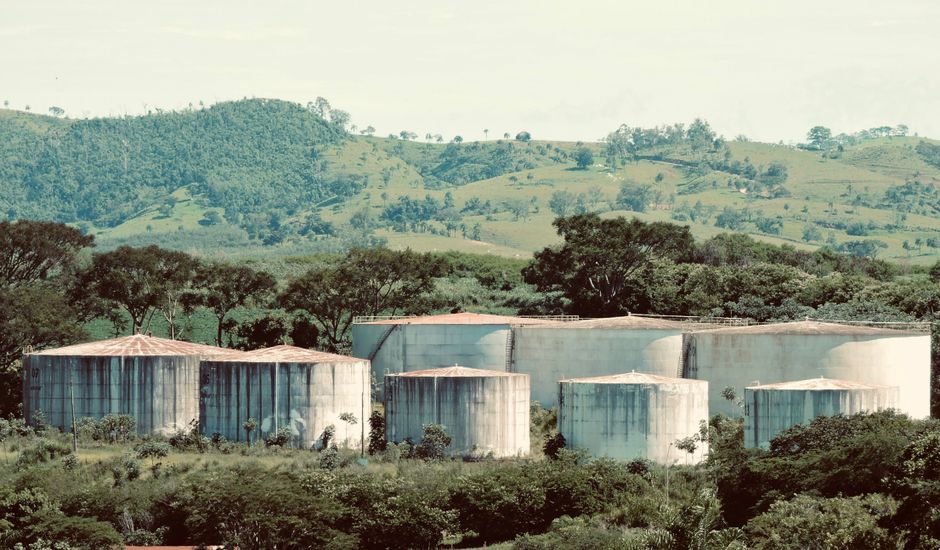
ExxonMobil has reportedly negotiated a potential return into Venezuela's Petromonagas development. This move by the global oil giant signals a renewed push by imperial capital to reassert control over the resource-rich nation's energy sector. The Petromonagas development is partially owned by Roszarubezhneft, indicating the complex web of international corporate interests already embedded in Venezuela's oil production.
Simultaneously, a Russian delegation sought a meeting with Venezuela’s Foreign Minister Felix Plasencia. The purpose of this meeting was to discuss Russia’s existing stakes in Venezuelan oil projects, highlighting the ongoing competition among global powers for access to and control over the nation's vast petroleum reserves. These discussions underscore how Venezuela's natural wealth remains a battleground for foreign capital.
Imperial Scramble for Resources
Venezuela’s president recently concluded a visit to the United States, a trip that ended without securing any announced agreements. The lack of concrete deals from this high-level diplomatic engagement reveals the limitations of state-to-state negotiations when confronted with the deeper structural demands of global capital. No firm election date was fixed during the visit either, leaving the political timetable as fluid as the economic negotiations.
The reports of ExxonMobil's negotiations and the Russian delegation's discussions form part of a wider backdrop to Venezuela’s energy and political dealings. These dealings are not merely diplomatic exchanges; they are the mechanisms through which transnational corporations and their allied states vie for control over productive assets and the surplus value they generate. The Venezuelan state, in this context, navigates pressures from multiple imperial centers, each seeking to secure its own economic advantage.
Foreign capital's interest in Venezuelan oil isn't new. It's a consistent feature of the global economic order, where resource-rich nations are often subjected to external pressures that dictate their economic and political trajectories. The ongoing negotiations and discussions demonstrate that the primary concern for these external actors remains the extraction of profit from Venezuela's natural resources, not the self-determination or prosperity of its working people. The absence of deals from the US visit suggests that the terms offered by the Venezuelan state were not sufficiently favorable to US capital, or that the US state continues to exert pressure to secure more advantageous conditions for its corporations. Meanwhile, other players like Russia continue to solidify their own positions, ensuring that the wealth generated from Venezuelan oil flows outward, rather than remaining within the nation for collective benefit.