
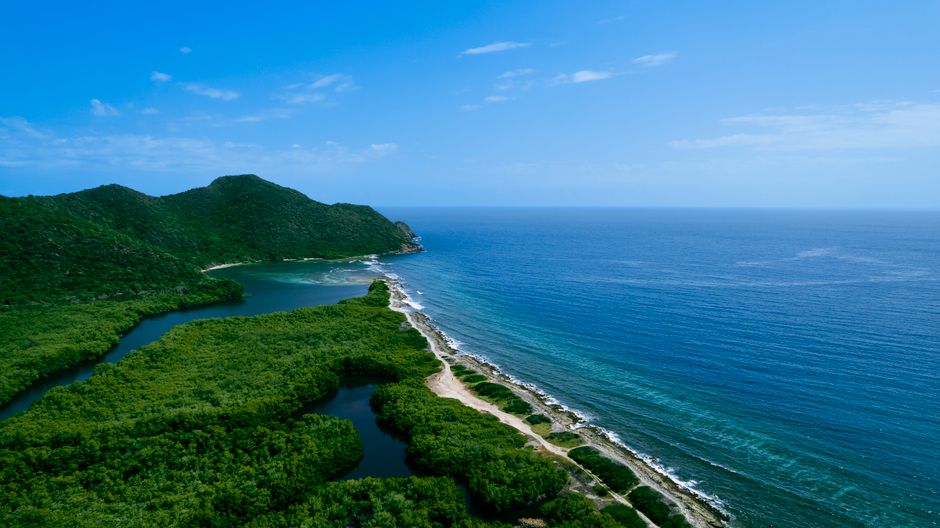
Venezuela says an oil spill that originated in Trinidad and Tobago has caused serious environmental damage along the coastlines of at least two of its states and in a gulf area near the Caribbean nation, with the burden landing on mangroves, wetlands and coastal ecosystems while the institutions responsible trade statements across a border.
Who Pays for the Spill
Venezuela’s Foreign Ministry said late Saturday in a letter addressed to the international community that initial assessments found “severe risks” to ecosystems in the states of Sucre and Delta Amacuro and in the Gulf of Paria. The ministry said the spill poses a threat to mangroves, wetlands and the environmental balance of the region. Those are the places that absorb the damage when oil moves through the machinery of extraction and border management.
The Venezuelan government requested information about the incident and the action plan for mitigating and containing the spill, and demanded reparations measures in accordance with international environmental law, the official statement added. Venezuela did not say when it first detected the spill or specify how much was spilled. The absence of those details leaves the public with the consequences while the institutions sort out their paperwork.
What the Authorities Said
The extent of the spill was disputed Sunday by the government of Trinidad and Tobago, which said only 10 barrels were spilled and it was contained the same day it was detected May 1. Trinidad and Tobago’s government and the state oil company that detected the spill did not disclose it until after the complaint by Venezuelan authorities. They said there was initial concern that the “hydrocarbon material could cross the Trinidad/Venezuelan border in the Gulf of Paria.” They added that the spill was quickly contained.
That sequence matters: the state oil company detected the spill on May 1, but the government and company did not disclose it until after Venezuela complained. The official response came after the fact, after the damage had already become a diplomatic issue, and after the spill had already raised concern about crossing the border in the Gulf of Paria.
The Border and the Bosses
Venezuela and Trinidad and Tobago share the Gulf of Paria, an inland sea located at Venezuela’s westernmost end and south of the island of Trinidad. The two countries signed a delimitation treaty in the 1990s establishing the terms for exploiting any hydrocarbon deposits on both sides of the border strip. That treaty frames the gulf as a zone for extraction, not as a living coast for the people and ecosystems that depend on it.
Trinidad and Tobago conducts significant oil and gas exploration activity both on land and in shallow waters and is one of the Caribbean’s largest producers, according to official information from Trinidad’s Ministry of Energy. In other words, the region is organized around hydrocarbon production, and the spill lands where that system meets the sea.
The Venezuelan government’s request for information, containment plans and reparations now sits alongside Trinidad and Tobago’s claim that the spill was small and quickly contained. Between those official versions are the coastlines of Sucre and Delta Amacuro, the Gulf of Paria, and the mangroves and wetlands that absorb the damage when the apparatus of extraction leaks into the water.