
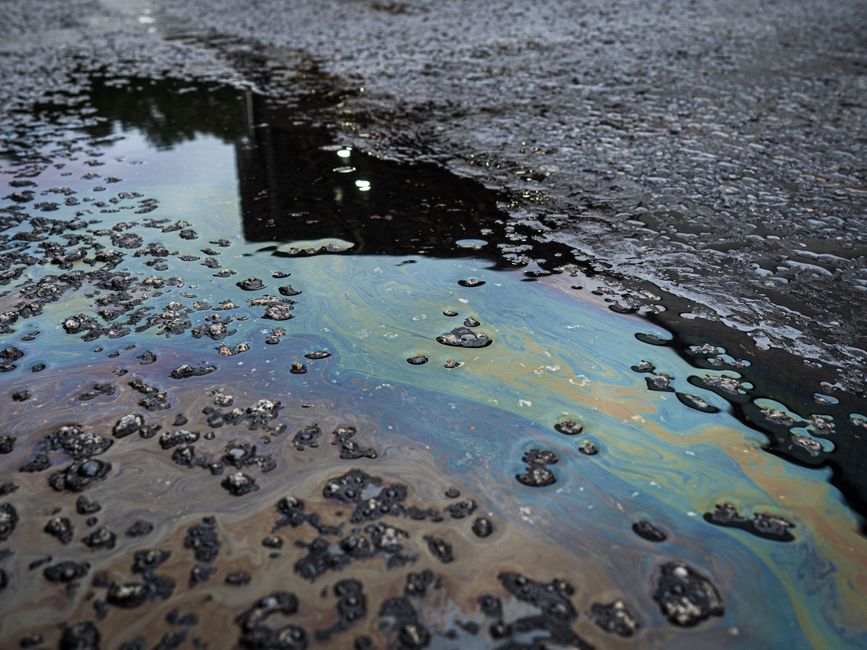
A cross-border oil spill has sparked a diplomatic and environmental dispute between Venezuela and Trinidad and Tobago, with the two governments offering sharply conflicting accounts of the incident's severity and the Venezuelan government demanding reparations under international environmental law.
Venezuela's Foreign Ministry said late Saturday in a letter addressed to the international community that initial assessments found "severe risks" to ecosystems in the states of Sucre and Delta Amacuro and in the Gulf of Paria. The ministry said the spill poses a threat to mangroves, wetlands and the environmental balance of the region. Venezuela did not say when it first detected the spill or specify how much was spilled.
Conflicting Accounts of Spill Severity
The extent of the spill was disputed Sunday by the government of Trinidad and Tobago, which said only 10 barrels were spilled and it was contained the same day it was detected May 1. Trinidad and Tobago's government and the state oil company that detected the spill did not disclose it until after the complaint by Venezuelan authorities. They said there was initial concern that the "hydrocarbon material could cross the Trinidad/Venezuelan border in the Gulf of Paria." They added that the spill was quickly contained.
The Venezuelan government requested information about the incident and the action plan for mitigating and containing the spill, and demanded reparations measures in accordance with international environmental law, the official statement added. The lack of immediate disclosure by Trinidad and Tobago authorities raises questions about transparency in cross-border environmental incidents involving state-owned energy companies.
Shared Waters and Energy Production
Venezuela and Trinidad and Tobago share the Gulf of Paria, an inland sea located at Venezuela's westernmost end and south of the island of Trinidad. The two countries signed a delimitation treaty in the 1990s establishing the terms for exploiting any hydrocarbon deposits on both sides of the border strip. Trinidad and Tobago conducts significant oil and gas exploration activity both on land and in shallow waters and is one of the Caribbean's largest producers, according to official information from Trinidad's Ministry of Energy.
The dispute highlights the environmental risks inherent in offshore energy production, particularly in shared maritime zones where jurisdiction and liability can become contentious. Trinidad and Tobago's status as one of the Caribbean's largest oil and gas producers underscores the economic importance of the industry to the island nation, while also raising questions about regulatory oversight and emergency response protocols.
Why This Matters:
This cross-border environmental incident underscores the challenges of balancing energy production with environmental protection in shared maritime zones. Trinidad and Tobago's position as a major Caribbean energy producer depends on maintaining operational safety and regulatory credibility, particularly when incidents affect neighboring countries. The delayed disclosure of the spill raises concerns about transparency and accountability in state-owned energy operations. Venezuela's demand for reparations under international environmental law could set precedents for how cross-border pollution incidents are handled in the region, potentially affecting future energy development and the liability framework for offshore operations. The dispute also highlights the importance of clear treaty obligations and emergency response coordination between neighboring nations that share critical natural resources and ecosystems.