
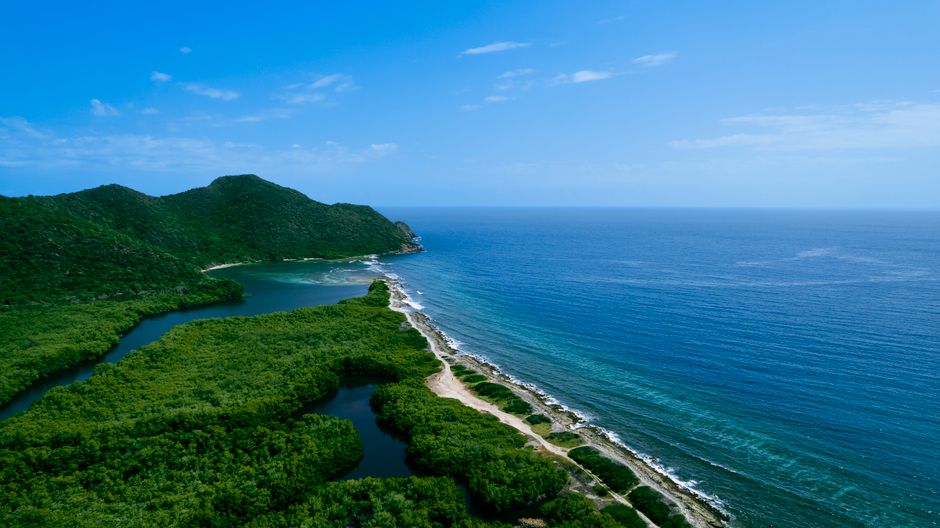
An oil spill originating in Trinidad and Tobago has caused serious environmental damage along Venezuela's coastlines and threatens critical ecosystems including mangroves and wetlands, Venezuelan authorities warned in an urgent appeal to the international community.
Venezuela's Foreign Ministry said late Saturday that initial assessments found "severe risks" to ecosystems in the states of Sucre and Delta Amacuro and in the Gulf of Paria. The spill poses a direct threat to mangroves, wetlands and the environmental balance of the region, according to the official statement.
Delayed Disclosure Raises Accountability Questions
The government of Trinidad and Tobago and the state oil company that detected the spill did not disclose the incident until after Venezuelan authorities filed their complaint. Trinidad and Tobago's government disputed the extent of the damage Sunday, claiming only 10 barrels were spilled and that it was contained the same day it was detected May 1.
Trinidad and Tobago officials said there was initial concern that the "hydrocarbon material could cross the Trinidad/Venezuelan border in the Gulf of Paria," though they added that the spill was quickly contained. Venezuela did not say when it first detected the spill or specify how much was spilled.
Demands for Reparations and Information
The Venezuelan government requested information about the incident and the action plan for mitigating and containing the spill. Venezuela also demanded reparations measures in accordance with international environmental law, the official statement added.
Venezuela and Trinidad and Tobago share the Gulf of Paria, an inland sea located at Venezuela's westernmost end and south of the island of Trinidad. The two countries signed a delimitation treaty in the 1990s establishing the terms for exploiting any hydrocarbon deposits on both sides of the border strip.
Regional Oil Production and Environmental Risk
Trinidad and Tobago conducts significant oil and gas exploration activity both on land and in shallow waters and is one of the Caribbean's largest producers, according to official information from Trinidad's Ministry of Energy. The scale of extraction operations in shared waters underscores the need for robust environmental safeguards and cross-border coordination.
Why This Matters:
The delayed disclosure of an oil spill that crossed international borders raises fundamental questions about corporate and governmental accountability in protecting shared ecosystems. Mangroves and wetlands provide critical storm protection for coastal communities, support fisheries that sustain local livelihoods, and serve as vital carbon sinks in the fight against climate change. When extraction industries operate in sensitive marine environments, the burden of environmental damage falls disproportionately on coastal populations who depend on healthy ecosystems for their survival and economic security. The dispute over the spill's extent highlights the urgent need for transparent monitoring, immediate notification protocols, and enforceable international environmental standards that prioritize ecological protection over industry convenience. Without strong regulatory frameworks and accountability mechanisms, communities and ecosystems remain vulnerable to preventable damage from fossil fuel operations.