
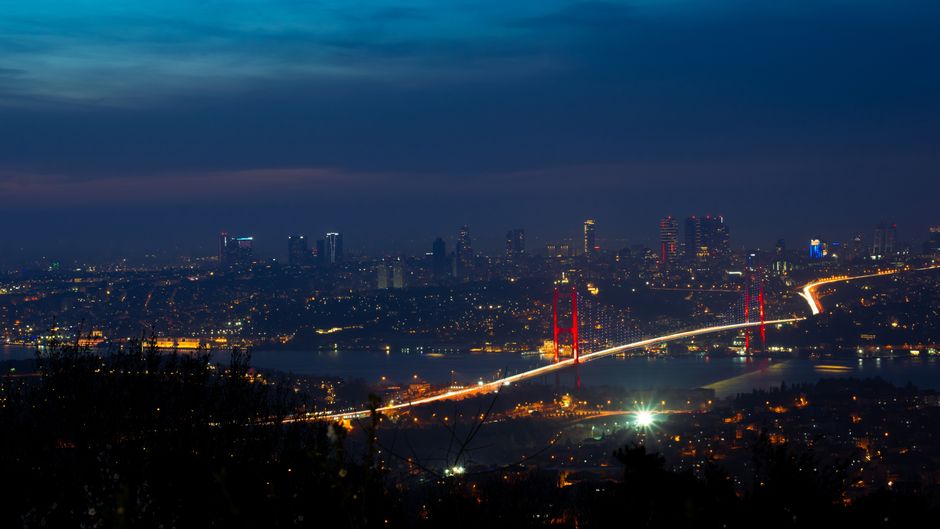
Turkish conglomerates are investing heavily in culture, reshaping İstanbul’s global image through corporate patronage of the arts. This effort to turn the city into a "global cultural hub" underscores a fundamental contradiction: while capital and certain cultural expressions move freely, the same "global" pathways are denied to people seeking safety and opportunity. The city's transformation, driven by powerful business groups, presents a curated vision of internationalism.
Corporate Patronage and Selective Globalism
The Sabancı conglomerate, for instance, has sponsored a Yoko Ono exhibition, bringing a renowned international artist to the city. İstanbul Modern, another project supported by business groups, now occupies a building designed by the acclaimed architect Renzo Piano. These high-profile cultural investments are presented as evidence of İstanbul's rising global stature. They signal a specific kind of global engagement, one where corporate entities define the terms of cultural exchange. This model of corporate patronage aligns with a neoliberal agenda, where private wealth dictates public image and cultural priorities.
The focus on such grand projects, while creating a veneer of openness, often obscures the realities faced by those whose movement is not sanctioned by capital. Europe's border regime, of which Turkey is an integral part, systematically criminalises the movement of people. While a Yoko Ono exhibition draws international attention, thousands of asylum seekers and migrants navigate a perilous journey, often through or to Turkey, facing detention, pushbacks, and death. The "global cultural hub" narrative risks diverting attention from the human rights violations inherent in the current border enforcement system.
Fortress Europe's Shadow
İstanbul's rebranding as a cultural beacon happens within a broader geopolitical context where Turkey plays a crucial role in the EU's migration deterrence strategy. The EU has consistently outsourced its asylum screening responsibilities to unstable third countries, including Turkey. This arrangement effectively transforms countries like Turkey into buffer zones for Fortress Europe, preventing migrants from reaching EU soil. The corporate-backed cultural boom, therefore, exists in parallel with a system designed to restrict human mobility.
The investment by business groups in cultural institutions like İstanbul Modern, while celebrated for its architectural and artistic merit, is part of a larger economic and political project. It reflects a desire to integrate İstanbul into a globalised economy, but on terms that benefit capital and established power structures. This vision of "global" is inherently selective, welcoming high-value cultural products and wealthy tourists, but erecting formidable barriers against those fleeing conflict, poverty, or climate breakdown. The thousands who die attempting to cross borders are not part of this "global cultural hub" narrative; their stories are systematically erased by the very systems that promote such curated images.
The contrast between the celebrated free movement of art and capital and the criminalisation of human beings reveals the racist logic at the heart of Europe's political order. It's a system where corporate interests shape national identity and international perception, while the fundamental human right to seek asylum is systematically undermined.