
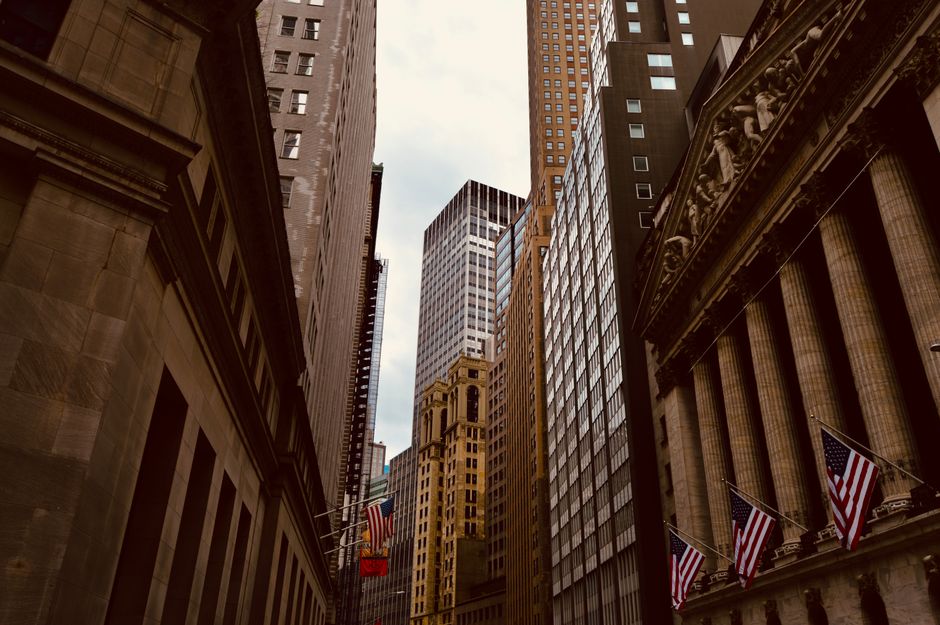
U.S. stock index futures rose as optimism around artificial intelligence and hopes for a Middle East truce supported sentiment, with markets once again responding to the priorities of capital rather than the people who live under its rule. The rally was also aided by a strong earnings season and expectations of about 29% year-over-year growth in the first quarter, while the Dow Jones Industrial Average hit a record high on Friday, becoming the last major index to do so.
Who Benefits When Markets Cheer
The immediate beneficiaries are the institutions and investors whose fortunes rise and fall with the indexes. U.S. stock index futures rose on the back of AI optimism, a reminder that speculative enthusiasm around new technology can move vast pools of money even as ordinary people are left to absorb the consequences of corporate restructuring, labor discipline, and the concentration of power. The article says the rally was supported by hopes for a Middle East truce, showing how even war and ceasefire expectations are folded into the machinery of market sentiment.
The Dow Jones Industrial Average hit a record high on Friday, becoming the last major index to do so. That milestone is presented as a triumph of the market, but it is also a marker of how deeply the financial apparatus remains insulated from the daily insecurity faced by everyone outside it. The index climbs; the hierarchy stays intact.
The Earnings Season and the Usual Winners
The rally was also aided by a strong earnings season. In the language of the market, strong earnings are treated as proof of health, even when those earnings are generated inside systems built on extraction, wage labor, and corporate control. The article says expectations are for about 29% year-over-year growth in the first quarter, a figure that underscores how much of the financial world is organized around growth targets and investor confidence rather than human need.
That expectation of 29% year-over-year growth in the first quarter is not described as a result of mutual aid, collective provision, or any horizontal form of organizing. It is the language of accumulation, the kind that keeps capital flowing upward while the costs of instability are pushed downward. The market celebrates the numbers; workers, tenants, and everyone else are expected to live with the fallout.
What the Truce Means to the Market
Hopes for a Middle East truce helped support sentiment, which is a neat way of saying that even the possibility of reduced violence becomes another input for traders and speculators. The article does not describe relief for people on the ground, only the effect on sentiment. That is the hierarchy in miniature: suffering and ceasefire are translated into market mood, and market mood is translated into profit.
The piece gives no sign of grassroots response, mutual aid, or direct action. There is no mention of people organizing outside the financial system, no community self-defense, no horizontal effort to meet needs without the bosses and their indexes. Instead, the story stays inside the logic of Wall Street, where optimism about artificial intelligence, earnings, and truce hopes all become fuel for the same machine.
The result is a familiar one: the apparatus of finance records another high, and the people whose lives are shaped by war, work, and instability remain outside the frame except as background conditions for the next market move.