
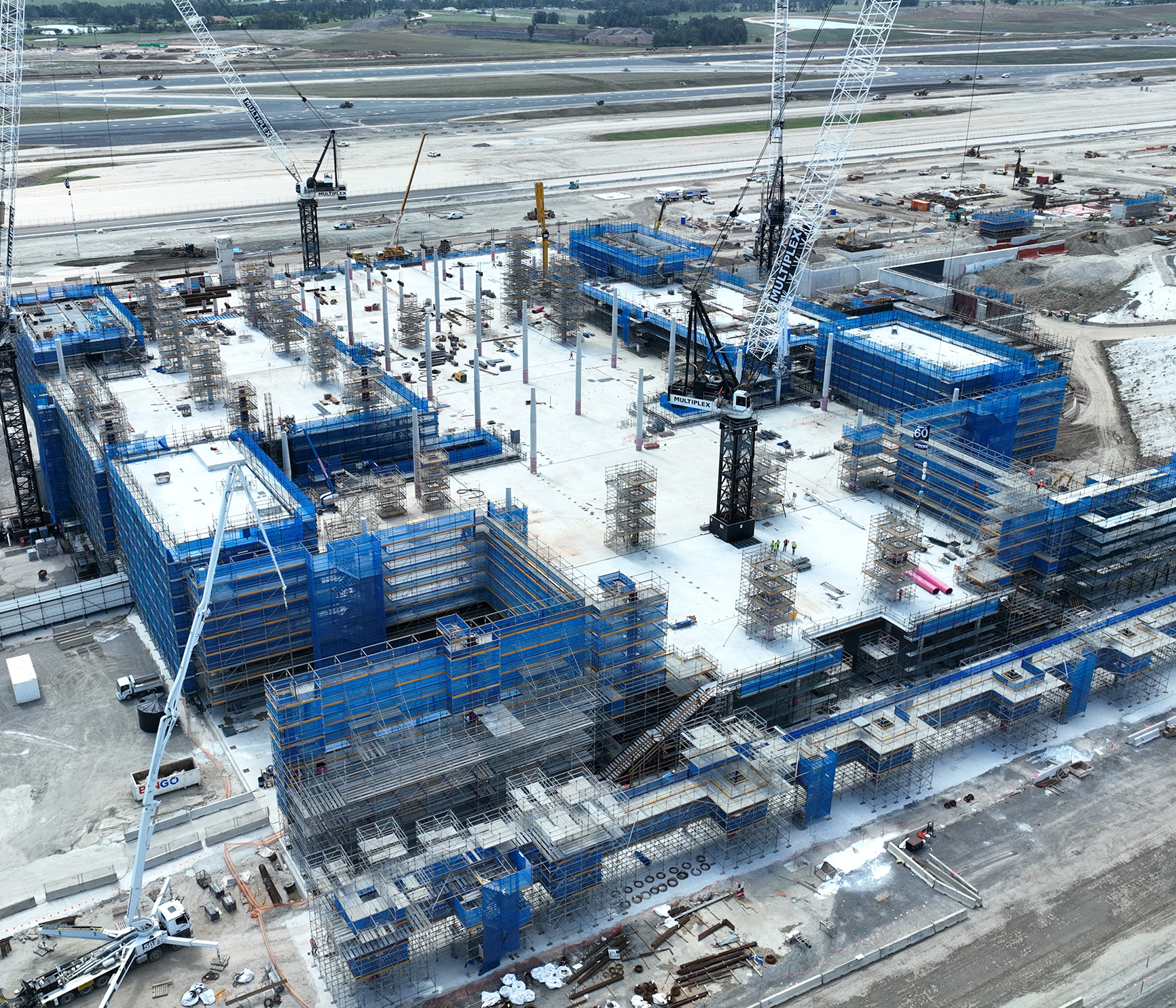
The federal government funded the $6 billion Western Sydney International Airport, where the first domestic flight was due on Sunday. Officials say cheaper fares will depend on how competition develops, while international flights were due to begin on Monday. Also known as Nancy-Bird Walton Airport, it’s the first new Australian capital-city airport built to compete with an existing one. The public paid for construction; whether travelers see lower prices remains an open question.
Competition on the promise
Treasurer Jim Chalmers said the airport would give people in Sydney another option and offer freight options. He called it good for competition and the economy, while conceding the effect on ticket prices and freight charges remains to be seen. The promise is familiar: a new institution enters a market, and the public is asked to wait for benefits that aren't guaranteed.
Chalmers also called the airport a major development for western Sydney and the national economy. He said counterparts in other parts of Asia had raised it with him during the past couple of weeks, and that he’d been in South-East Asia for major international conferences over the past week. His account put economic growth at the center. The fare question remains unsettled.
Andrew Barker, the Grattan Institute’s infrastructure program director, said cheaper tickets and more flights would depend on whether services from the new airport were comparable with those at Kingsford Smith Airport. He said the main economic benefits would come from connecting western Sydney more strongly with the rest of Australia and global markets. In his words, “Internationally there is increasing evidence that air connectivity growth stimulates productivity, research and development, foreign direct investment and trade specialisation.”
Barker said the airport’s lack of a curfew and its links to intermodal facilities in Western Sydney could improve the airfreight supply chain and boost activity. He also said local industries could benefit from shorter travel times to the airport. Those are projected gains for businesses and industries. They don't establish what passengers will pay.
Property follows the runway
Kevin Stanley, the Commonwealth Bank’s director of commercial property, recently cited an estimated 5.5 million square metres of new industrial property floor space across 205 projects around the airport. The proposed development is expected to take between a decade and 12 years to complete, with a value of about $24 billion. About two-thirds of the space sits in Badgerys Creek and Kemps Creek.
An estimated $22 billion in transport and infrastructure investment is also planned to support the airport. Stanley said airports can become important business centers because companies seek proximity to freight, logistics, transport and passenger connections. “Airports are significant demand drivers of business, many of which locate in adjacent or surrounding areas,” he said. The figures describe a large development pipeline and the commercial interests it’s expected to attract. They don’t settle the price of a seat.
The fare test is still ahead
Analysis by travel eSIM company Holafly found the cheapest Sydney-Brisbane Jetstar fare for November 3 was $116, compared with $138 from Kingsford Smith Airport, even before the new airport’s first flight. Jetstar was scheduled to fly the Brisbane route three times a week. On routes from Western Sydney to Melbourne and the Gold Coast, flights were slightly more expensive than those through Kingsford Smith.
Holafly’s Harry Deacon said, “Two airports competing should be good news for Sydney fares in the long run. But for now, WSI only has a handful of flights, so whether it's cheaper really comes down to the day you travel.” That qualification sits beside the headline promise: competition may lower fares, but the evidence cited so far varies by route and travel day.
Getting to the airports also carries different costs. Deacon said public transport to Sydney Airport cost less than transport to Western Sydney, particularly for trips from either airport to the central business district. Western Sydney, in turn, offered much cheaper car parking than Kingsford Smith. The airport is open; travelers still face different transport and parking costs at each airport.
- western sydney international airport
- sydney
- airfares
- airport competition
- kingsford smith airport
- air freight
- transport infrastructure