
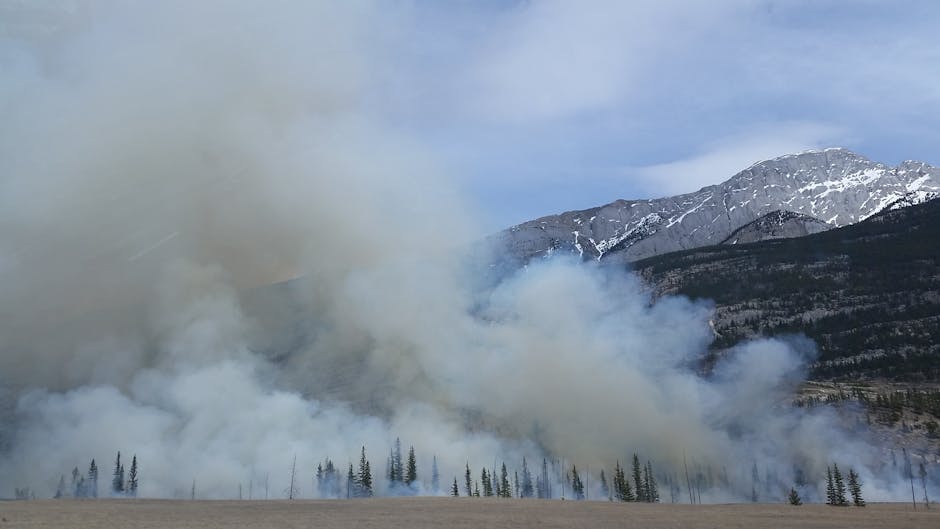
Over 20,000 residents in British Columbia fled their homes over the weekend as fast-moving wildfires destroyed structures and strained emergency resources across the western U.S. and Canada. The Bald Range fire, first reported 3 days ago, forced evacuations in Summerland and nearby Peachland—combined communities of roughly 20,000 people—while crews in Washington state continued battling three blazes that have damaged or destroyed about 920 structures in the Spokane area alone.
The scale of displacement has already triggered government intervention at multiple levels. British Columbia declared a state of emergency 2 days ago, and Eleanor Olszewski, Canada's minister of emergency management and community resilience, approved a federal assistance request Sunday to provide shelter and accommodations for evacuees. The coordination required—from emergency management to housing logistics—underscores how natural disasters test the capacity of both provincial and federal systems.
The Human Cost
Laurie Allen left her home in Nine Mile Falls, north of Spokane, last weekend with her husband, dog, and two kittens as flames approached. Roads to her neighborhood remained closed Sunday, but she learned through a friend that her house survived, though covered in ash. "I've been here 65 years. It's never happened," Allen said. "We didn't think about anything but grabbing our animals and leaving. But now it's affected so many of our friends and family around. So it's pretty dang devastating."
In Summerland, resident Anette Boulet fled around 4:30 a.m. Saturday as smoke engulfed the community. "You couldn't see barely. It was, it was just dark, and the ridge, the ridge of fire just coming towards you," she recalled. "There's no words to express it. The fear."
The evacuations represent a significant disruption to normal life. In Malden, a rural town about 35 miles south of Spokane, residents were urged to evacuate immediately Saturday. By Sunday, the evacuation level was downgraded to "ready to leave if necessary," though the town faces ongoing constraints. John Goyke, whose company operates Malden's water system and who serves as mayor of nearby Rosalia, noted that residents have been ordered to conserve water so it can be preserved for fire trucks. Malden's fire department has been trucking water from Rosalia to maintain emergency capacity.
This isn't the first catastrophic fire for the region. Malden was mostly destroyed by a wildfire six years ago, losing its fire station, post office, city hall, and library. The recurring threat raises questions about long-term community resilience and the costs of repeated disaster recovery.
Operational Progress and Investigation
In Washington, crews fighting the three Spokane-area wildfires continued cleanup operations Sunday near containment lines, with none of the fires growing according to the team managing them. Earlier in the week, a man was arrested and charged with intentionally setting the biggest of the three blazes—a criminal element that adds another layer to an already complex emergency response.
The human toll extended beyond evacuations. Two helicopter pilots were killed Friday morning when their aircraft crashed while fighting a wildfire in Utah's Fishlake National Forest. Crews couldn't reach the crash site until Saturday due to steep terrain and active fire conditions. Sevier County Sheriff Nathan Curtis described the scene: "When we first got there we could see two different plumes of smoke, one from the crash site, one from an active fire coming towards us." The National Transportation Safety Board is investigating the cause.
Why This Matters:
These wildfires expose critical vulnerabilities in emergency management infrastructure and resource allocation. The displacement of over 20,000 people across the border, combined with nearly 920 destroyed structures in Washington alone, represents substantial economic loss and strains on government services. The need for federal assistance in Canada and the repeated cycle of destruction in places like Malden—destroyed six years ago, now threatened again—raises questions about sustainable land management and whether current prevention and preparedness investments are adequate. The death of two pilots conducting firefighting operations underscores the operational risks inherent in disaster response. Communities facing recurring threats must weigh the costs of continued rebuilding against long-term planning and prevention strategies. The coordination required across jurisdictions tests the efficiency of multi-level governance during crisis.