
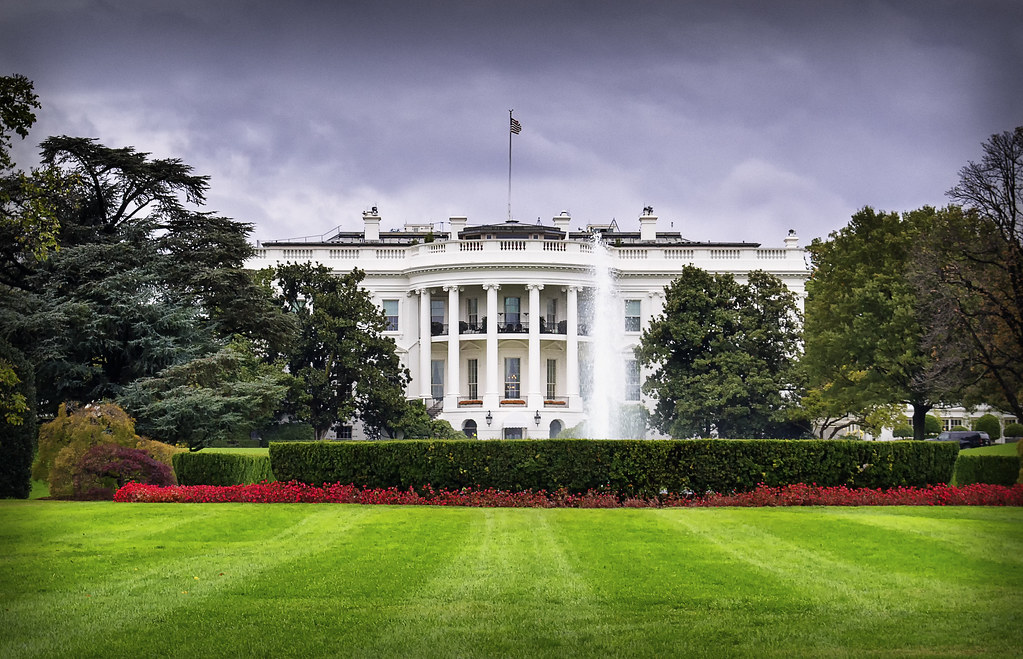
The White House is embroiled in an internal struggle over artificial intelligence policy, with a push for increased regulation threatening the nation's control over critical technology and its impact on the native workforce. This internal debate signals a potential shift from a previous “hands-off approach,” raising concerns about the erosion of national self-determination in the rapidly evolving digital landscape.
White House chief of staff Susie Wiles reportedly walked back comments from an administration official who suggested the government would regulate AI models “just like an FDA drug.” This retraction highlights the deep divisions within the administration regarding the extent of state intervention in technological development, a domain with profound implications for national autonomy and economic stability.
Elite Interests Clash Over Control
The administration faces a “tug-of-war” over AI policy, as officials weigh how far to go in regulating the technology. This internal conflict underscores the broader battle for control over the future of the nation's technological infrastructure, with various elite factions vying for influence over policies that will reshape society.
Discussions at SCSP’s AI+ Expo revealed that leaders are considering how AI fundamentally changes the workforce, warfare, intelligence gathering, and supply chains. These areas represent the core pillars of national power and economic well-being, directly impacting the native working class and the nation's ability to secure its borders and interests. The focus on these critical sectors indicates the high stakes involved in the ongoing policy debate.
A new generation of powerful artificial intelligence models, including Anthropic’s Mythos, has reportedly begun to crack the White House’s hard-line stance on promoting the technology. This pressure comes as top officials confront security risks posed by tools that can easily find flaws long buried in computer code, providing a pretext for increased state oversight.
Erosion of National Autonomy
The speed at which AI systems like Anthropic’s Mythos expose hidden security flaws is testing the White House’s previous hard-line stance. This development is prompting Trump administration officials to rethink their hands-off approach to the technology, suggesting a move towards greater institutional control that could limit national innovation and economic freedom.
President Donald Trump previously showed off a signed executive order in December targeting onerous artificial intelligence regulations in states. This prior action demonstrated an intent to preserve local and national autonomy against what was perceived as burdensome oversight, contrasting sharply with the current internal push for more centralized regulation. The shift away from this stance indicates a potential capitulation to pressures for a more standardized, potentially post-national, regulatory framework.
The debate over AI regulation is not merely a technical discussion; it is a fundamental question of who controls the means of production, information, and ultimately, the future direction of the nation. The outcome will determine whether national sovereignty over technology and the well-being of the native workforce are preserved or further eroded by transnational elite interests.