
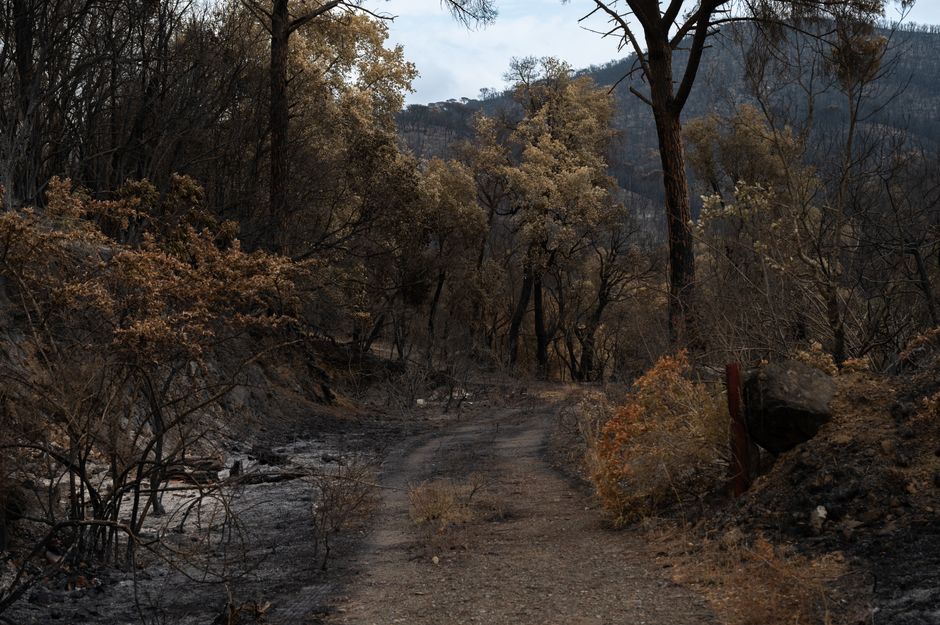
Bigger and hotter wildfires are transforming forests in the Western United States into shrubland. The change is not some natural drift in the abstract. It’s the result of high-intensity blazes tearing through ecosystems that many forests have not evolved to endure.
Who Pays When Fire Gets Bigger
The forests in the Western United States are the ones taking the hit. The article says bigger and hotter wildfires are transforming them into shrubland, a blunt reminder that the damage lands on the living world below while the forces driving the crisis keep operating above it. Many forests have not evolved to endure such extreme fire conditions, which means the burden falls on ecosystems that never had a chance against this scale of heat.
The shift is part of a broader ecological transformation. That phrase sounds tidy. The reality is harsher. High-intensity blazes are remaking what grows there, and the result is not forest recovery but a move toward shrubland. The old cover burns away, and something poorer and more brittle takes its place.
What the Fire Regime Is Doing
The base article describes bigger and hotter wildfires, not ordinary seasonal burns. That matters. These fires are not just passing through; they’re reshaping the terrain. High-intensity blazes are the mechanism, and the forests are the material being worked over by that force. The article makes clear that many forests have not evolved to endure such extreme fire conditions, which means the ecological system itself is being pushed beyond what it can absorb.
This is a transformation with no soft edge. Shrubland replaces forest. That’s the direction named in the article, and it carries the weight of loss without needing any embellishment. The change is broad, not isolated, and the article frames it as part of a wider ecological transformation across the Western United States.
What’s Left After the Flames
Shrubland is the destination named here, and it stands in for what’s being lost. Forests don’t just vanish and leave the same world behind. They become something else. The article doesn’t dress that up, and neither should anyone reading it. Bigger and hotter wildfires are not simply burning through trees; they’re changing the basic character of the land.
The fact that many forests have not evolved to endure such extreme fire conditions is the core of the story. Nature didn’t sign up for this pace or this heat. The system of fire now hitting the Western United States is outstripping what these forests can survive, and the result is ecological conversion on a large scale.
There’s no reform package in the article, no institutional fix, no comforting promise that the same structures that allowed the crisis will reverse it. Just the fact of transformation, and the blunt outcome: forests becoming shrubland under the pressure of bigger and hotter wildfires. The damage is already written into the landscape, even if the people managing the mess still prefer softer language.
The article’s language is spare, and the facts are enough. High-intensity blazes are remaking the Western United States. Many forests can’t endure it. Shrubland is what comes after.