
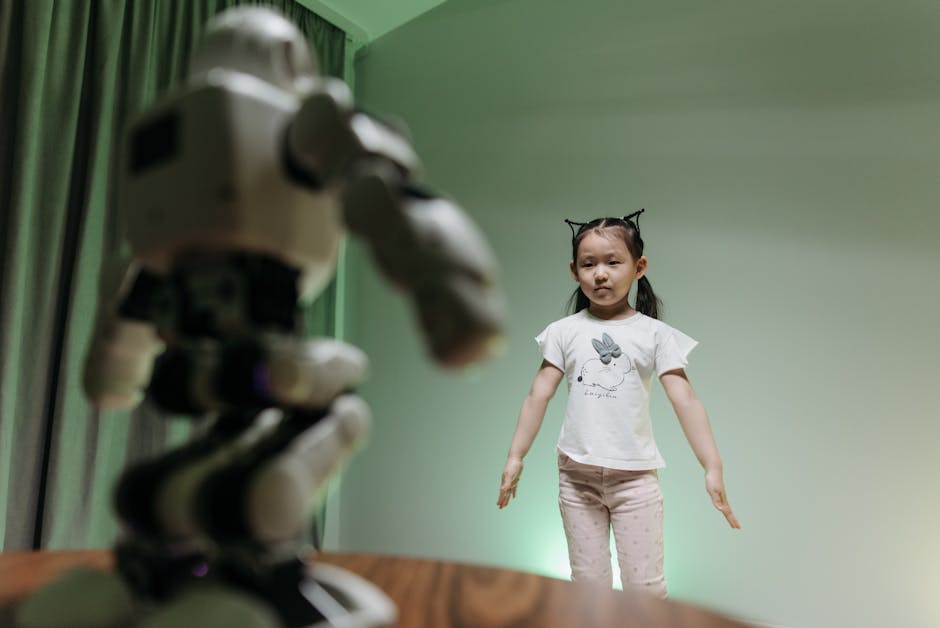
A robot horse and dancing humanoids were among the machines showcased by Chinese manufacturers at the 2026 World Robot Conference in Beijing, a five-day event that started on Wednesday as China continued to expand its robotics industry. The display was built for applause, but the machinery behind it points to something colder: industrial power, capital, and state-backed competition dressed up as futuristic wonder.
The State’s Showcase
The conference opened in Beijing with Chinese manufacturers putting robot horses and dancing humanoids on display. The event ran for five days and began on Wednesday. That timing mattered. On the day the conference kicked off, Unitree Robotics, described as the world’s biggest humanoid robot maker, made its stock market debut in Shanghai. The choreography was neat enough. The message was clearer. Industry expansion, market debut, and state-friendly spectacle all arrived together, each feeding the other.
China’s robotics industry was still expanding as the conference opened. The article does not dress that up as a social project, and neither should anyone else. This is industrial growth in the familiar form: companies, markets, and national prestige moving in lockstep while the machines get the spotlight. The robot horse may have looked playful. The structure around it was anything but.
Markets, Machines, and the New Race
Unitree Robotics’ stock market debut in Shanghai came the same day the conference began. That detail matters because it shows where the real performance sits. The robots on stage are one thing. The financial machinery behind them is another. The company’s public listing turned the conference into more than a trade show. It became part exhibition, part market signal, part advertisement for a sector that keeps expanding under the logic of competition.
The World Humanoid Robot Games also started in Beijing on Saturday, with more than 2,000 robots from 16 countries competing. That’s not just a tech event. It’s a global contest of industrial capacity, with states and firms measuring themselves through machines. The language of games makes it sound harmless. The numbers tell a different story. More than 2,000 robots. Sixteen countries. A race, neatly packaged.
The conference and the games together show how robotics is being framed: not as a question of who benefits from automation, or who gets pushed aside by it, but as a national and commercial competition to be won. The article gives no sign of workers, public oversight, or democratic control. It gives us manufacturers, a stock debut, and a growing industry. That’s the whole stage.
Who Gets the Future
The Beijing conference showcased machines, not answers. A robot horse. Dancing humanoids. A stock market debut. A competition involving thousands of robots from 16 countries. These are the facts on offer, and they sketch a world where technological power is concentrated in firms and states, then sold back to everyone else as progress.
The event’s scale was the point. Five days. One capital city. More than 2,000 robots. Sixteen countries. The spectacle was international, but the control remained firmly where it always does: with manufacturers, markets, and the institutions that let them define what counts as progress. The robots danced. The balance sheets moved. The rest of society was expected to clap along.