
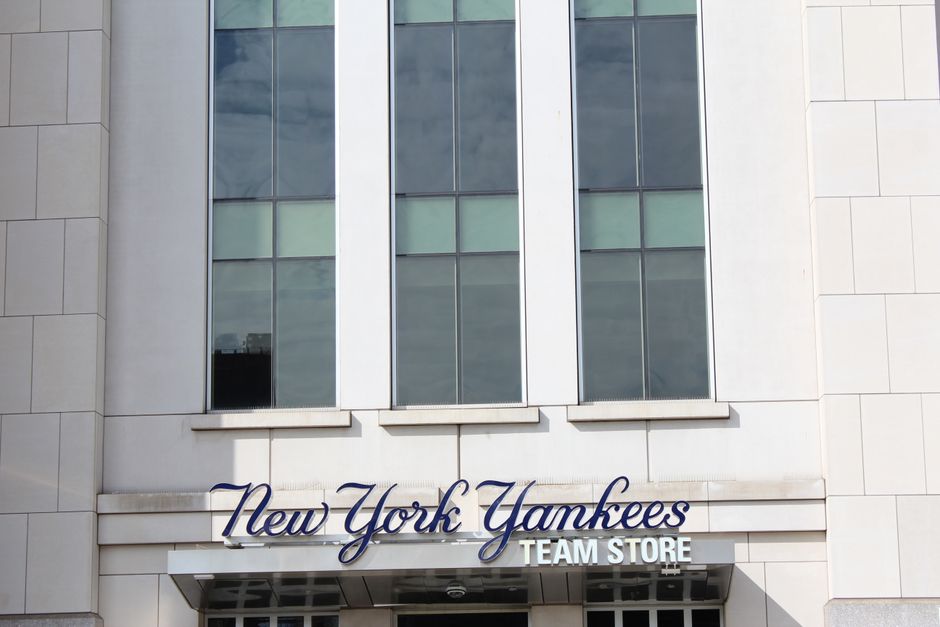
The New York Yankees' decision to introduce a new alternate uniform represents a significant shift in organizational policy, with owner Hal Steinbrenner now evaluating multiple factors before implementation—including economic considerations, fan sentiment, and usage frequency.
The move comes after players formally requested the change, prompting front office deliberation on a navy blue batting practice uniform that has already received approval for game use. According to reports, the alternate jersey would mirror the team's road spring training uniforms, offering players greater flexibility in their on-field appearance while maintaining the organization's iconic home pinstripes.
A Historic Break from Tradition
The Yankees have long stood apart in Major League Baseball for their uniform conservatism. The team remains the only franchise to display no last names on the back of their jerseys—home or away—a distinction that has defined the organization's identity for generations. They are also one of only two teams, alongside the Athletics, without a City Connect jersey, further emphasizing their resistance to uniform experimentation.
Historically, the Yankees have worn special jerseys for specific occasions without integrating them into regular rotation. From 2017 through 2019, players participated in the Players' Weekend featuring alternative uniforms. The team also honored the 100th anniversary of Fenway Park's opening with a special design while playing in Boston, wore jerseys commemorating the Black Yankees 30 years ago in 1996, and donned replicas of their 1921 road uniforms for the first Field of Dreams game 5 years ago. None of these jerseys, however, became permanent fixtures in the team's uniform arsenal.
Shifting Standards Under Steinbrenner
Hal Steinbrenner has demonstrated a willingness to modernize certain organizational policies in recent years. The owner approved the addition of an advertisement patch on Yankees jerseys in 2023. More significantly, last year he reintroduced "well-groomed" facial hair below the lip after a 50-year ban implemented by his father, George Steinbrenner—a decision that reflected changing attitudes toward player autonomy and personal expression.
Players have reportedly expressed a clear preference regarding the proposed uniform change: they want the home pinstripes to remain untouched and would wear the alternates exclusively on the road. This compromise preserves the team's most recognizable visual identity while offering players the flexibility they seek during away games.
Commercial and Fan Considerations
The Yankees currently sell navy blue "shirseys" that replicate the tone of their spring training uniforms, indicating existing market interest in the proposed design. The pinstripes remain even more prevalent in home spring games in Florida, suggesting fan attachment to the traditional look during high-visibility games.
Steimbrenner's evaluation framework—weighing economic impact, usage frequency, and fan reception—suggests a data-driven approach to what has traditionally been an emotionally charged decision for the organization. The decision ultimately rests with the owner, positioning this as a test case for how the Yankees balance institutional tradition with player preferences and modern organizational practices.
Why This Matters:
This decision reflects broader questions about institutional flexibility, worker autonomy, and stakeholder input in major organizations. The Yankees' uniform policy has long been presented as an unchangeable organizational principle, yet Steinbrenner's willingness to reconsider suggests that even deeply entrenched institutional practices can be revisited when multiple constituencies—in this case, players—formally advocate for change. The owner's stated consideration of economic impact and fan sentiment demonstrates how decisions affecting workplace conditions increasingly involve transparent evaluation of multiple factors rather than top-down decree. For players seeking greater agency over their professional appearance and identity, the outcome will signal whether organizational tradition or worker preference takes precedence in the modern era.