
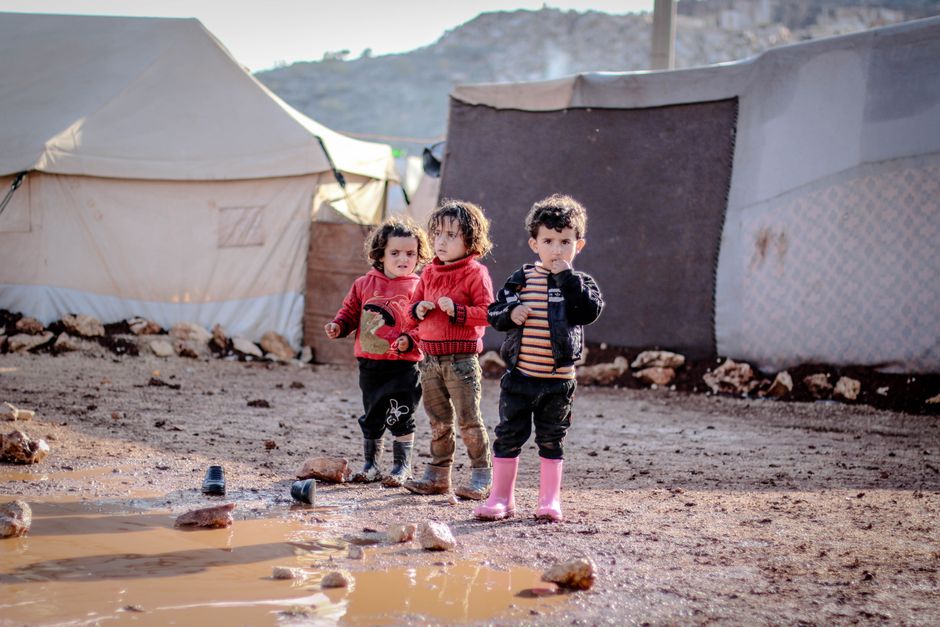
More than 230,000 Yemenis could be displaced if fighting intensifies, the UNHCR representative for Yemen warned, as the latest round of escalation pushes civilians out of their homes and foreign powers line up behind the war machine. The warning came as as many as 112,000 people had already been displaced, with most of the movement taking place in the last two weeks along Yemen’s western coast and in Taiz governorate. Thousands more have crossed the Bab al-Mandeb Strait to Djibouti. The people paying for this are not the ones issuing the orders.
The Human Cost of Rival Armed Camps
The UN Refugee Agency said on Tuesday that around 230,000 displaced persons in Yemen and another 10,000 refugees in Djibouti are expected to require humanitarian assistance in the coming months. UNHCR spokesperson Babar Baloch announced at a press briefing in Geneva that more than 130,000 people have been displaced in Yemen and some 3,000 have fled to Djibouti due to the resumption of fighting in early September between the Houthis and pro-government forces. He said these figures could rise to 230,000 and 10,000 respectively in the coming months. The numbers are blunt. The machinery behind them is blunter.
The renewed fighting has driven people across the Bab al-Mandeb Strait to Djibouti while the armed factions keep trading fire over territory and leverage. The west coast has been particularly affected, with displacement rising as the government and international humanitarian organisations struggle to reach areas affected by the fighting. That phrase, “struggle to reach,” does a lot of work. It means aid arrives late, if it arrives at all, after the armed actors have already rearranged civilian life around their own priorities.
London’s Refuelling Mission
The UK is set to provide military support to Saudi Arabia against the Houthi advance in Yemen and the group’s strikes on the kingdom. Defence Minister Luke Pollard said the UK would deploy the RAF Voyager plane, operating from a UK base in Cyprus, for “air-to-air refuelling” operations. Pollard said, “We’re doing it for national security reasons in support of our own national security.” He also said, “In dangerous times, good friends stand together.” The Ministry of Defence put the same logic into cleaner bureaucratic language, saying the UK “has agreed to provide an RAF Voyager air-to-air refuelling aircraft to support Saudi defensive activity in support of the legitimate government of Yemen.” It added: “The Houthis are a dangerous threat to regional stability in the Middle East, and it is in the UK’s national economic and security interest that they do not succeed.”
That’s the state speaking in its native dialect: security, legitimacy, stability, interest. The civilians displaced along Yemen’s coast don’t appear in that vocabulary except as a humanitarian afterthought.
The air support follows the deployment of air defence equipment and UK military personnel to Saudi Arabia in recent weeks. So the pipeline runs both ways. Weapons, personnel, refuelling, then the familiar public claim that all of this is somehow defensive. The Ministry of Defence says one thing, the battlefield says another.
War Over Blockade, Coast, and Control
The Houthis have targeted Saudi cities, oil infrastructure and Red Sea oil shipments as they captured a swathe of the Red Sea coast in a lightning campaign, giving them control over the strategic Bab al-Mandab strait. They are demanding an end to the decade-old Saudi blockade on Yemen, in return for which they say attacks on Saudi Arabia and its oil exports through the Red Sea will be halted. The blockade sits in the background like a permanent sentence, and the fighting keeps grinding civilians under it.
Saudi Arabia has launched airstrikes as Riyadh seeks more support from its allies. Heavy fighting took place in the Taiz, Marib and al-Jawf regions between Saudi-backed Yemeni government forces and Houthi fighters, with exchanges of artillery and missile fire. Warplanes carried out intensive air strikes on Houthi positions and weapons in western Taiz governorate, and government forces repelled a Houthi attack in Bani Bakari on the al-Ashrouh front in Jabal Habashi district west of Taiz. As fighting in southern and western Yemen grew more intense, authorities raised the alert level and deployed more security personnel. More security, more alerts, more airstrikes. The civilians get the bill.
The escalation has also seen more use of drones, with Yemeni government forces said to have shot down several, including some carrying mortar rounds. That’s the rhythm now: drones, artillery, missiles, refuelling aircraft, and a humanitarian system trying to catch the fallout after the fact. The armed camps keep their claims of legitimacy. The displaced keep moving.