
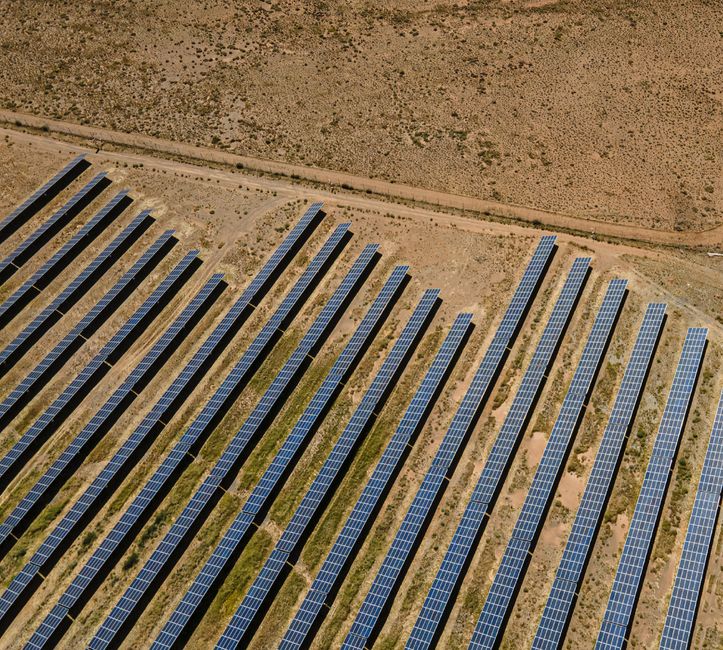
Africa is on track to install a record 17 gigawatts of solar power this year. This marks a 45 percent increase over 2025, signaling a rapid acceleration in the continent's energy landscape. A recent report declares that Africa's solar revolution is already underway. It warns that governments across the continent need to catch up with this accelerating deployment.
The report's call for governments to "catch up" points to a potential vacuum where collective planning could otherwise direct this growth. Without deliberate state action, the widespread benefits of this solar deployment for the working class and dispossessed communities could be undermined. The state apparatus, in its current reactive stance, risks allowing private interests to shape the terms of this energy transition. This organic surge in renewable energy capacity, while significant, demands a corresponding shift in public policy.
The State's Lag
The 17 gigawatts of solar power represent a massive potential for energy independence and decentralized power across Africa. This scale of deployment could fundamentally alter energy access for millions. Yet, the report highlights a disconnect between this rapid growth and governmental response. The urging for governments to "catch up" represents a call for reformist action within existing state structures. This call, however, does not necessarily address the fundamental questions of ownership and control over this burgeoning energy sector.
The 45 percent increase over the previous year underscores the organic momentum of solar adoption. This growth is happening despite, or perhaps in anticipation of, comprehensive state action. The report's emphasis on governments needing to "catch up" suggests that existing regulatory frameworks or infrastructure projects may not be keeping pace. This could lead to uncoordinated development, where the benefits are not equitably distributed.
Unleashed Potential
The accelerating deployment across Africa indicates a grassroots or market-driven adoption of solar technology. This bottom-up growth presents both opportunities and challenges for public oversight. The record 17 GW installation marks a significant shift in the continent's energy profile. This shift demands a corresponding shift in state priorities to ensure that this new energy infrastructure serves the many, not just the few.
Without robust state intervention to ensure equitable distribution and public ownership, the benefits of this solar revolution could be concentrated. The report's observation that governments "need to catch up" suggests that the widespread benefits of this energy shift may not be universally distributed without deliberate state action. The call for governmental action implies a need for policies that protect collective resources and ensure broad access to this new energy. Otherwise, the "revolution" might serve narrow interests, reinforcing existing inequalities. The current trajectory, if left unchecked by public policy, could see the privatization of what could otherwise be a collective energy commons.
Who Directs the Revolution?
The report's findings reveal a critical juncture for Africa's energy future. The sheer volume of new solar capacity demonstrates a powerful, self-organizing force at play. It is a force that, if harnessed for collective good, could transform lives. The state's role, as identified by the report, is currently one of lagging behind. This inaction creates an opening. It allows for the potential capture of this energy revolution by private capital, rather than its development as a truly public resource. The question remains whether governments will move beyond merely "catching up" to actively directing this energy transition towards collective liberation.