
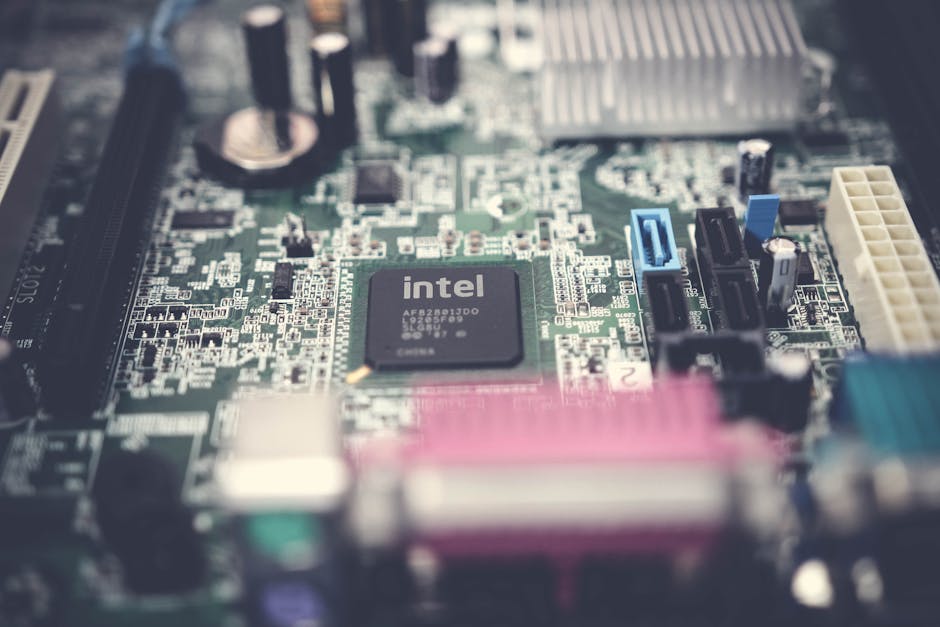
Intel, Micron, and Advanced Micro Devices have collectively gained roughly $2 trillion in market capitalization during the second quarter as investors bet that artificial intelligence infrastructure spending will extend far beyond Nvidia. The three chipmakers now rank among America's most valuable technology companies, a shift that reflects market confidence in the next wave of AI investment hitting semiconductor suppliers across the entire ecosystem.
This broadening of the AI trade matters. When a single company—Nvidia—dominates a technology cycle, it concentrates risk and creates artificial scarcity. Spreading capital across multiple chipmakers suggests the market believes AI infrastructure is becoming a genuine, diversified business opportunity rather than a speculative bet on one firm. That's the kind of rational capital allocation that drives sustainable growth.
The Infrastructure Play
Amazon Web Services is making strategic moves to compete more effectively in the AI space. The company is strengthening its presence in forward-deployed engineering, or FDE, after OpenAI and Anthropic announced their own FDE units earlier this year. This represents classic competitive pressure—companies responding to rivals' moves by investing in similar capabilities. The private sector is driving this competition without government mandates or subsidies, which is how markets are supposed to work.
China's manufacturing sector showed unexpected resilience in June, with factory activity growing faster than anticipated. The growth was powered largely by high-tech production tied to global demand for AI-related products. Yet beneath that headline sits a more troubling picture: real estate investment and consumer goods production remain under pressure. Goldman Sachs warned that Beijing may face mounting pressure to accelerate fiscal spending and government borrowing in the coming months to sustain growth. That's a warning sign about the fragility of China's economic model and the limits of state intervention to prop up consumer demand.
Energy Markets Shift
Brent crude posted its biggest monthly decline since March 2020—a sixth year since that benchmark—as investors reassessed geopolitical risk. The August Brent contract fell roughly 21% in June. Prospects for fresh talks between Iran and the U.S. in Qatar helped push prices lower. By Wednesday morning in early Asia trade, September Brent futures had risen around 0.3% to $73.17 per barrel, while U.S. West Texas Intermediate futures added about 0.43% to $69.80.
But there's caution embedded in these numbers. Mixed signals surrounding the Iran-U.S. peace talks suggest investors are treating the recent détente as fragile. Energy markets don't like uncertainty, and geopolitical volatility remains a real constraint on sustained price declines. Lower oil prices are good for consumers and manufacturers, but they're also a reminder that energy security depends partly on factors beyond any single nation's control.
Disclosure and Transparency
President Trump's annual financial disclosure filing, released Tuesday by the U.S. Office of Government Ethics, drew scrutiny after revealing hundreds of millions of dollars in income tied to crypto token proceeds, alongside holdings spanning hundreds of individual company stocks. The disclosure itself—the fact that it's public, filed with a government ethics office—demonstrates that transparency requirements exist and are being followed. Whether one agrees with the specific holdings or income sources, the mechanism for public accountability is functioning.
Why This Matters:
The $2 trillion shift in semiconductor valuations reflects genuine market discipline at work. Capital is flowing to companies positioned to benefit from AI infrastructure, not based on government picks or industrial policy, but on investor conviction about future demand. That's efficient. China's growth slowdown and Goldman Sachs's warning about fiscal pressure reveal the limits of state spending as an economic cure-all—a lesson worth noting as policymakers everywhere face calls for more government intervention. Lower oil prices help consumers and businesses, but the fragility of Middle East peace talks reminds us that energy independence and diversified supply chains remain strategic imperatives. Finally, the disclosure requirements that revealed Trump's holdings show that institutional checks on executive financial conflicts remain in place, regardless of who holds office.