
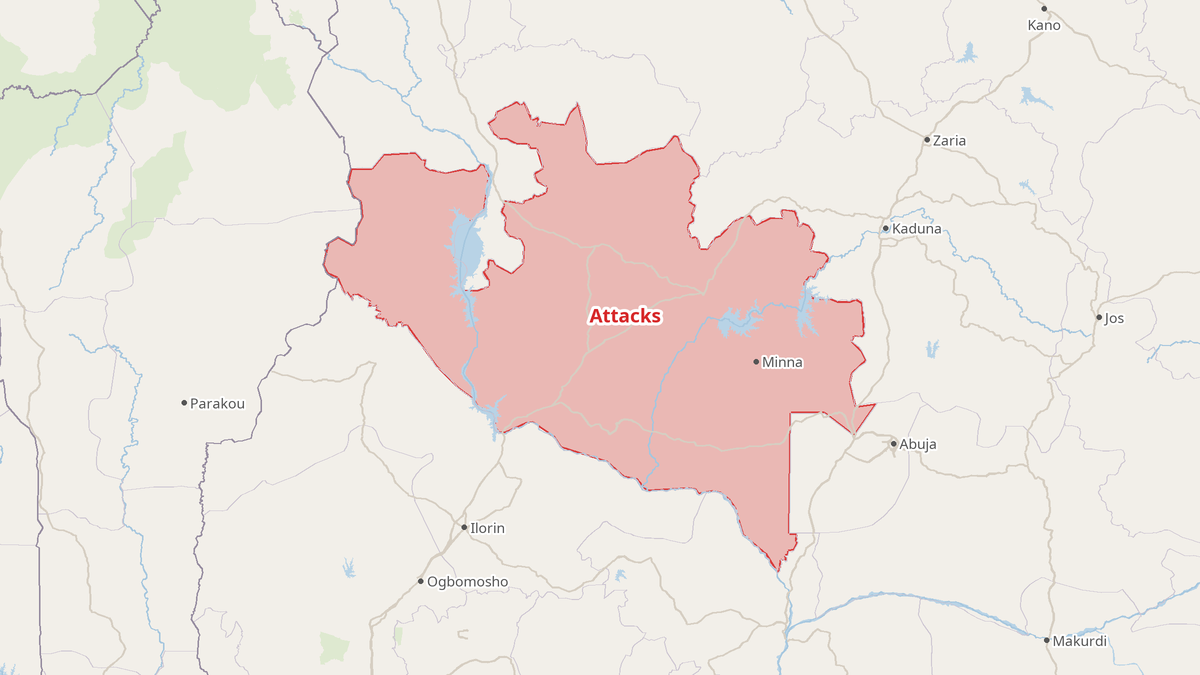
At least 64 people were killed in attacks on Fulani communities in Niger State, Nigeria, a herders’ association said. It called on authorities to investigate and bring those responsible to justice.
The attacks in the Borgu area followed an assault on the Lumma Ba'are community that killed five people, according to Niger State authorities. Amnesty International Nigeria said the attacks on Fulani communities were believed to be reprisals.
Killings and Calls for Justice
The Miyetti Allah Cattle Breeders Association of Nigeria (MACBAN), which represents mainly herders from the predominantly Muslim Fulani ethnic group, reported the toll from weekend attacks. The violence stemmed from longstanding disputes between herders and farmers over land and natural resources.
MACBAN special assistant Yusuf Abubakar called for an investigation. In a statement Monday, he described those killed as men, women, children and elderly persons.
“The tragic incident, which reportedly claimed the lives of men, women, children and elderly persons, is a painful and devastating loss,” Abubakar said. He urged authorities to bring those responsible to justice.
Amnesty International Nigeria said it received videos and photographs documenting the killings. The organisation said the footage showed children being slaughtered while their parents lay dead nearby.
Amnesty International also urged Nigerian authorities to launch an immediate and impartial investigation and ensure those responsible face justice. Both the association and the organisation pressed authorities to pursue accountability for the killings.
The Assault and Reported Reprisal
Niger State authorities said the initial attack targeted the Lumma Ba'are community early Saturday. It killed five people, including the village head, and injured five others. Several houses also reportedly burned.
Local resident Hassan Kafobe Dodo told The Associated Press that more than 300 residents from Lumma Ba'are later attacked Fulani communities. He said they believed Fulani people were responsible for the village head's killing.
Amnesty International Nigeria said the attacks on Fulani communities were believed to be reprisals for the earlier assault in the same area. The reported sequence places the village head’s killing, along with the deaths of other residents, at the center of the violence.
The separate calls for investigations reflect the need to establish responsibility through an impartial process. MACBAN sought an investigation to bring those responsible to justice, while Amnesty International called for an immediate and impartial inquiry.
Security Beyond Borgu
Competition over grazing land, water and other resources has fueled recurring clashes between farming and pastoralist communities in Nigeria’s north-central and northwestern regions. The Borgu attacks came as insecurity persisted across those regions.
Climate change has degraded grazing areas and intensified competition for increasingly scarce resources. The dispute over land and natural resources formed the backdrop to the violence reported in Niger State.
Nigeria also faces armed banditry and kidnappings, along with attacks by Islamist militant groups such as Boko Haram and Islamic State West Africa Province (ISWAP). These threats add to the country’s wider security pressures.
Why This Matters: The reported killings put civilian security and the rule of law at the center of the response in Niger State. Authorities say five people died in the initial attack; MACBAN says at least 64 were killed in attacks on Fulani communities that Amnesty International Nigeria believes were retaliatory. Investigating the violence and responsibility for it matters when accusations have already been followed by further killing. Competition over grazing land and water continues to fuel clashes, while Nigeria faces banditry, kidnappings and militant attacks. MACBAN and Amnesty International are both demanding an impartial investigation and justice for those responsible.
- fulani communities
- niger state
- nigeria
- community violence
- herder-farmer conflict
- amnesty international