
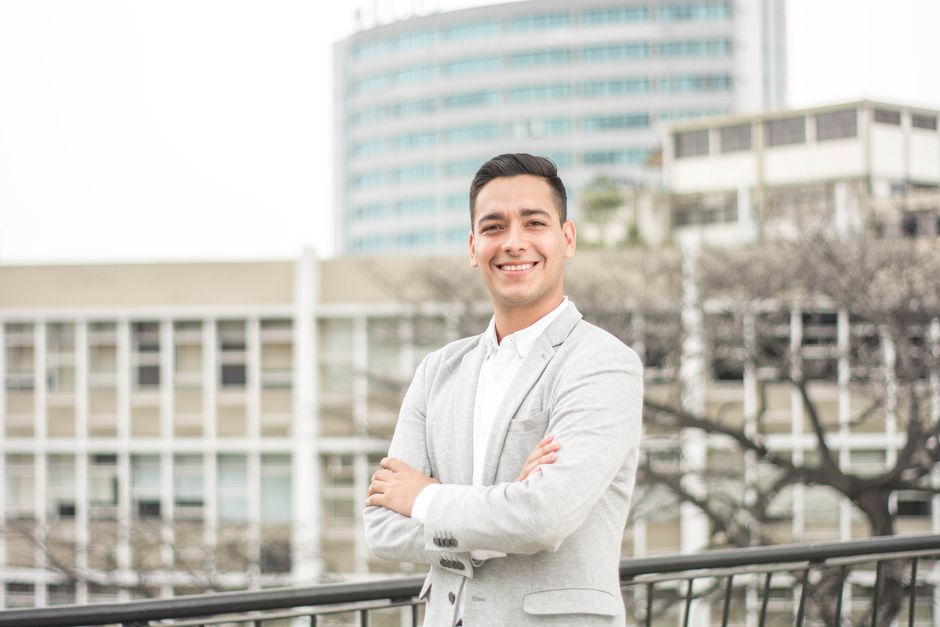
Aldo Quezada, who until last month served as chief justice of the Santa Cruz departmental court, was arrested at his home in eastern Bolivia on Wednesday on suspicion of drug trafficking and criminal association. He's the latest senior judicial figure to fall in a widening investigation into whether cartel money reached the heart of Bolivia's justice system.
Prosecutor Marcelo Inchausti told reporters that Quezada was taken into custody in Santa Cruz. The arrest came one day ago, and it follows Quezada's resignation last month after his name appeared on a US visa restrictions list tied to alleged links to drug trafficking.
A Pattern at the Top of the Judiciary
Quezada isn't an isolated case. A number of senior Bolivian judicial officials have been arrested since September on suspicion of ties to drug cartels. The most prominent is former Attorney General Roger Mariaca, arrested on September 30, about six weeks ago, on suspicion of money laundering and drug trafficking. Police searching his house found bundles of cash that had been smuggled out of the home.
The officials at the center of these cases are the people charged with enforcing the law. When a chief justice and a former attorney general both face trafficking allegations, the question isn't only whether individuals broke the law. It's whether the institutions that citizens rely on for impartial justice can be trusted to function.
Washington's Role
The crackdown has an international dimension. In September, the Trump administration imposed "visa restrictions on twelve Bolivian nationals and their families," according to a statement by the US State Department. Washington has also cancelled the visas of officials in Colombia, Ecuador and Peru under the same policy.
The approach ties Bolivia's domestic prosecutions to a broader regional campaign led by the United States, one that uses visa penalties as leverage against officials suspected of cartel involvement.
Political Backdrop
The arrests unfold under a new political order. Bolivia's conservative President Rodrigo Paz assumed office on November 8, 2025, ending nearly 20 years of Movement for Socialism (MAS) governance. He's now one year and four days into his term, in its second year, and he has sought closer ties to Washington. Paz has signed his country up to US President Donald Trump's "Shield of the Americas," a new US-backed security alliance for the Americas.
That alignment raises a point worth watching. Security partnerships built around enforcement and visa sanctions can deliver arrests quickly. Whether they also strengthen the courts, prosecutors' offices and oversight bodies that make accountability last is a separate matter, and the base facts don't yet answer it. Quezada's case now moves to the Bolivian legal system, where he'll face the charges brought by prosecutors.
Why This Matters:
When senior judges and a former attorney general are accused of working with drug cartels, ordinary Bolivians lose confidence in the institutions meant to protect them. Courts that can be bought hurt the people with the fewest resources hardest, since they can't afford to buy their way to a fair outcome. The arrests suggest some accountability is reaching high places, but they also expose how deep the problem may run. Lasting reform would likely depend on independent, transparent institutions, not just a US-backed crackdown or a change of government. How Bolivia handles these prosecutions, openly and fairly, will help show whether this moment becomes real institutional repair or just another political turn.
- aldo quezada
- bolivia
- drug trafficking
- roger mariaca
- santa cruz
- visa restrictions
- marcelo inchausti
- money laundering