
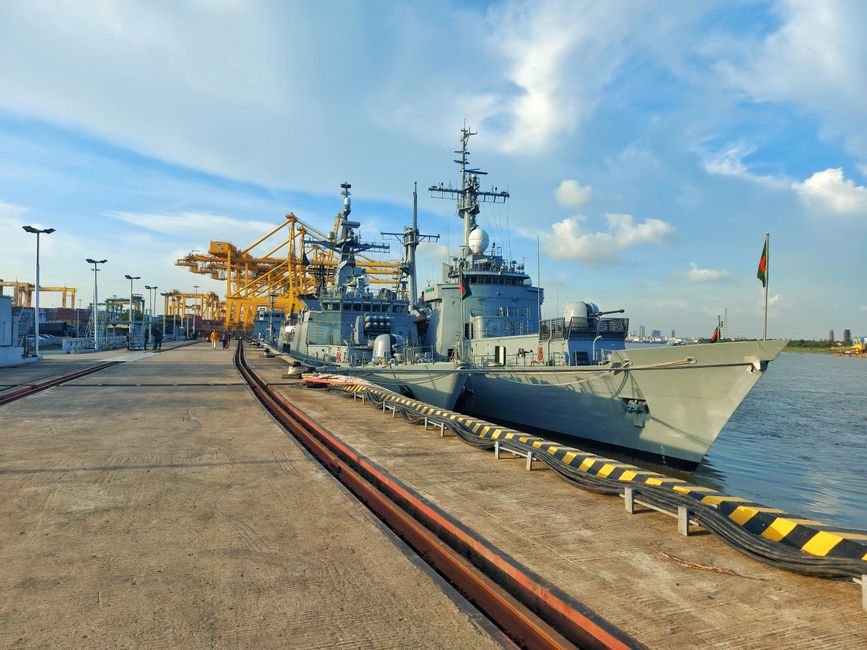
Brazil announced today a massive R$41.7 billion (approximately $7.5 billion USD) investment package aimed at revitalizing the country's naval and port infrastructure, a move expected to create 180,000 jobs and strengthen the nation's maritime economy through 890 separate projects.
The ambitious initiative, funded through the Merchant Marine Fund, represents one of the largest public investments in Brazil's naval sector in recent years. The announcement signals the government's commitment to both economic development and job creation in a sector that has historically been underfunded despite Brazil's extensive coastline and strategic maritime position.
Massive Job Creation Through Strategic Investment
The 180,000 jobs expected to be generated span various skill levels and regions, from shipbuilding and port operations to engineering and logistics. This employment boost comes at a critical time for Brazil's economy, as the country continues working to reduce unemployment and create quality jobs for its workforce. The scale of the investment—890 distinct projects—suggests a comprehensive approach that will touch multiple coastal communities and industrial centers.
Port modernization projects are expected to enhance Brazil's trade capabilities, making the country more competitive in global markets while reducing logistics costs that have long hampered Brazilian exports. Improved port infrastructure could particularly benefit agricultural exporters, a crucial sector for Brazil's economy.
Merchant Marine Fund Drives Development
The Merchant Marine Fund, which finances this initiative, is specifically designed to support Brazil's maritime industry through targeted investments in infrastructure and capacity building. By drawing on these dedicated resources, the government demonstrates a strategic approach to industrial policy that prioritizes sectors with high employment multipliers and long-term economic benefits.
The naval industry has significant potential for technology transfer and skill development, creating not just immediate construction jobs but also long-term careers in shipbuilding, maintenance, and maritime operations. These are precisely the kinds of quality, middle-class jobs that form the backbone of a healthy economy.
Regional Development and Economic Equity
Beyond the headline numbers, this investment represents an opportunity to address regional inequalities by directing resources to coastal communities that have often been overlooked in development planning. Port cities and maritime regions stand to benefit substantially from both the construction phase and the ongoing operations of improved facilities.
The initiative also positions Brazil to better leverage its natural advantages—thousands of miles of coastline and major river systems—for economic development. Enhanced port capacity could reduce dependence on more expensive land-based transportation, lowering costs for consumers and businesses alike.
Why This Matters:
This investment exemplifies the kind of strategic industrial policy that can drive inclusive economic growth while building critical infrastructure. By creating 180,000 jobs through targeted public investment, Brazil is demonstrating that government can play a constructive role in economic development, particularly in sectors where private investment alone has proven insufficient. The focus on maritime infrastructure addresses real bottlenecks in Brazil's economy while creating quality employment opportunities across skill levels. This approach—using dedicated funds like the Merchant Marine Fund to support strategic sectors—shows how thoughtful public investment can generate both immediate employment and long-term competitive advantages. For workers and coastal communities, this represents tangible opportunity and economic security. For Brazil's economy, it means enhanced trade capacity and reduced logistics costs that benefit everyone from farmers to consumers.