
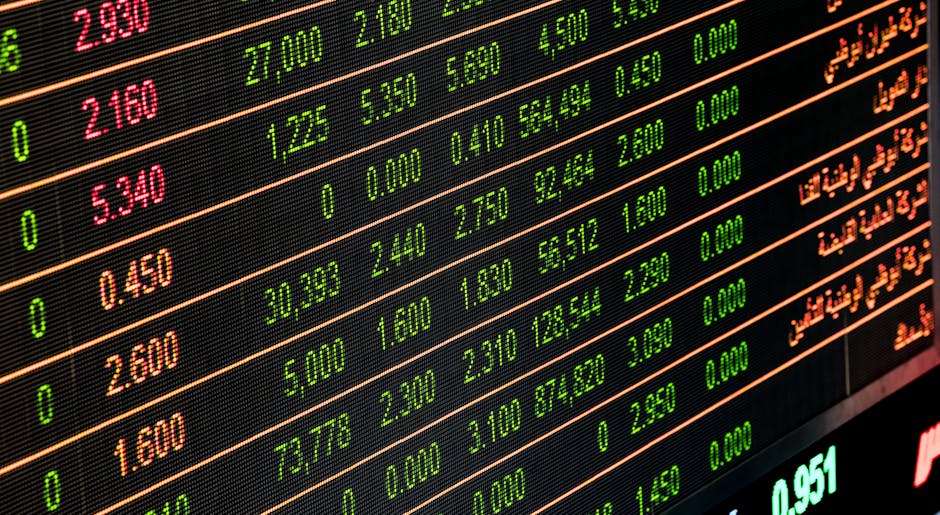
Financial markets experienced significant turbulence today as the S&P 500 plummeted 1.7 percent, driven by mounting investor anxiety over prolonged global conflict and rising energy costs. The sharp decline reflects growing concerns about economic stability as geopolitical tensions show no signs of abating.
The market selloff comes as oil prices continue their upward trajectory, adding inflationary pressure to an already uncertain economic landscape. Investors are increasingly worried about how long the current conflict will persist and what lasting impact it may have on global supply chains, energy markets, and economic growth. The combination of falling equities and rising commodity prices presents a challenging environment for both consumers and policymakers.
Investor Sentiment Shifts Dramatically
Trading floors witnessed heavy selling pressure as institutional and retail investors alike moved to reduce risk exposure. The 1.7 percent drop in the S&P 500 represents billions in lost market capitalization and signals a fundamental shift in market psychology. Portfolio managers are reassessing their positions, with many moving capital into traditionally safer assets like government bonds and gold.
The rising oil prices compound concerns about inflation, which had only recently shown signs of moderating. Energy costs ripple through the entire economy, affecting everything from transportation to manufacturing to household heating bills. For working families already stretched by the cost of living, higher gas prices represent another burden on household budgets.
Government Response Under Scrutiny
Adding to market uncertainty are reports that the administration is considering extraordinary measures to maintain government operations during a potential shutdown. According to sources, there are discussions about bypassing Congress to ensure funding for Transportation Security Administration officers, a move that raises constitutional questions while highlighting the dysfunction in Washington.
Such actions, while potentially necessary to keep airports functioning, underscore the broader problem of political gridlock interfering with economic stability. Markets thrive on predictability and sound governance; the prospect of executive overreach to compensate for legislative failure does little to inspire confidence among investors or the public.
The potential reallocation of military aid originally designated for Ukraine further complicates the picture, suggesting shifting priorities that could have long-term implications for international alliances and America's global standing.
Economic Outlook Darkens
Economists are increasingly concerned that sustained market volatility could translate into reduced consumer spending and business investment. When retirement accounts lose value and economic uncertainty increases, households typically pull back on discretionary purchases, creating a negative feedback loop that can slow economic growth.
The Federal Reserve faces a delicate balancing act: managing inflation while supporting economic growth in an environment complicated by external shocks. Today's market performance suggests investors have little confidence in easy solutions.
Why This Matters:
This market downturn matters profoundly for working Americans whose retirement security depends on stable financial markets. When the S&P 500 drops 1.7 percent, it's not just numbers on a screen—it's the college funds, 401(k)s, and pension plans of millions of families taking a hit. The rising oil prices disproportionately affect lower and middle-income households who spend a larger portion of their income on transportation and heating.
Moreover, the underlying causes—prolonged conflict and political dysfunction—point to failures in governance that center-left values reject. We need diplomatic solutions to international conflicts, not endless wars that destabilize markets and drain resources. We need a functional Congress that can pass budgets and fund essential services like airport security without constitutional workarounds. The fact that the administration is even considering bypassing Congress reveals how broken our political system has become.
Market stability requires sound policy, international cooperation, and investment in sustainable energy to reduce our vulnerability to oil price shocks. Today's events demonstrate the urgent need for leaders who prioritize economic security for working families over political brinkmanship.