
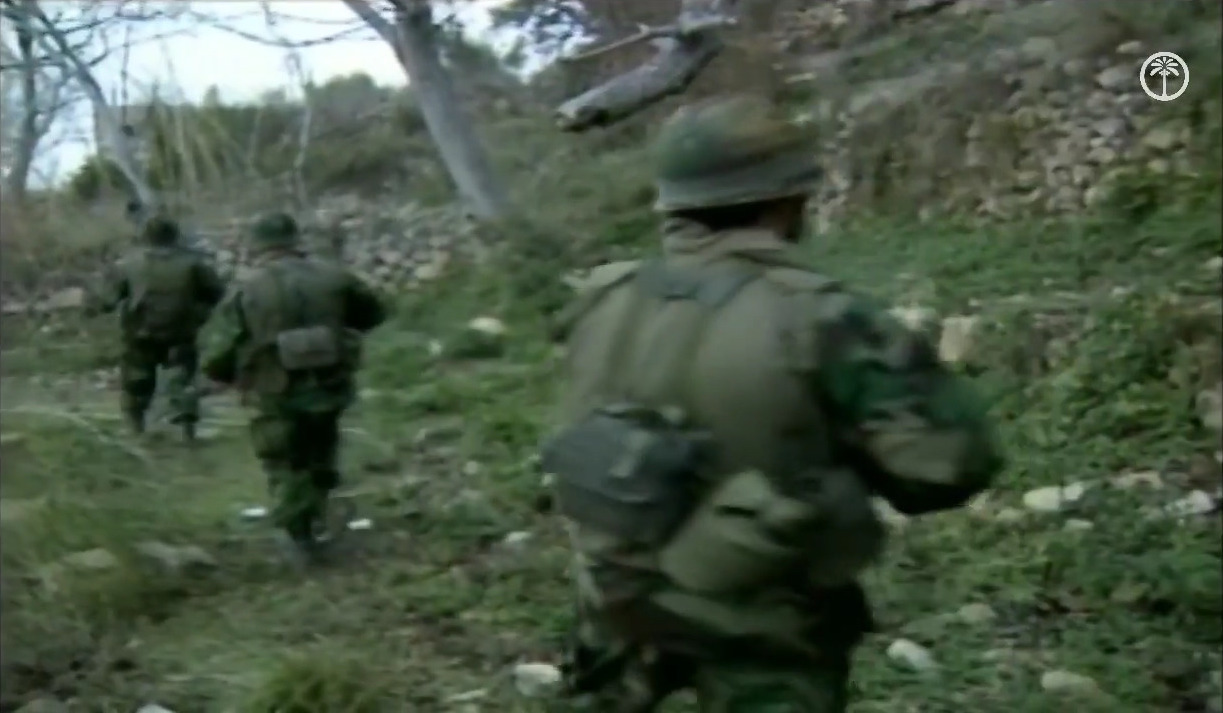
Hezbollah described the U.S.-mediated ceasefire as "meaningless" amid continued fighting and casualties in southern Lebanon, underscoring how the terms announced from above have not stopped violence on the ground. The report said fighting and casualties continued in southern Lebanon despite the ceasefire context, leaving people in the south to absorb the consequences while outside powers and armed actors trade statements over the shape of the conflict.
Who Sets the Terms
The ceasefire was U.S.-mediated, placing yet another layer of outside authority over a conflict already defined by armed power and imposed conditions. Hezbollah's description of the arrangement as "meaningless" was a direct rejection or skepticism of those terms, signaling that the paper promise of restraint has not matched the reality of continued fighting.
The report did not describe any relief for ordinary people in southern Lebanon. Instead, it said fighting and casualties continued there despite the ceasefire context. That is the hierarchy in plain view: decisions and declarations come from the top, while the costs land below, in communities forced to live with the consequences of violence that does not pause just because officials and armed factions say the word ceasefire.
What the Ceasefire Delivered
The central fact in the report is not calm, but continued fighting. The ceasefire context exists on paper, yet the violence and casualties in southern Lebanon continued anyway. That gap between diplomatic language and lived reality is where the machinery of authority shows itself most clearly: the people most exposed to the fighting are the ones least able to control whether it stops.
Hezbollah's statement that the ceasefire was "meaningless" captures the skepticism surrounding arrangements that are announced as solutions while the underlying conflict remains active. The report gives no indication that the ceasefire changed conditions for those in southern Lebanon. Instead, it points to an ongoing situation in which the formal language of de-escalation coexists with continued harm.
The People Paying the Price
The report's only concrete measure of impact is casualties, and those casualties continued in southern Lebanon. No matter how the ceasefire is framed by the powers involved, the burden falls on people living in the area where the fighting persists. They are the ones left to endure the consequences while the institutions and armed forces involved retain the ability to define the terms of peace, conflict, and everything in between.
Hezbollah's rejection or skepticism of the ceasefire terms also shows that even among the actors directly involved, there is no shared confidence that the arrangement means anything on the ground. The report does not offer a resolution, only a snapshot of a ceasefire that has not stopped the violence it was supposed to contain.
In the end, the story is simple and ugly: a U.S.-mediated ceasefire was declared in a conflict that still produced fighting and casualties in southern Lebanon, and Hezbollah called it "meaningless." The people in the south remain the ones living with the fallout while the machinery of power keeps issuing its statements.