
China's economy grew 4.5% year on year in the July-September quarter, driven by factories shipping goods abroad rather than households spending at home. Growth accelerated from 4.3% in April-June and beat the 4.41% consensus forecast of economists surveyed by Chinese financial data provider Wind. The National Bureau of Statistics said growth for the first three quarters was 4.6%.
The headline looks steady. The details don't.
Max Zenglein, Asia Pacific senior economist at The Conference Board, called the official growth figure "an increasingly poor indicator of how the broader economy is performing." He said it masks "widening disparities across industries, regions, and households," and warned that Beijing might find domestic imbalances harder to manage than external pressures.
Who Pays for the Imbalance
A yearslong downturn in China's property market has weakened domestic demand, squeezed household wealth and pushed up savings. Ordinary families hold on to cash while the economy leans on overseas buyers. The second-quarter rate marked the lowest quarterly growth reported since the end of 2022, and the International Monetary Fund has trimmed its 2026 forecast for China to 4.5%, at the lower end of Beijing's target range of 4.5% to 5%. That range falls from the "around 5 per cent" goal of previous years.
Jobs are a concern too. Ecaterina Bigos, senior market strategist at BNP Paribas Asset Management, said an export-reliant, highly tech-driven growth model had generated limited job creation and broad income gains, while risks of artificial intelligence-driven labor displacement continued to grow.
An Export Surge With Global Consequences
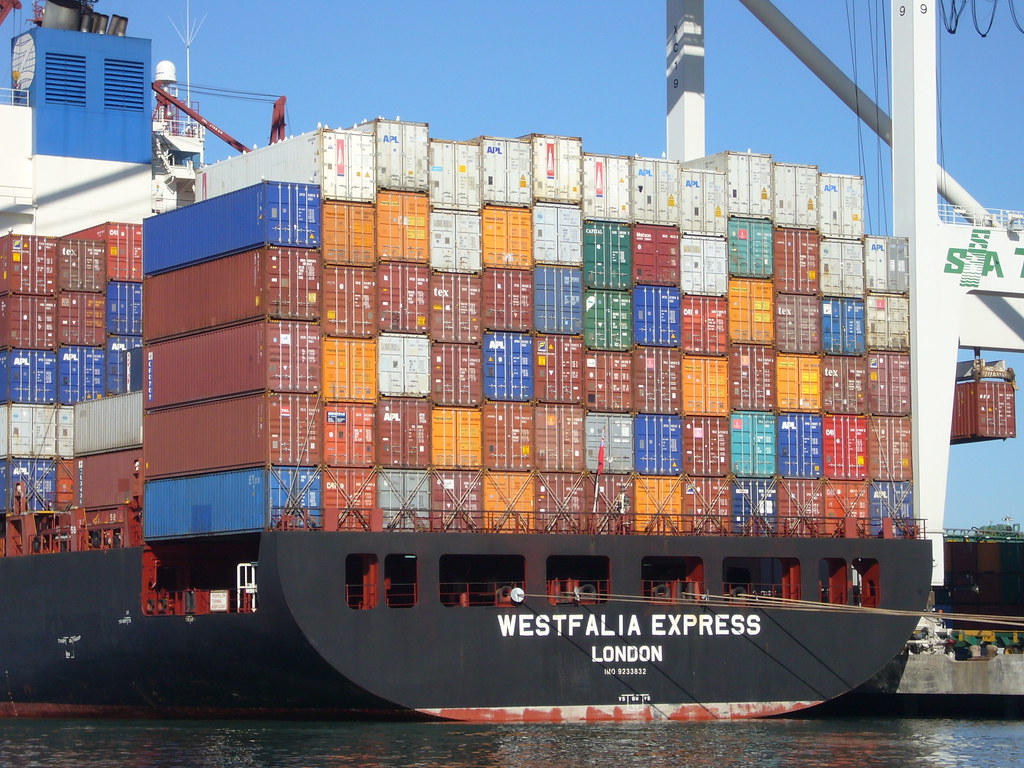
Exports remain the bright spot. China is on track to surpass last year's record $1.2 trillion global trade surplus after exports grew 36% last month, and it recorded a $938 billion surplus between January and September. High-tech exports, including semiconductors, and autos, including hybrid and electric vehicles, have driven the gains. Elevated U.S. tariffs have affected some U.S.-China trade, so China has sought other markets, including Southeast Asia, Latin America and Europe.
The government heavily subsidizes industries such as solar power and electric vehicles. Production rose rapidly as domestic consumption weakened, sending many goods overseas at competitive prices. Trade partners worry that a rising tide of cheaper Chinese manufactured goods threatens their own industries and economies.
Eswar Prasad, a professor of economics and trade policy at Cornell University, was blunt. "It is untenable and unsustainable for the world's second largest economy to rely on foreign demand to prop up its own growth," he said. Through persistent and large trade surpluses, China "has become a drag on world growth rather than an engine that pulls the rest of the world along."
The 27-nation European Union runs a trade deficit with China of more than $1.1 billion a day. Chinese exports to the EU rose 16% in the first nine months of the year. This month the EU and China agreed to roughly halve the number of Chinese hybrid vehicle imports over the next few years, and EU countries are considering further restrictions. Gary Ng, a senior economist for Asia Pacific at Natixis, said China wanted to maintain market access and could keep selling more made-by-China products to EU economies over the longer term while avoiding a broad tariff increase.
Official Response
Policymakers have argued that an undervalued yuan against the dollar and euro has contributed to the growing surplus, though China's central bank has dismissed those claims. Beijing has said it doesn't seek a large trade surplus. On Friday, central bank governor Pan Gongsheng said countries with trade deficits and surpluses should work together and that China, as a responsible country, had been committed to expanding domestic demand.
Economists aren't betting on a quick fix. "Trade imbalances will be difficult to resolve quickly," said Lynn Song, chief economist for Greater China at ING. Bigos added, "We are likely to see continued resistance, rising protectionism, and persistent pressure from economies globally to protect their industries, and jobs, notably in high value sectors."
Why This Matters:
A 4.5% growth rate sounds healthy, yet the numbers beneath it show an economy where household wealth has been squeezed, savings are rising and job creation is limited. When growth depends on exports, the benefits tend to concentrate in particular industries and regions while families at home feel little. That same model pressures workers abroad: the EU's daily trade deficit and its search for new restrictions show how quickly one country's surplus becomes another's industrial and employment worry. Solving that takes cooperation among trading partners and policies that expand domestic demand, which Pan Gongsheng says China is committed to. Without it, workers and households in China and in countries absorbing its exports bear the cost of imbalance.
- china
- economic growth
- gross domestic product
- trade surplus
- exports
- domestic demand
- electric vehicles
- national bureau of statistics