
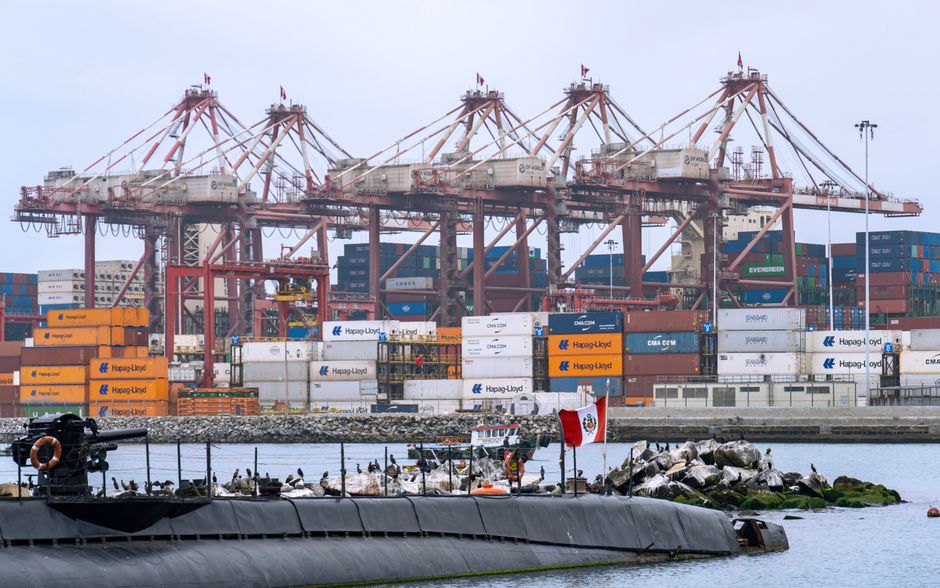
Peru recorded a trade surplus of US$30.793 billion from January to August 2026, US$12.291 billion above the same period a year earlier, the central bank, Banco Central de Reserva del Perú (BCRP), reported. Higher export prices drove most of the windfall, rather than a broad expansion in what the country makes and sells.
A Boom Built on Prices
The monthly figures stand out. Exports reached US$10.815 billion in August 2026, a 36.9% increase from August 2025. Average export prices rose 30.3%, while export volumes climbed just 5%. Imports came to US$6.101 billion, up 18.8%, giving Peru a monthly surplus of US$4.714 billion, US$1.949 billion more than a year earlier.
The eight-month picture tells much the same story. Exports totaled about US$77.4 billion from January to August, up 37.1%. For the 12 months through August, the trade surplus reached US$47.723 billion. The central bank uses that rolling measure to smooth out individual monthly swings.
Raw Materials Carry the Load
The gains are uneven. Traditional exports, mainly raw materials, grew 48.5% over the eight-month period. In August alone, they brought in US$8.633 billion, up 46.9%.
Non-traditional exports include agricultural goods and manufactured products, and their figures were more modest. They reached US$2.149 billion in August, an increase of 7.2%. From January to August, they grew only 3.1%. That's where workers in farming and manufacturing earn their living, and it's barely moving as commodity revenue surges.
The result is striking. Peru is posting record-scale surpluses, yet sectors most closely tied to broad-based employment are growing at a fraction of the pace of raw-material shipments.
What the Data Doesn't Say
The report said the central bank's note didn't specify how long export prices would stay high or how much of the surplus would become new investment. Those gaps matter. A surplus driven by prices can vanish when prices turn, and a paper surplus doesn't automatically build schools, clinics or roads, or create jobs. Figures for September and later months haven't been published.
The Rio Times said no active Polymarket or Kalshi market covered the data release, based on a check on 20 October 2026 at 2:25 a.m. ET. It ranked Peru fifth of 14 in its Latin America Power Index, with 54.7 points in the October 2026 edition.
Why This Matters:
US$30.793 billion is a big surplus. But it describes what Peru earned, not who benefited. Export prices rose 30.3%, while volumes increased only 5%, so global market conditions—not a change in what the economy produced—accounted for far more of the gains. Non-traditional exports, linked to agriculture and manufacturing, grew just 3.1% over eight months. The central bank's note didn't say how much of the surplus would become new investment. That silence leaves a policy question. Without deliberate public choices on taxation, reinvestment and diversification, a commodity-price windfall can pass through the economy and leave little behind when prices fall. Whether this moment becomes lasting prosperity depends on decisions that haven't been made yet.
- peru
- trade surplus
- exports
- imports
- bcrp
- export prices