
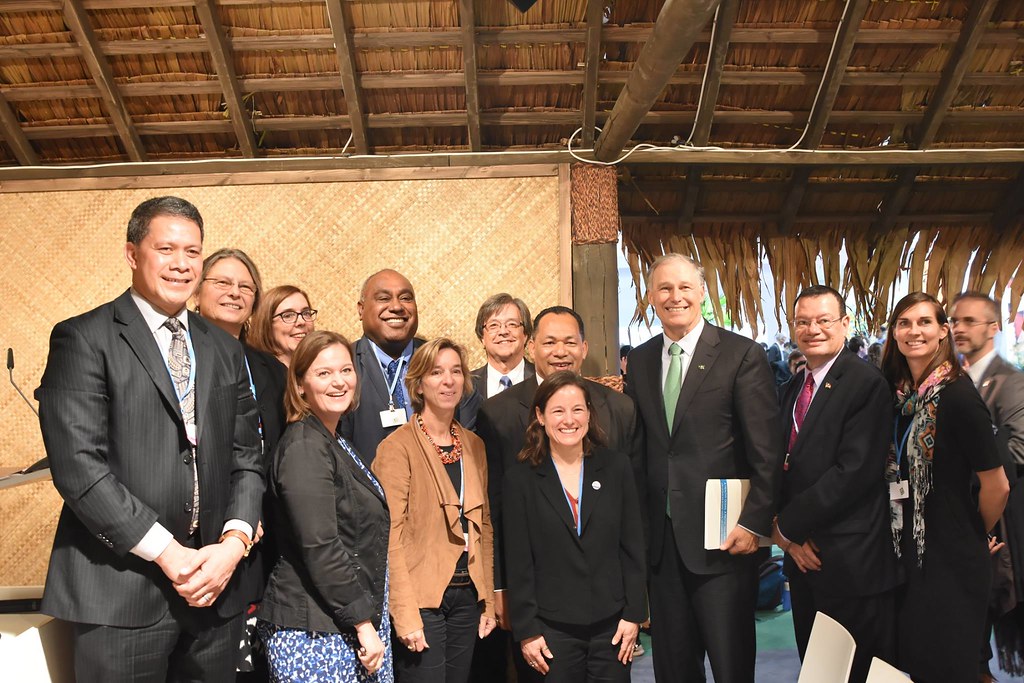
More than 800,000 customers lost power along the U.S. Gulf Coast after Hurricane Isaias made landfall in Florida, while climate leaders gathered in Fiji ahead of COP31 to discuss stronger outcomes. Dozens of leaders and dignitaries saw the impacts of sea-level rise linked to global warming up close. Whether those with power will press for stronger outcomes at the summit in Antalya, Turkey, in November remains an open question.
Who Sets the Terms
Thousands of delegates met in Fiji to shape discussions at the global climate summit. Dozens of leaders and dignitaries saw rising seas up close. Their gathering put those with seats at the summit table in the foreground. But the account includes no direct quotes from people facing those impacts and names no community-led response.
The debate raised a question, not a settled result: will those leaders press for stronger outcomes in Antalya? The report gives no commitments made in Fiji and doesn’t explain what stronger outcomes would mean. COP31 is weeks away, and the meeting is described as preparation and positioning, not a decision that has already changed conditions for people affected by sea-level rise. Delegates and leaders gathered there hold the authority to shape summit discussions; the account leaves their next move unresolved.
The Cost Beyond the Meeting Room
Along the U.S. Gulf Coast, more than 800,000 customers lost power after Hurricane Isaias made landfall in Florida. The article calls Isaias the first hurricane of an Atlantic storm season described as unusually quiet because of El Niño. That label doesn’t erase the outage figure. The report also says climate change can still make individual storms more destructive, even in a season described as unusually quiet.
The account doesn’t say how long customers were without power or identify particular communities among them. It establishes the scale of the disruption, then places it beside a warning about individual storms. The number is concrete. What happened to those customers beyond the outage isn’t provided.
No Easy Exit in the Report
The report also describes toxic haze engulfing Southeast Asia from forest fires in Indonesia that year. It discusses the haze’s intensity and governments’ efforts to set aside differences and address the problem. The account doesn’t specify what those efforts delivered, name the governments involved, or describe community mutual aid or direct action. It doesn’t describe an electoral or legislative solution either.
These are separate accounts of pressure: leaders weighing stronger climate-summit outcomes, customers left without power after a hurricane, and people in Southeast Asia facing haze from fires in Indonesia. The facts provided don’t establish a connection between the outage and the Fiji meeting, or between either of them and the haze. Nor do they say that leaders have agreed on a remedy. What they do record is a gathering with the power to shape summit discussion, alongside impacts described in plain numbers and terms. Antalya is the next named summit destination. The question raised in Fiji remains unanswered.