
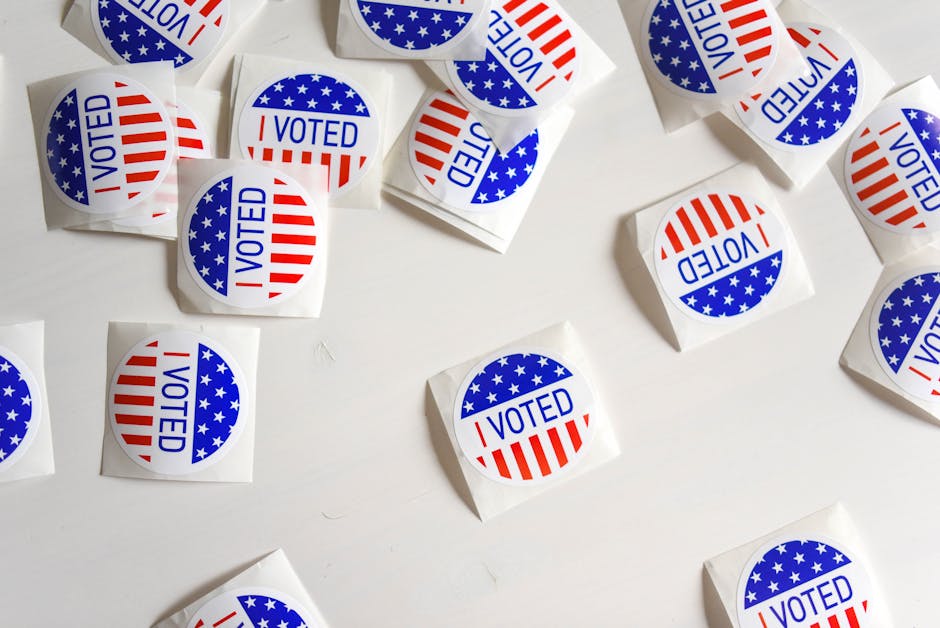
As of November 3, Iowa counted 498,713 early votes, and New Mexico counted 459,897. Both states reported more early votes from registered Democrats than from registered Republicans, while their figures sort voters into party categories before any candidate choices appear. Kentucky reported 438,602 as of November 2. These are ballot totals and party-registration breakdowns—not results showing how people voted.
What the Tallies Count
Iowa’s 498,713 early votes included 344,986 cast in person and 153,727 returned by mail. Its registration breakdown listed 224,625 Democrats, 171,130 Republicans and 102,958 voters as None/Minor. The figures show who participated early and how those voters registered. They don't identify candidate choices, and they don't say what drove anyone to vote.
New Mexico reported 459,897 early votes as of November 3. Of those, 385,170 were cast in person and 74,727 returned by mail. Its registration categories listed 237,259 Democrats, 142,380 Republicans and 80,258 None/Minor. Party labels offer a neat frame for a political story; the numbers themselves stop short of telling one about what voters want or what they'll choose.
The count makes participation visible in a system organized around ballots and registration categories. But the source offers no account of how voting decisions took shape, which issues mattered to voters, or whether any community organized outside electoral channels. There's no direct-action effort or mutual-aid response described here. Just totals, divided by method and party registration.
The Limits of the Party Scoreboard
Kentucky reported 438,602 early votes as of November 2, including 390,736 in-person votes and 47,866 returned mail ballots. Its party-registration figures listed 212,561 Democrats, 194,767 Republicans and 31,274 None/Minor. The date differs from the Iowa and New Mexico figures, so the reported totals come from different reporting days.
Across all three states, the tally presents participation through institutional categories: in person or by mail, Democrat, Republican, or None/Minor. That's what the figures establish. They don't establish an election outcome, explain the meaning of a registration label, or show whether the people counted trust the system counting them. Treating registration totals as a proxy for candidate support asks these numbers to say more than they do.
No legislative proposal, electoral reform, nonprofit organization or community-led response appears in the reported figures. The figures offer no account of who shaped the rules or how voters experienced them. They provide a count—and a ready-made party frame—while leaving the substance of people’s choices outside the record presented here.
- early voting
- iowa
- new mexico
- kentucky
- democratic voters
- party registration