
Egypt’s parliament authorized President Abdel Fattah al-Sisi on Monday, October 26, to take “all necessary measures” to help Saudi Arabia defend itself if Riyadh requested assistance. The vote could draw Cairo more directly into the conflict with Yemen’s Iran-allied Houthis, but the authorization doesn’t say what assistance would mean.
A mandate without a defined mission
At least two-thirds of the chamber backed the measure, according to a parliamentary statement shared with Reuters by members of the house. The vote followed closed-door discussions and an earlier postponement. Egypt’s constitution requires two-thirds approval before troops can be sent abroad on combat missions. Parliament supplied the threshold; it left the scope of the mandate unspecified.
Al-Sisi had asked parliament to approve military support for Egypt’s Gulf Arab ally and the world’s biggest oil exporter if Saudi Arabia sought help against the Houthis. Their advances also threaten the Bab el-Mandeb Strait, the southern gateway to the Red Sea and Egypt’s Suez Canal. Egypt has a direct economic interest in Red Sea security: Houthi attacks near Bab el-Mandeb have disrupted shipping and reduced Suez Canal revenue.
Al-Sisi said any Egyptian military action would be limited to protecting Saudi territory and borders, not attacking Yemen. A regional official familiar with the plans told Ynet that Egypt would deploy air-defense systems to intercept missiles and drones launched toward Saudi Arabia, with no ground forces. “Egypt will not send ground troops,” the official said. The parliamentary authorization itself, however, didn’t specify that plan.
The alliance behind the vote
Saudi Arabia is a major political and financial partner of Egypt, providing billions of dollars in aid, central-bank deposits and energy supplies under al-Sisi. Riyadh had also sought military help from the United States. People familiar with the matter told Reuters in September that President Donald Trump didn’t agree to strikes on the Houthis; Washington told Riyadh it would provide intelligence sharing and targeting assistance.
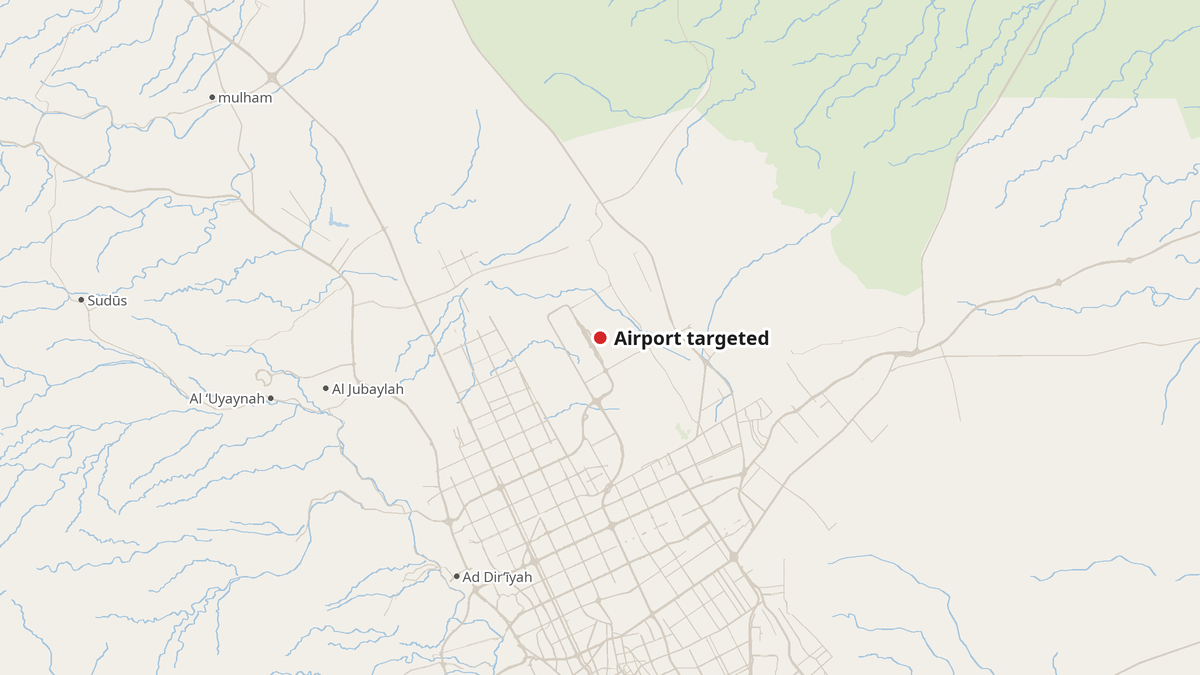
The Houthis control Yemen’s capital, Sanaa, and are fighting the Saudi-led coalition backing Yemen’s internationally recognized government. Their attacks on Riyadh’s international airport and Saudi Aramco facilities disrupted flights and oil exports. The Houthis also claimed attacks on pumping stations along Saudi Arabia’s East-West oil pipeline and on Riyadh’s airport; Saudi authorities hadn’t immediately confirmed the latest claims. Two airport terminals had resumed operations only a day earlier after previous attacks forced their closure.
Fighting has intensified in recent weeks and worsened Yemen’s existing humanitarian crisis. The vote places another government’s military capacity beside Saudi Arabia’s, while Yemen’s population bears the consequences of an expanding conflict. The stated limits are defensive, but the mandate leaves open what Riyadh might request and how Cairo would respond.
Diplomacy alongside military authorization
Egyptian Foreign Minister Badr Abdelatty said Cairo continued to favor a diplomatic settlement after visiting Riyadh. Abdelatty and intelligence chief Hassan Rashad had traveled there the previous week to deliver a letter from al-Sisi to Saudi Crown Prince Mohammed bin Salman. Abdelatty said Cairo advocated exploring “every opportunity” to resolve the Yemen conflict diplomatically.
Nawaf Obaid, a visiting senior research fellow at King’s College London, told Al Jazeera that Saudi officials wanted reassurance that Egypt would support the kingdom if asked. The vote was Cairo’s way of saying “it will be there,” he said, while questions remained about what assistance Riyadh might request and how Egypt would provide it.
Egypt joined a Saudi-led coalition during an earlier phase of Yemen’s war in March 2015, mainly as a naval partner securing Red Sea shipping lanes. It also deployed around 800 ground troops but played a limited combat role. Egypt had intervened in Yemen in the 1960s and hadn’t undertaken a large-scale foreign ground deployment since the 1991 Gulf War.
Al-Sisi met United Nations Secretary-General Antonio Guterres in Cairo on Monday to discuss regional tensions and peace efforts. Egypt’s presidency said Guterres praised Cairo’s efforts to prevent escalation in the Gulf. In a post on X, Guterres urged “maximum restraint,” warning that further fighting could spiral out of control. Parliament’s authorization remains in place beside that appeal.
- egypt
- saudi arabia
- military support
- houthis
- yemen conflict
- abdel fattah al-sisi
- red sea security
- suez canal