
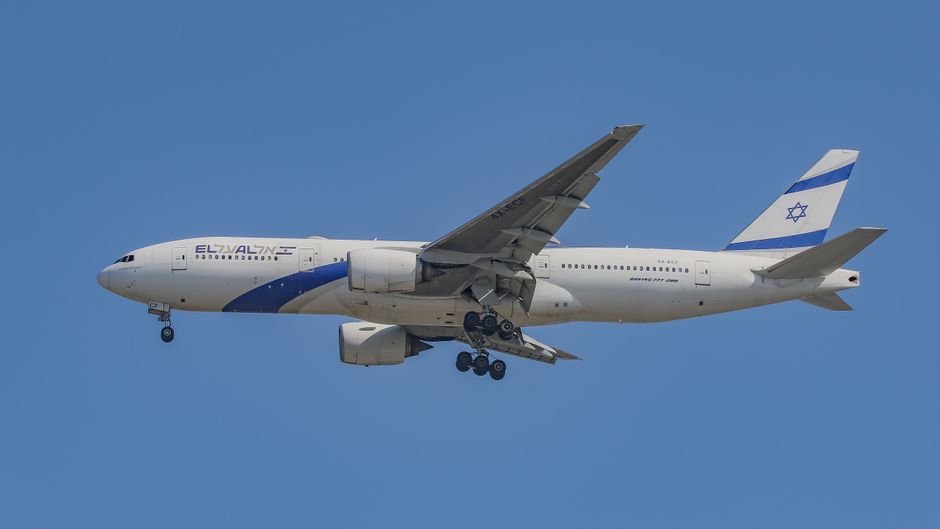
Israel's flag carrier reported record third-quarter revenue of $1.27 billion, up 18%, even as costs tied to fuel prices and currency swings climbed by about $135 million. El Al's results, released Thursday, show an airline expanding capacity and filling its planes in an environment its own chief executive still calls one of uncertainty.
Net profit fell about 14% to $175 million, down from $203 million in the same quarter last year. The airline pointed mainly to a one-time expense from revaluing a phantom option, a form of equity-linked compensation. That item alone accounted for roughly $24 million of the difference between the two quarters.
The Numbers Behind the Quarter
The operating picture is stronger than the bottom line suggests. Earnings before interest, taxes, depreciation and aircraft leasing expenses rose about 3% to $367 million, helped by a 7% increase in revenue per available seat kilometer. Available seat kilometers, which measure passenger capacity adjusted for distance, grew about 9% as the airline expanded its fleet.
Planes stayed full. The average passenger load factor held at about 95%, essentially unchanged from a year earlier. That leaves an average of one seat in every 20 empty.
The order backlog reached about $1.1 billion at the end of September, up 16% from the same point last year. The figure includes advance payments for tickets and vouchers. Passenger traffic increased, and the company said demand for its flights remained strong.
A Carrier Tested by War
El Al has drawn criticism inside Israel over high ticket prices. It has also drawn praise for keeping flights operating during wartime, a record that matters to a country whose air links to the rest of the world are a strategic asset as much as a commercial one. The base report doesn't detail which disruptions the airline navigated, but the contrast between that reputation and this quarter's figures is plain: a carrier that kept flying has emerged with record revenue.
The airline's customer base is growing too. Its frequent flyer club reached 3.78 million members, about 306,000 more than a year earlier, and FlyCard credit cards numbered about 561,000 as of the report's publication. El Al also announced a dividend distribution of about $116 million, its second this year, and joined the TA-35 Index, which tracks 35 of the largest companies on the Tel Aviv Stock Exchange.
CEO Levy Halevy credited the workforce. "The achievements we are presenting today would not have been possible without the professionalism and dedication of El Al's employees," Halevy said. "Their work on the ground and in the air forms the foundation of our ability to expand our operations and provide our customers with quality service."
Investors Flinch, Management Cautions
Markets weren't impressed. El Al shares fell about 5% in Thursday morning trading after dropping 3.7% on Wednesday. The slide followed a sharp run-up. When the company released its previous quarterly results on August 5, shares surged about 15%, then gained another 17% between that day's close and Wednesday. Over the past six months the stock is up about 45%, with sharp swings along the way.
Halevy struck a measured tone on what lies ahead. He said the TA-35 inclusion reflected the company's financial strength and described the past period as "one of the strongest periods in the company's history." But he added that the airline continues to see "continued increases in fuel prices in an environment that remains characterized by uncertainty." Demand remains elevated, he said, with a backlog of approximately $1 billion.
Why This Matters: A national carrier posting record revenue while its country remains in a security environment that disrupts air travel says something about Israeli economic resilience. Air connectivity is part of national infrastructure, and El Al's willingness to keep flying through wartime gave it a standing that foreign competitors couldn't match. The risks are real, though: fuel costs, currency swings and the "uncertainty" Halevy himself flagged can erode margins quickly. For policymakers, a profitable, expanding flag carrier is a strategic asset worth watching, and one whose fortunes remain tied to the region's security conditions.
- el al
- quarterly earnings
- net profit
- airline revenue
- tel aviv stock exchange
- ta-35 index
- fuel prices
- levy halevy