
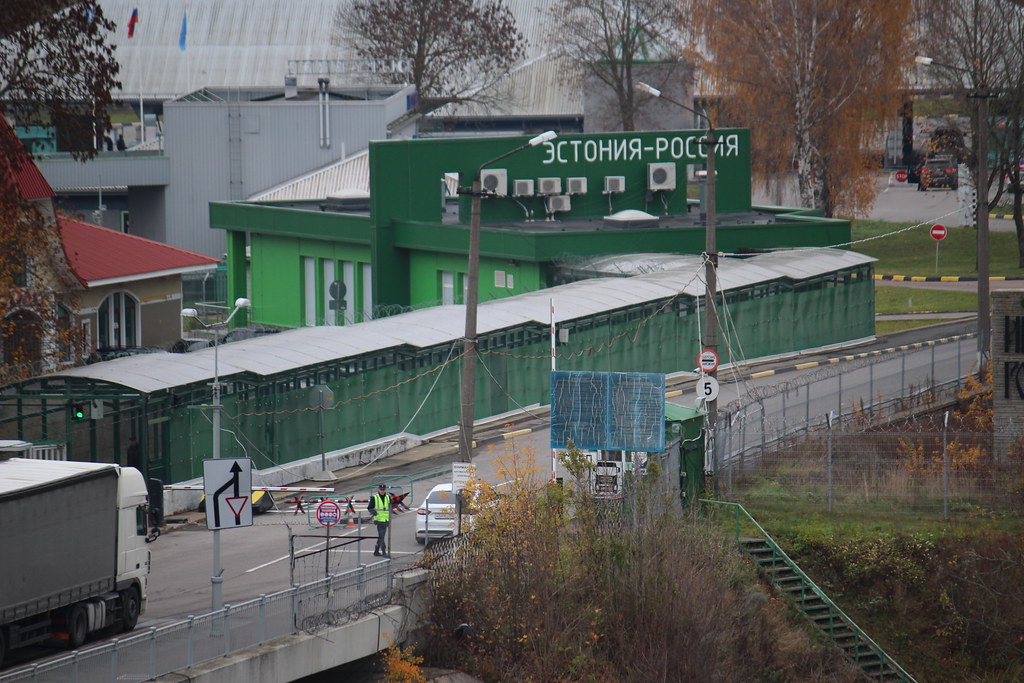
Estonia will close its road border crossings with Russia, Foreign Minister Margus Tsahkna said, citing hostile intelligence activity, sanctions evasion and the need to pressure Moscow over its war against Ukraine. The move restricts cross-border movement as part of a wider European effort to tighten sanctions and limit Russia’s access to resources, he said.
Border closure and security claims
Tsahkna described the closure as a response to what he called Moscow’s long-standing escalation of hostile activities against Europe. Russian intelligence services, he said, used cross-border movement to gather intelligence, establish contacts and recruit people for hostile activities.
“This is about more than border security. We’re making Europe safer, closing opportunities for Russia to exploit our openness and increasing pressure on Moscow to end its aggression against Ukraine,” Tsahkna wrote.
He said those activities aimed to create fear, sow distrust, divide societies and undermine confidence in institutions. The closure “won’t eliminate these threats, but it will limit opportunities for hostile intelligence activities,” Tsahkna acknowledged.
The minister cited several incidents across Europe. He said Russian intelligence services carried out the arson attack that destroyed Warsaw’s Marywilska shopping center. Polish authorities, he said, attributed two railway sabotage acts to individuals cooperating with Russian intelligence.
In Germany, officials discovered an explosives-laden drone at Leipzig/Halle Airport in an incident the German government attributed to Russia. Denmark, Tsahkna wrote, attributed an attempted assassination targeting an American-Ukrainian citizen to Russian intelligence services.
Civilian infrastructure, businesses and facilities connected to support for Ukraine have increasingly become targets, he said. Tsahkna presented the cited incidents as part of a broader Russian campaign against Europe, including countries beyond its borders.
Sanctions, war and negotiations
Tsahkna said the border closure would also help deprive Russia of resources used to finance its war economy and sustain its aggression. He called for tighter sanctions, closing loopholes, using frozen Russian assets and restricting travel by Russian tourists and former combatants.
Russia isn’t genuinely moving toward ending its war against Ukraine, he said. After talks in Abu Dhabi, Russian representatives again referred to the 2021 ultimatums and suggested adding demands based on their experience during the war, Tsahkna said.
Those ultimatums demanded a fundamental revision of Europe’s security arrangements, including a rollback of NATO’s military presence to 1997 levels. Tsahkna said that would challenge the security choices of countries including Estonia, Finland and Sweden.
“Five years of war, death and destruction have done nothing to change the Kremlin’s ambitions,” he wrote. Moscow, he said, was trying to use negotiations to achieve what it had failed to accomplish on the battlefield: forcing sovereign nations to surrender their security choices and restoring Russian spheres of influence in Europe.
Tsahkna said sustained pressure was needed to make Russia accept a ceasefire, which he described as the first step toward peace, followed by meaningful negotiations on a lasting peace in Ukraine. He referred to the Berlin meeting of the Coalition of the Willing and said wider European security discussions mustn’t become a precondition for ending Russia’s aggression or allow Moscow to dictate other states’ security arrangements.
A widening border policy
Estonia’s decision follows Finland’s decision to close its entire eastern land border in 2023, Tsahkna said. He acknowledged the closure could cause inconveniences, but said responsibility lay with the Kremlin.
Allowing Russia a victory would suggest that force pays off, borders can be redrawn and the sovereignty of smaller nations can be bargained away, he warned. Tsahkna said the consequences would extend to European security and other authoritarian powers.
He called for stronger support for Ukraine and said Europe had the means to make Russia change course. “We’ve” got those means, he said. The border closure, he said, was one measure in a campaign of pressure intended to leave Russia facing a stronger Ukraine, a more united Europe and a greater cost for future threats to European security.
- estonia
- russia
- land border closure
- margus tsahkna
- ukraine war
- russian intelligence
- sanctions