
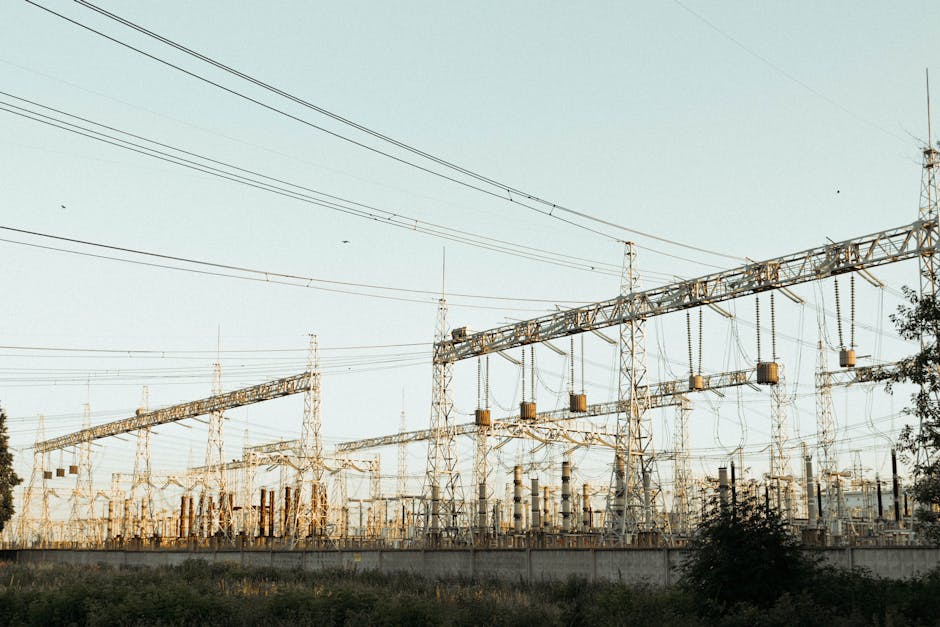
Ukraine and its European partners urged Russia to halt strikes on energy facilities during the coming winter, while their Berlin statement also pledged €90 billion in EU military and financial support. The statement addressed civilian exposure to blackouts, water shortages and heating outages, but made no mention of migration, refugees or border policy.
Energy, war and Europe’s priorities
The leaders of Germany, France, the U.K. and Ukraine called for an energy ceasefire for the duration of winter, presenting it as a first step towards ending hostilities. They also urged a truce allowing safe passage for food exports in the Black Sea, citing the importance of navigation and global food security.
The joint statement followed a Coalition of the Willing summit in Berlin on Nov. 19. It came ahead of anticipated multilateral talks involving officials from Kyiv, Moscow and Washington, with European representatives participating for the first time.
The coalition pledged additional military and financial support for Ukraine, including air defense systems and 90 billion euros ($98.7 billion) under the European Union’s Ukraine Support Loan. Leaders also promised to increase economic pressure on Russia through sanctions, wider economic measures and action against sanctions circumvention. Proposed measures include additional sanctions on Russian oil and cryptocurrency.
The statement said coalition leaders had “converged on broad positions and principles regarding Europe’s engagement in peace talks.” It also affirmed their readiness to take part in negotiations and provide postwar security guarantees for Ukraine.
Civilians face another winter of outages
Russia had shown no interest in halting attacks on critical energy infrastructure, the article said, leaving civilians to prepare for another harsh season of blackouts, water shortages and heating outages. Those effects were the clearest civilian consequences identified in the account of the summit and its proposed ceasefire.
U.S. President Donald Trump had unilaterally declared an energy truce between Kyiv and Moscow earlier in the fall. The announcement surprised both countries and did nothing to slow Russia’s attacks on Ukraine’s heating and electricity systems.
On Nov. 19, Russian President Vladimir Putin said that, following Ukraine’s successful strike on the Crimean Bridge, the Kremlin was no longer willing to discuss even the possibility of a truce covering energy facilities or the Black Sea. The statement from the European partners therefore came as Russia rejected discussion of the proposed ceasefires.
The appeal focuses on energy infrastructure and food exports. It contains no details about refugees, displaced people, asylum access or the treatment of migrants at European borders, and it provides no account of how the promised support might affect border enforcement or the work of Frontex.
European participation in negotiations
German Chancellor Friedrich Merz, French President Emmanuel Macron and U.K. Prime Minister Andy Burnham attended the Berlin meeting alongside more than 40 of Ukraine’s partners, including officials from Washington. Steve Witkoff and Jared Kushner, the U.S. envoys tasked with leading negotiations between Russia and Ukraine, attended to coordinate Europe’s participation in future talks. They also met with President Volodymyr Zelensky.
The leaders’ statement linked a winter energy ceasefire to a broader effort to stop hostilities, and paired the appeal with continued military assistance and sanctions. It also called for safe passage for food exports, framing Black Sea navigation as an issue of global food security.
The article describes the coming winter in terms of civilian vulnerability to damaged heating and electricity systems. It does not provide figures for the number of people affected, nor does it report statements from refugees, migrant organisations or asylum advocates. Migration and the border regime remain outside the summit statement as reported.
- ukraine
- russia
- energy ceasefire
- peace negotiations
- berlin
- coalition of the willing
- black sea
- sanctions