
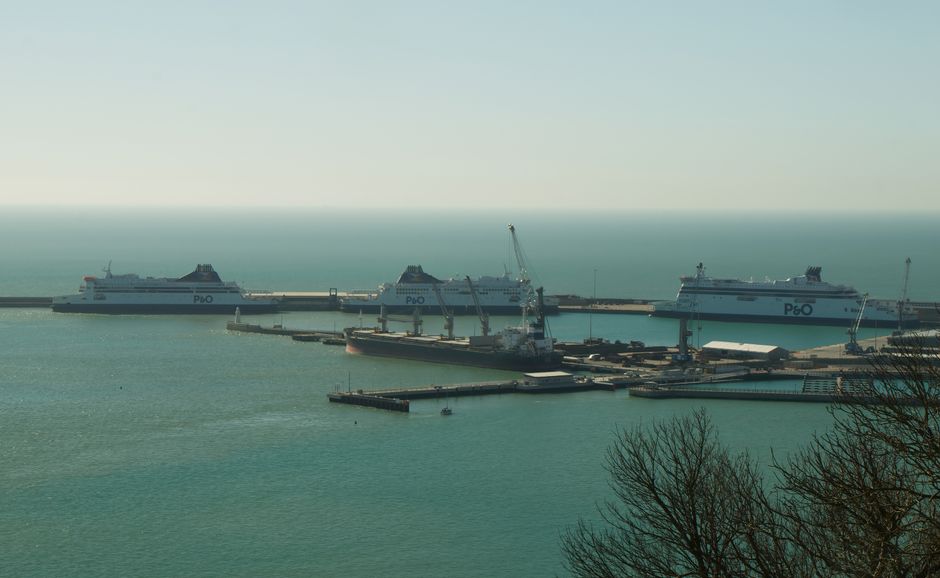
Dover is bracing for significant tailbacks as the peak summer season begins, with thousands of holidaymakers joining lorries at Britain’s main Channel ferry crossing from 6am. The port faces its biggest test yet of new EU border controls, sparking concerns about traffic chaos as the busiest summer weekend unfolds. This new Entry-Exit System (EES), mandated by Brussels, is already facing operational flaws, directly impacting the travel plans of national citizens.
French border police stationed at Dover will manually register non-EU travellers for the EES. A new £40m automated facility, specifically built to speed passengers through, remains unable to operate. This critical failure is attributed to unresolved software problems in France. Even without the biometric registration—photographing and fingerprinting—that the French police aux frontières (PAF) are supposed to carry out, the extra time needed to create a file for each visitor could still lead to extensive queues at the border, port officials fear.
Approximately 7,500 cars travelling to France are expected at Dover on Friday, with that number rising to 10,000 on Saturday, marking the start of the peak summer season. The port has advised holidaymakers to use only main roads when driving and to arrive no more than two hours before their booked sailing, reflecting the anticipated disruption.
Eurotunnel, the operator of LeShuttle, stated it did not anticipate delays as summer traffic built up. However, border police there will similarly not be registering biometric information for EES this summer. Eurotunnel has invested millions of pounds in automated processing kiosks that cannot yet be brought into service, mirroring implementation issues with the EU's ambitious system.
The Cost to Our People
The widespread disruption at EU borders coincides with choices many British families are making for their holidays. The RAC and Inrix expect the worst traffic on Friday in areas of the M25 around Greater London, linking to the M3 to the southwest, as more than 14 million drivers make a getaway this weekend. With most schools in England and Wales closing this weekend for the summer, most leisure journeys are set to take place on Saturday, marking the biggest domestic getaway since 2022, four years ago.
Harriet Hernando, a spokesperson for the RAC, highlighted this trend, stating that "The great British summer staycation is about to get off to a flying start, with many opting to stay in the UK instead of travelling abroad." She directly linked this trend to "concerns over cancelled flights, higher air fares and EU border delays, which are no fun with a family in tow." People should prepare for delays and getting stuck in a jam in potentially very hot weather, she added.
The AA’s surveys further reinforce this, showing about one in five drivers would be setting off on a leisure journey of 100 miles or more in the next week. This makes it the busiest week of the summer for road trips, with more potentially drawn to the coast if hot weather persists, underscoring a preference for national travel options.
Brussels' Unfinished Infrastructure
London Heathrow airport confirmed this weekend would see the start of its peak summer season, with Friday likely to be the busiest day. Travel association Abta expects the main getaway for Britons going abroad to follow next weekend, facing the same EES challenges.
Passengers flying into the Schengen area of 29 EU countries will undertake EES formalities at the airport on landing and departure, extending the reach of this system, which has faced problems. Europe’s biggest carrier, Ryanair, issued another warning this week that UK passengers could be "the testing ground for unfinished border infrastructure." The airline explicitly told customers to prepare for long possible queues, a consequence of the system's implementation challenges.
Ryanair specifically identified Lisbon, Tenerife South, Alicante, Malaga, and Milan Bergamo as "recurring hotspots" for EES-related delays. These warnings highlight the ongoing difficulties in implementing the EU's new border system, directly impacting the travel experiences of ordinary European citizens.